
Talks between The Government, Trade Unions and an independent group are to continue today in order to find a resolution to this ongoing public sector pay dispute.
This comes after the Government had made what it has described as a "substantially improved" pay offer, which is reportedly set to see pay increases of 10.5%, as part of an agreement which would run until the early months of 2029.
This would be along similar lines of an 11% rise when the increases are compounded over the duration of this agreement. It would also include a bigger package and increases for lower paid public sector workers, with some seeing pay benefit increases of up to 17.8%.
It has been reported in RTÉ that this offer would include a payment of €1,200 or 2%, whichever is higher in 2026, which would bring pay increases for this year to 4% for public servants.
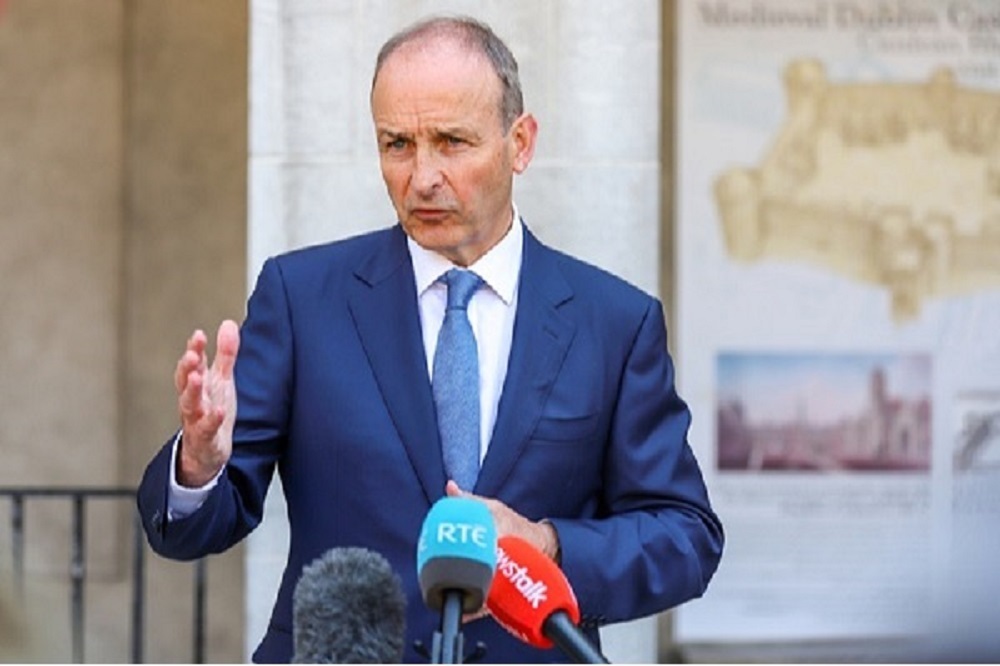
In a statement to media, Taoiseach Michael Martin said: "The Government has made a substantially improved offer on previous offers, and in our view, the nature of that is to make an agreement very possible.
He added: "But obviously, that's a matter that others have to consider".
Tánaiste Simon Harris was also quoted as saying that he believed "the position is now significantly improved", and that it is up to "everybody to try and find a landing zone here and resolve this issue".
The Irish Independent reported that the Trade Unions will have to decide whether to "take it or leave it" with regards to this offer in the next 48 hours.
Union sources have said they remain concerned about the duration of this proposed new deal, and they will be seeking a greater pay uplift if this ends up being a three year agreement. Unions are also concerned that details of this deal regarding overall costings and when it comes to non pay elements of any agreement.
This comes after a previous proposal of pay increases of 7.75% over two and half years were rejected by the unions, having said they were looking better for a better deal than the previous public sector pay agreement, which was worth 10.25% over two and a half years. It expired at the end of June.
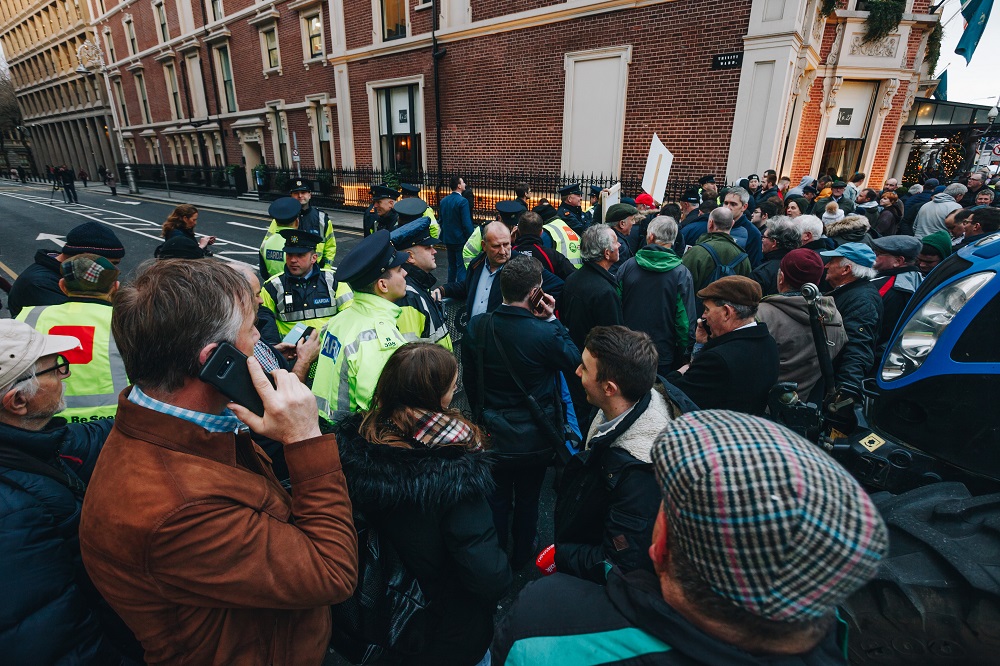
This also comes ahead of the planned 24 hour union strikes on Thursday, where workers will be encouraged to march in rallies rather than stage pickets outside their places of work.
Overall, there is set to be eight demonstrations across the country from 12pm to 2pm, with the largest taking place in Dublin. Other rallies are set to take place in Cork, Limerick, Waterford, Galway, Tullamore, Sligo and Letterkenny. The marches are to coincide with a major meeting of world leaders in Dublin as part of Ireland's EU Presidency.
These protests are set to see extensive road closures and traffic restrictions in place due to the European summit.
Unions have said that they will also intensify the work-to-rule action, and are already looking into other forms of industrial action, including rolling strikes in individual sectors of the public sector.
In the days around the EU Presidency meeting, a rank and file garda work to rule action is planned, amid a dispute over working conditions, which is also set to cover the informal EU Council meeting on Friday.