

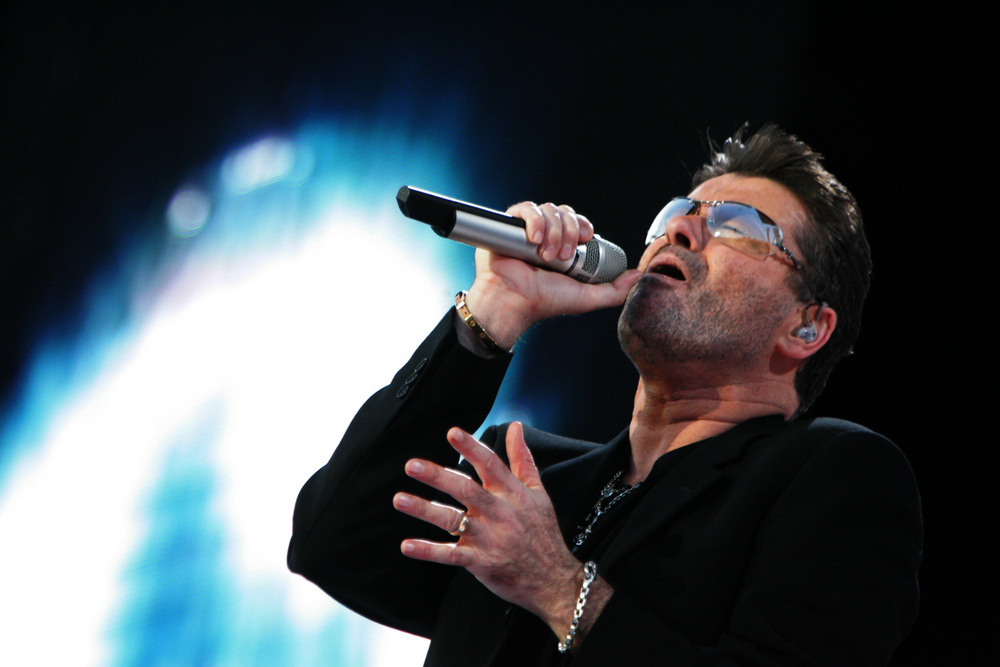
George Michael was one of those rare artists whose talent was so abundant it bordered on intimidating. Handsome, sharp, devastatingly charismatic, and blessed with a voice that could switch from velvet smooth to stadium-shaking power in a heartbeat, the complete pop package. And yet, because he made it all look effortless, he was chronically underestimated.
People who didn’t look beyond the surface treated him like a pretty face with a radio-ready vocal. Meanwhile, he was quietly writing hits at a level most pop stars couldn’t dream of. George didn’t just sing the songs, he crafted them, shaped them, obsessed over them. He understood melody, timing, hooks, emotional resonance. He knew what would lodge in someone’s head for days after a single listen.
Which is why, when he expressed awe at somebody else’s pop craftsmanship, you paid attention.
The song that stopped him in his tracks? The Human League’s 1982 titan Don’t You Want Me.
Long before he became the architect of Faith, Father Figure or Jesus to a Child, George was a teenager absorbing every influence he could find, Bowie, Aretha, Joy Division, the whole kaleidoscope. But it was pop that captured his imagination. Pop that told him he could make a life out of this. Pop that led him and Andrew Ridgeley to form Wham!, even as critics dismissed them as photogenic fluff.
But that early dismissal didn’t blind George. He was listening closely, studying structure, instinctively recognising when someone else had hit the bullseye.
And when he heard Don’t You Want Me for the first time, something snapped into place.
“This was when we were still at school,” he told Mark Goodier in 2010. “I remember being in awe of the perfection of it, the commercial perfection of it. It could not fail.”
He called it “symmetrical and poppy.” He recognised instantly that the song was engineered for chart domination. Not hollow, not cheap, just brilliantly assembled. “Maybe it was a bit cheesy,” he admitted, “but it was still a cool record.”
The Human League hadn’t yet cracked America at that point. By the time the synth shimmer of Don’t You Want Me hit MTV, it became the anthem that launched the so-called Second British Invasion. A seismic cultural moment, perfectly timed. George felt it before anyone else.
He heard the precision. The structure. The inevitability.
He knew that kind of lightning could strike, and he knew he had the same spark within himself.
It’s almost poetic: a pop genius identifying another’s masterpiece, filing it away as proof of what the genre could achieve. And the best part? Even after all that praise, George admitted Don’t You Want Me wasn’t even his favourite Human League track.
He just recognised perfection when he heard it.