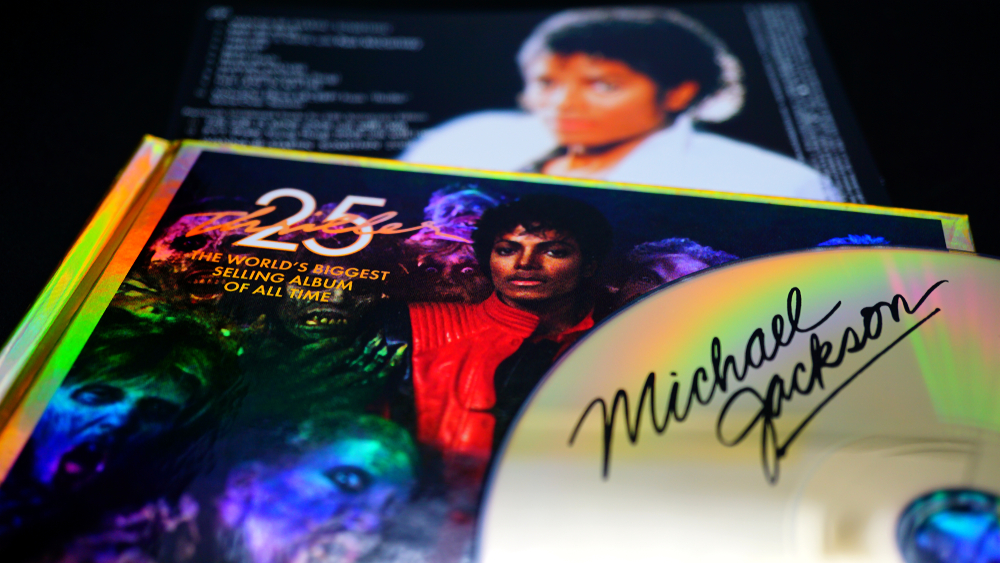

In the early ’80s, music videos weren’t yet an art form, they were a novelty. Then Michael Jackson turned them into cinema, and everyone else, as Boy George now admits, was left scrambling to keep up.
The Culture Club frontman reflected on how that shift hit artists like him in real time. “It was such a new phenomenon,” he said. “People got very excitable and they wanted to chuck everything and the kitchen sink into [each] video.” What began as a fun promotional add-on became an arms race of spectacle, ambition, and excess.
But the real inflection point, George insists, came when Jackson dropped his boundary-breaking visuals, Billie Jean, Beat It, and of course, Thriller. “Once Michael Jackson started making his videos, we all felt inferior,” he admitted. That wasn’t false modesty; it was cultural reality. Jackson’s short-film approach, complete with narrative, choreography, and Hollywood polish, elevated the medium overnight. Suddenly, no one could afford to be static on a soundstage again.
Culture Club responded the only way they could: escalation. Later videos like Miss Me Blind and Karma Chameleon grew ever more lavish, colour-soaked, and theatrical, the band’s own bid to merge art, fashion, and pop mystique. Yet for George, something essential got lost amid all the choreography and camera cranes. “So videos were great in that respect,” he said, especially for breaking into America through MTV. “But I always thought the songs are more important than the video… there was a point where it felt like the video became more important than the song. That was frustrating from a creative point of view.”
There’s a weary honesty in that reflection. The rise of the video era gave Culture Club global reach, and stripped some of their intimacy. It’s the paradox of pop in motion: the bigger the picture got, the smaller the music seemed to feel. Jackson may have changed the game forever, but for artists like Boy George, that game came with a cost, one measured not in budgets, but in balance.