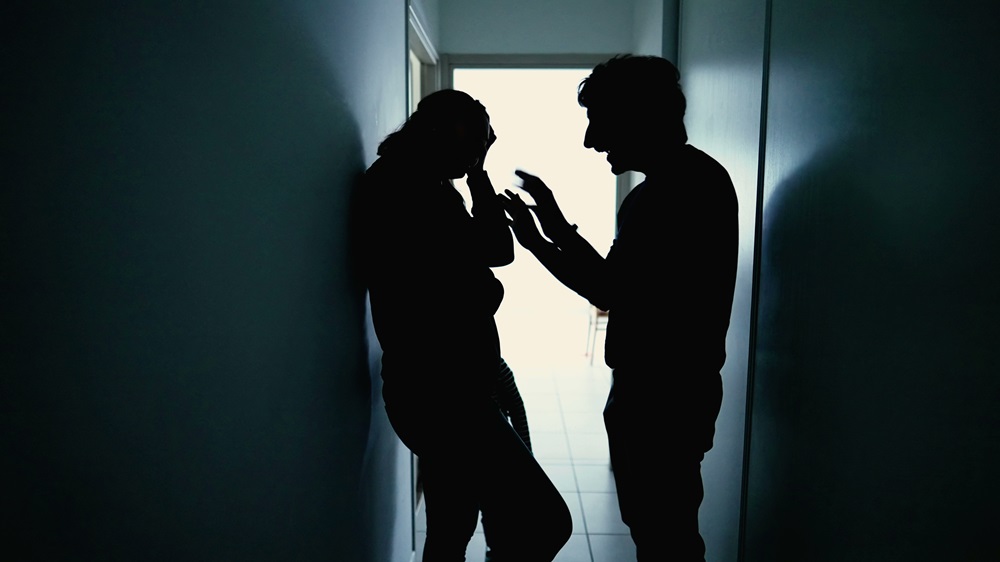

A woman was killed every ten minutes last year by their partner or family member, according to a new UN report highlighting the lack of progress in tackling femicide.
Violence against women and girls remains one of the most frequent and widespread human rights violations in the world. As Today marks International Day for the Elimination of Violence against Women, awareness is being raised around the issue of violence against women.
What is abuse? How do I know if I am experiencing it? According to Women's Aid Ireland, "if a partner or an ex makes you feel scared, controlled or intimidated, you may be experiencing domestic abuse. There are many different forms of abuse. It can be physical, and leave visible marks, or it can be emotional, and have impacts that can’t be seen by other people. All types of abuse are damaging, and nobody deserves to be treated in that way".
So, what does this day advocate for?
Around 50,000 women and girls were murdered by someone close to them in 2024, making up 60% of all female homicide victims.
The report warns that the home remains the most dangerous place for women and girls, with no region free from femicide. UN Women said these killings often follow patterns of escalating abuse, including controlling behaviour, threats, harassment and online abuse. New technologies have worsened forms of violence such as non-consensual image sharing, doxing and deepfake videos.
Violence against women is a particularly prevalent issue in Ireland. Women's Aid Ireland is an online service that provides vital information to help women recognise signs of abuse. The service has a section that shares ten common warning signs of domestic abuse. These ten instances are there to help you make sense of your situation - "Complains that you spend too much time with friends and family, coerces you to do things sexually that you don’t want to do, sends you constant texts and get mad if you don’t respond right away" - are some of the listed examples. It is important to be aware that you should not be experiencing one, or all of these, to indicate domestic abuse.
An article by the BBC, written on June 18th 2024, headline' read "Reports of domestic abuse made to Women's Aid in the Republic of Ireland reached a record high in 2023". Women's Aid revealed that they had seen an 18% increase in disclosures of domestic abuse to it compared to the previous year - the most it had received in its fifty-year history. It found "physical violence reports were up by 74% and economic abuse had risen by 87%".
The charity said there had been an 18% increase in disclosures of domestic abuse to it compared to the previous year.
This was the most it had received in its 50 year history.
Among the "40,048 disclosures of abuse about women and children, it found physical violence reports were up by 74% and economic abuse had risen by 87%".
According to data collected by Women's Aid, there were "1,879 disclosures of sexual abuse against women, and 82 against children, made to the Women’s Aid services in 2024, including 307 disclosures of rape against women".
Additionally, a striking:
Today, we remember the women who have lost their lives to violence, and think of the women who are currently facing it behind closed doors. You are not alone, you and your voice is valued. Too many women are having their lives taken away from them, we need to make a change now.
Women's Aid helpline: National Freephone Helpline / 24 hours a day, 7 days a week:
1800 341 900