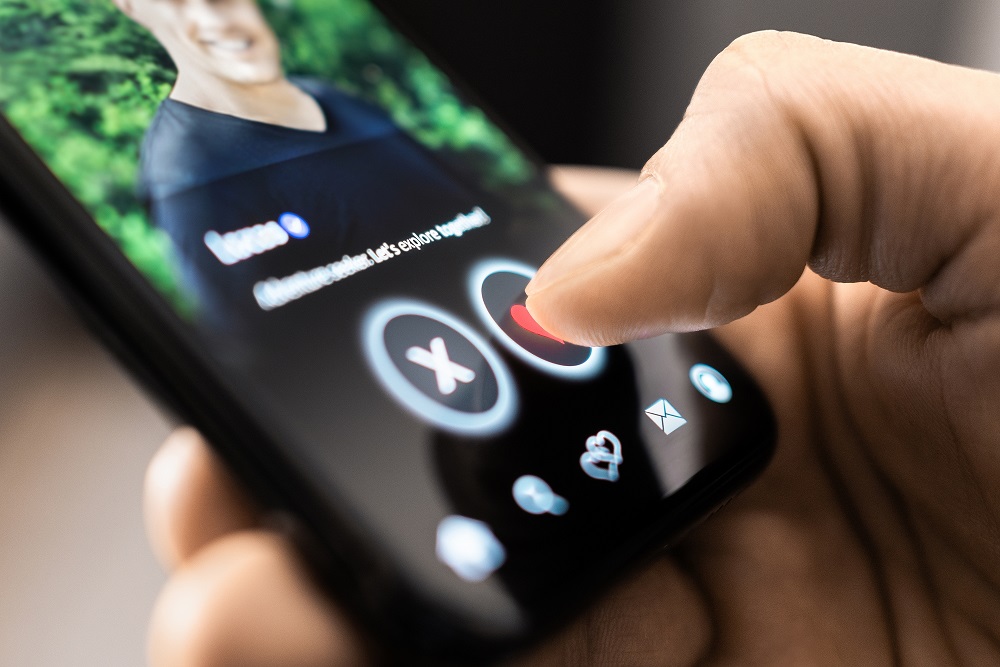

The study titled "Our Kids' Exposure to Unhealthy Food Marketing Online" was released to Safefood's website today (24th Feb), they found that adolescents spend more time viewing influencer food marketing posts than traditional advertisements.
Safefood's analysed 38 adolescents aged 13–17 years and found that participants were "exposed to an average of 15–19 clear-cut unhealthy food marketing posts per hour of social media use," which is approximately one advertisement every four minutes.
It recorded that adolescents using social media for two hours a day are exposed to an estimated "10,950 unhealthy food marketing posts per year". Those using social media for approximately 4.5 hours per day are estimated to be exposed to over 30,000 posts per year.
The interviews carried out in this report found that children frequently responded to digital food marketing with "enjoyment and appetite", while their parents were mostly unaware of the "volume and nature of marketing their children encountered".
Safefood found that influencer marketing generated a higher engagement with adolescents spending an average of 15 seconds viewing influencer food marketing posts, this is compared to the three seconds for paid-for advertisements. It has been reported that adolescents engage witth 44% of influencer posts.
Safefood Chief Executive Joanne Uí Chrualaoich told RTE that the study "shows for the first time on the island of Ireland the volume of unhealthy food marketing children see online. These findings are concerning, as this daily influence is undermining efforts to foster healthy eating habits and poses a serious threat to children's long-term health."
The research found that many young people struggle to differentiate advertising from general social media content. According to Safefood, young people often do not interpret it as "commercial persuasion" and that this challenge is particularly evident in "influencer and native-marketing formats, where advertising is seamlessly integrated into everyday content, blurring the boundaries between entertainment and commercial intent".
Director of Nutrition at Safefood Aileen McGloin spoke about the study in relation to influencer marketing, she said: "Children don't identify this as marketing but rather see it as engaging or fun content from someone that they trust. This is a clear example that the child's interests and interactions online drives the amount of this unhealthy content that they are exposed to."
The study was conducted by the Open University with the University of Galway, the University of Liverpool, University College Dublin, Ulster University, and Deakin University in Australia. The research states that similar research has been conducted in Australia, Canada, and Mexico and they all produced similar results.
You can read the full study here.