Fuel Price Protests: O’Callaghan Warns Defence Forces May Be Deployed As Blockades Continue
Minister for Justice Jim O’Callaghan has warned that the Defence Forces may be deployed to assist An Garda Síochána as fuel price protests continue to disrupt key infrastructure across the country, with his stark statement placing clear pressure on demonstrators to stand down.
In a strongly worded update this morning, O’Callaghan confirmed that formal steps have already been taken to bring in military support if required. He said: “It is well established in law that the Defence Forces may assist An Garda Síochána in aid to the civil power, when requested and when required.”
He added that a formal request mechanism is already in motion, noting that gardaí can issue a C70 form to call in assistance when necessary.
However, it was his warning to protesters that marked the most serious escalation yet. “The blocking of critical national infrastructure will not be permitted to continue and the assistance of the Defence Forces has been requested,” he said.
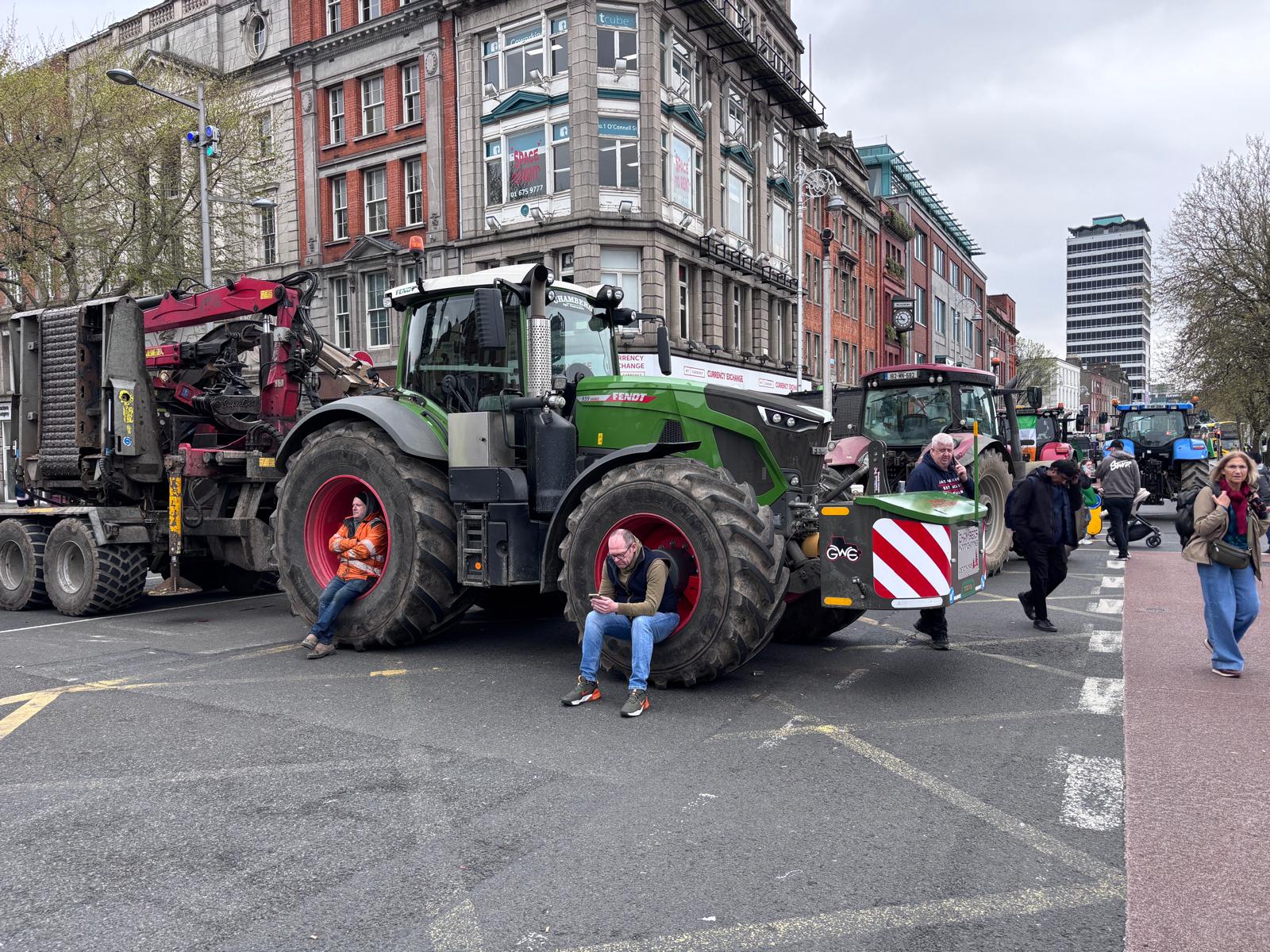
The minister made it clear that action will be taken to physically remove vehicles causing disruption, adding: “Large vehicles blocking critical infrastructure will be removed. Owners of those vehicles should remove them immediately this morning and should not complain later about any damage caused to those vehicles during removal.”
He also framed the protests as going beyond disruption, stating: “Denying people access to fuel and clean water is an unacceptable interference in the most basic of human rights.”
The comments signal a significant shift in tone from Government, and suggest that protesters could soon face direct intervention not just from gardaí, but potentially from the military in support roles. While the Defence Forces would not take on policing powers, their involvement typically includes logistical support such as moving heavy vehicles or assisting in clearing blockades — meaning those occupying roads and fuel depots risk having their vehicles forcibly removed.
View this post on Instagram
Across the country, disruption continues to intensify.
Protesters have blocked major routes including the M1, M8 and M9, with severe delays reported and access routes to Dublin Airport impacted.
In Co Limerick, a blockade at the Foynes fuel depot — a key national energy hub capable of storing 82,000 cubic metres of fuel — remains in place, raising concerns about potential nationwide supply issues if it continues.
Despite the Government’s warnings, some demonstrators have indicated they will not back down. Speaking on RTÉ’s Morning Ireland, Kildare farmer John Dallon said: “The protest will not be called off.” He criticised the Government’s response as “total disrespect to the people of the island of Ireland” and “absolutely disgraceful”, insisting that protesters are exercising their right to peaceful demonstration.
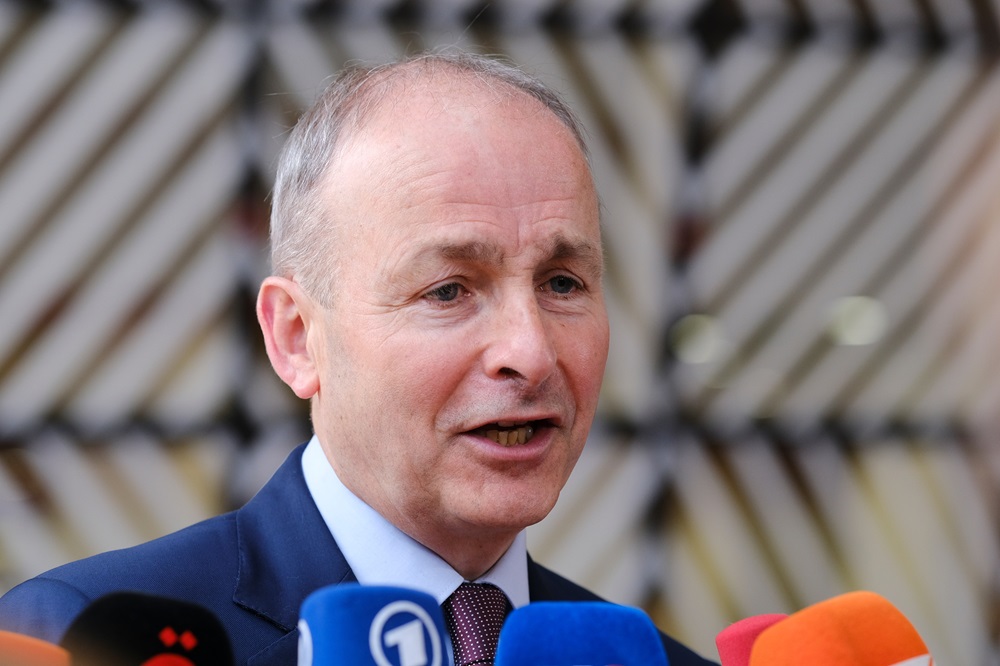
Meanwhile, Taoiseach Micheál Martin has also criticised the tactics being used, saying the blocking of roads and infrastructure is “not a fair form of protest” and warning that key parts of the economy are being “paralysed”.
For protesters on the ground, O’Callaghan’s intervention raises the stakes considerably.
Those continuing to block roads or infrastructure now face the possibility of enforced removal, damage to vehicles during clearance operations, and further legal consequences — with the clear message from Government that the current level of disruption will not be tolerated much longer.
View this post on Instagram