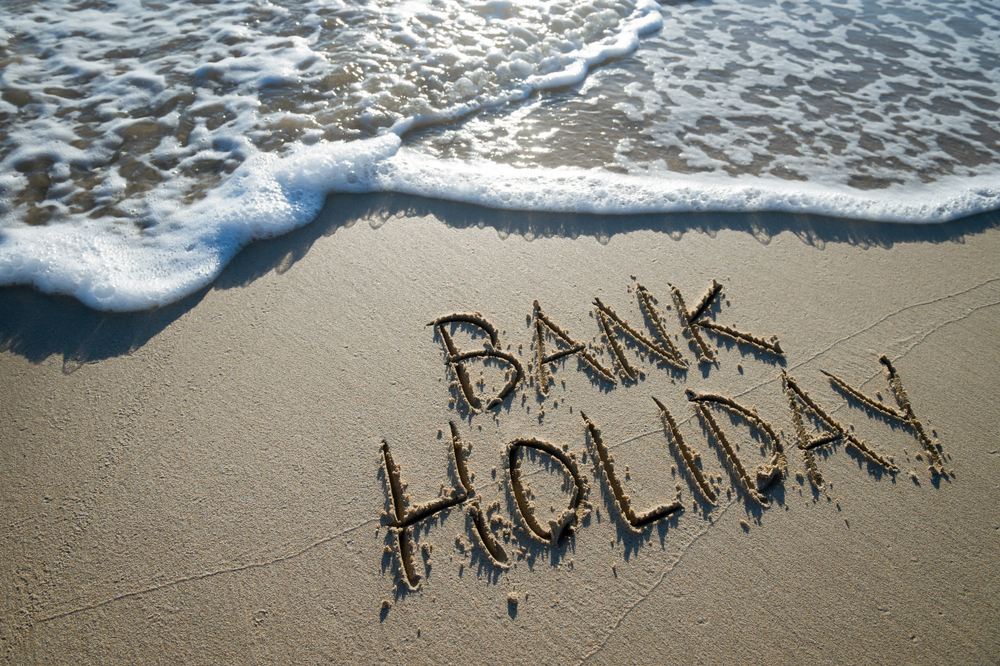

A new analysis of birth statistics has suggested a striking seasonal pattern in when babies are born, with data pointing to a noticeable spike in births around February each year that appears to link back to activity over the Bank Holiday period falling around the very end of May and beginning of June.
According to the most recent figures from the Office for National Statistics in the UK, a total of 1,880 babies were born on 23 February 2024, a date which falls exactly 270 days after the Spring Bank Holiday on 29 May 2023.
That number is significantly higher than the typical daily average of around 1,625 births, suggesting a measurable deviation from the norm that researchers say is unlikely to be random.
The timing has drawn attention because it aligns closely with a pattern seen across multiple years, where births appear to cluster roughly nine months after periods of extended time off.
The June Bank Holiday, often associated with improved weather, lighter evenings, and increased social activity, is thought to contribute to conditions where couples spend more time together, potentially influencing conception rates.
Further supporting the trend, data shows that seven of the top 10 most common birthdays fall in September, a period which corresponds to conceptions around the Christmas and New Year holiday season.
This reinforces the idea that public holidays and extended breaks may play a subtle but consistent role in shaping national birth patterns, with seasonal lifestyle changes influencing behaviour on a large scale.
The remaining top 10 birth dates are also not evenly distributed throughout the year, with two additional high-frequency dates falling in early to mid-May. These dates are again positioned roughly nine months after the previous summer period, suggesting another conception peak linked to holiday time and warmer months when social calendars tend to be more active.
While the data does not prove cause and effect, analysts suggest the consistency of the pattern points to more than coincidence.
The theory is relatively straightforward: during bank holidays and long weekends, people are more likely to be off work, travelling, socialising, or spending uninterrupted time at home, all of which may increase opportunities for intimacy compared with standard working weeks.
Experts reviewing the figures have suggested that the Spring Bank Holiday in particular may act as a seasonal trigger point, sitting at a transition between spring and summer when routines become more relaxed and daylight hours extend.
This combination of factors, they argue, can influence lifestyle patterns in ways that are reflected later in national birth statistics.
In 2026, Ireland will have 10 official bank holidays, beginning with New Year’s Day on Thursday, 1 January, and continuing through key dates such as St Brigid’s Day on Monday, 2 February, Saint Patrick’s Day on Tuesday, 17 March, and Easter Monday on 6 April.
The calendar continues with May Day on 4 May, followed by the June Bank Holiday on 1 June, the August Bank Holiday on 3 August, and the October Bank Holiday on 26 October, before the year concludes with Christmas Day on 25 December and St Stephen’s Day on 26 December.
These dates are significant not just for time off work, but also for how they structure rest, travel, and social life across the year.
Under Irish employment guidelines, full-time and most part-time workers are entitled to paid leave on public holidays.
If a holiday falls on a non-working day, employees are still entitled to compensation in the form of an additional day of annual leave or a day’s pay, ensuring the benefit of the holiday is preserved regardless of work schedule.
This contributes to the widespread impact of these dates on daily life, particularly during peak periods of travel and social activity.