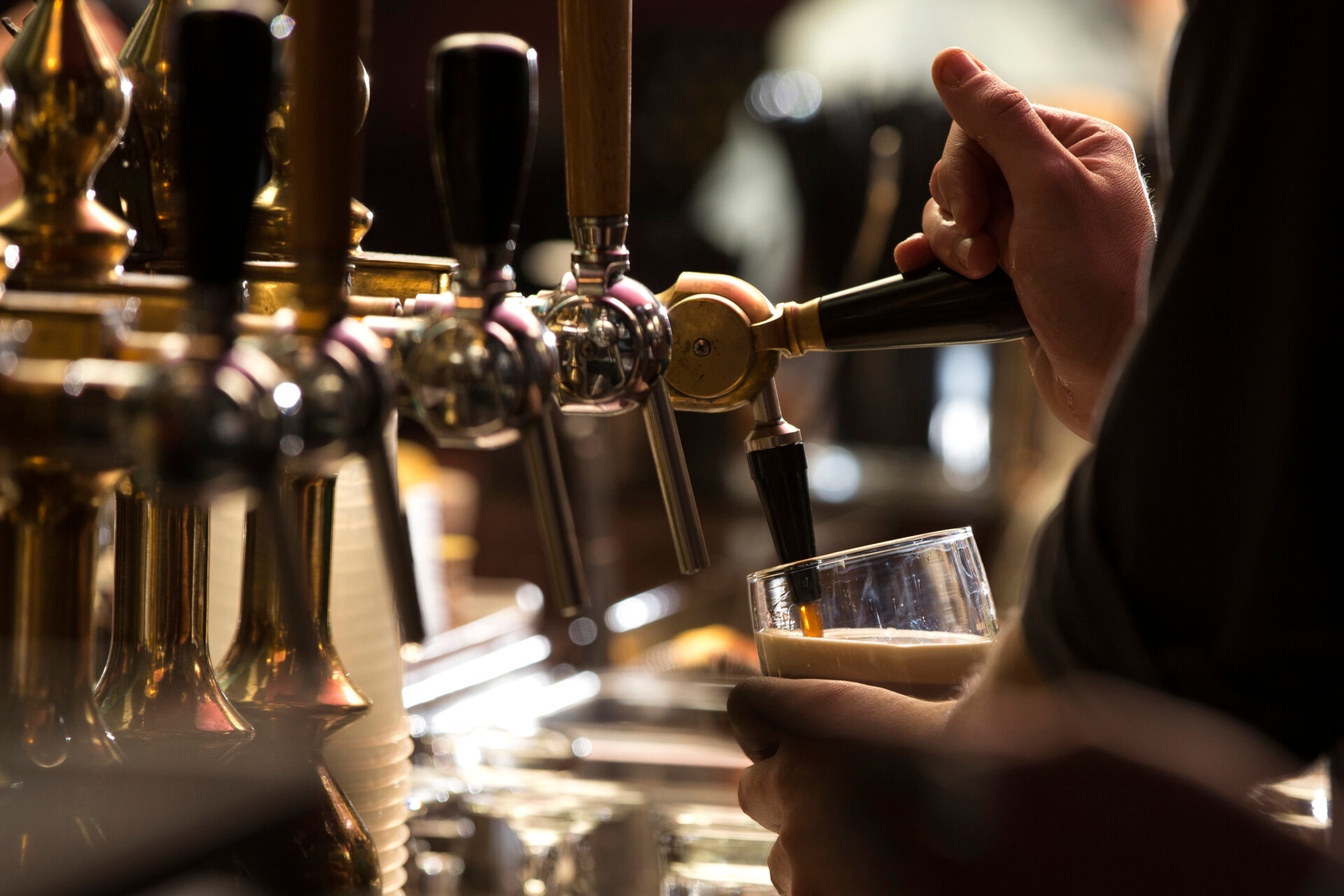

Over 2,100 pubs have shut their doors in Ireland since 2005. That’s nearly a quarter (24.6%) of all the country’s pubs gone in less than two decades and a new report suggests the situation could get even worse.
The latest research from the Drinks Industry Group of Ireland (DIGI), compiled by economist and DCU Associate Professor Emeritus Anthony Foley, paints a stark picture: the number of pub licenses has dropped from 8,617 in 2005 to just 6,498 in 2024. That’s an average of 112 pubs closing every year.
And the pace is picking up. Between 2019 and 2024 alone, the annual closure rate jumped to 128. Looking ahead, Foley warns that without serious intervention, we could see up to 1,000 more pubs shut down in the next ten years.
Unsurprisingly, it’s rural counties that have been hit hardest. Limerick, Offaly, Roscommon, Tipperary, Laois, Longford, and Mayo all saw more than 30% of their pubs disappear over the 19-year period. Limerick tops the list, with 37% of its pubs closing since 2005, dropping from 478 pubs to just 300.
By contrast, Dublin’s pub scene has remained relatively stable, with only a 1.7% decline in the same period. Other commuter belt counties like Meath (-9.5%) and Wicklow (-10.8%) also fared better than most, but nearly every other county recorded a drop of at least 13%.
So, what’s behind the closures?
DIGI says the cost of doing business is the main factor, particularly for small, family-run operations in rural communities. Between rising overheads, changing consumer habits, and ongoing challenges like reduced tourism and economic uncertainty (including US trade tariffs), many pubs are simply no longer viable.
Professor Foley put it bluntly: “In the absence of government intervention, we are likely to see a further 600 to 1,000 pubs close over the coming decade.”
DIGI is now calling on the government to cut excise duty in the upcoming Budget, pointing out that Irish alcohol consumption has now fallen in line with the European average. “There’s no justification for keeping excise rates among the highest in the EU,” said DIGI secretary Donall O’Keeffe. “If something isn’t done, many villages and small towns will lose their last remaining pub, taking with it a vital part of local life.”