
Research suggests that even short bursts of festive overindulgence can trigger measurable changes inside the body, though experts stress these effects are usually temporary and reversible once normal routines resume.
Scientists examining the impact of modest weight gain linked to richer diets over several weeks have found it can place additional strain on the heart, disrupt the immune system, and temporarily alter the balance of bacteria in the gut. These changes are not unique to Christmas, but the festive period often draws attention because of its concentration of high-calorie meals, alcohol, and reduced activity.
Studies estimate the average adult in Britain consumes around 6,000 calories on Christmas Day alone, more than double the recommended daily intake for men and almost three times that advised for women. Similar eating patterns are common across Ireland during the holiday period, particularly between Christmas Eve and New Year’s Day.
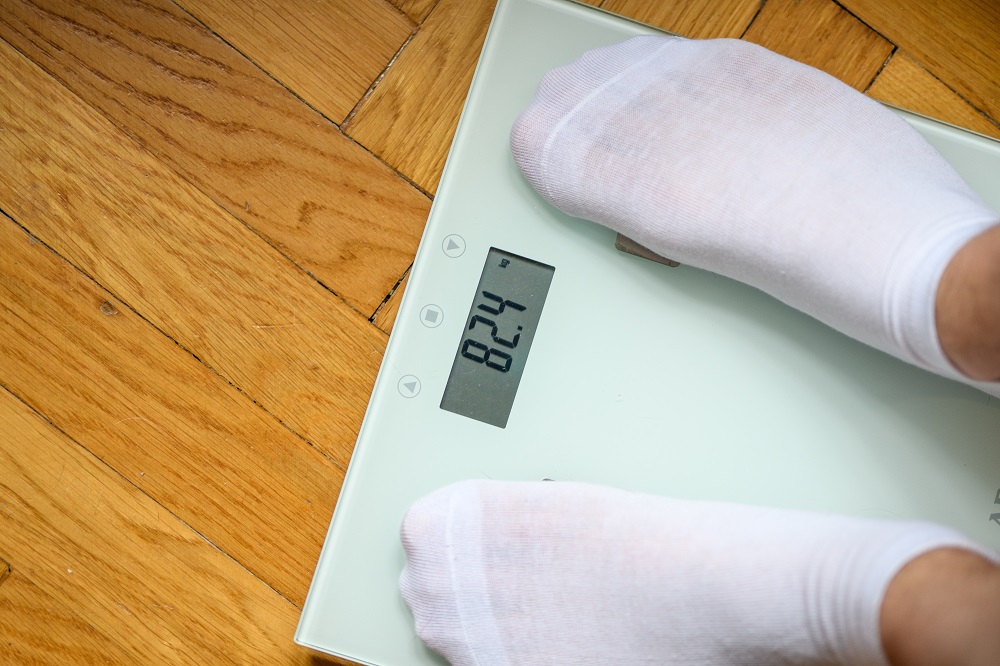
Despite widespread anxiety around festive weight gain, surprisingly few high-quality studies have examined how much weight people actually gain over Christmas. Those that do exist report mixed findings, with most showing only small average increases, often between half a kilo and one kilo.
Experts emphasise that short-term indulgence is unlikely to lead to significant or permanent weight gain. Much of the increase seen on the scales in the days after Christmas is typically due to water retention, the body storing extra carbohydrates as glycogen, and simply having more food in the digestive system — rather than rapid fat gain.
As eating patterns and activity levels return to normal in January, this temporary weight generally drops away without the need for drastic measures. Health professionals consistently warn against crash dieting or extreme restriction after Christmas, noting these approaches can be harmful both physically and mentally.
Crucially, experts also highlight that food-related guilt, restrictive dieting, and pressure to “compensate” for festive eating can contribute to disordered eating behaviours. For some people, particularly those with a history of eating disorders, the messaging around Christmas weight gain can be triggering.
In Ireland, support is available for anyone struggling with food, weight, or body image concerns. Bodywhys – The Eating Disorders Association of Ireland offers confidential support via its helpline (1890 200 444), email, and online chat, as well as support groups nationwide. The organisation provides resources for individuals, families, and carers.
People can also speak to their GP, who can refer them to appropriate HSE eating disorder services. The HSE National Clinical Programme for Eating Disorders provides specialist care for adolescents and adults, while urgent mental health support is available through Samaritans Ireland on 116 123, 24 hours a day.
Experts stress that Christmas is a short period in the year, and health is shaped by long-term patterns rather than a few days of celebration. Compassion, balance, and support — not punishment — remain key to both physical and mental wellbeing.