
Nearly two decades after its release, The Devil Wears Prada remains one of the most influential and instantly recognisable films of the 21st century — and its cultural grip shows no sign of loosening. With the trailer now surging back into viral territory across TikTok, Instagram and X, the film is once again being rediscovered by a new generation who see it not as a dated rom-com, but as a blueprint for modern fashion storytelling.
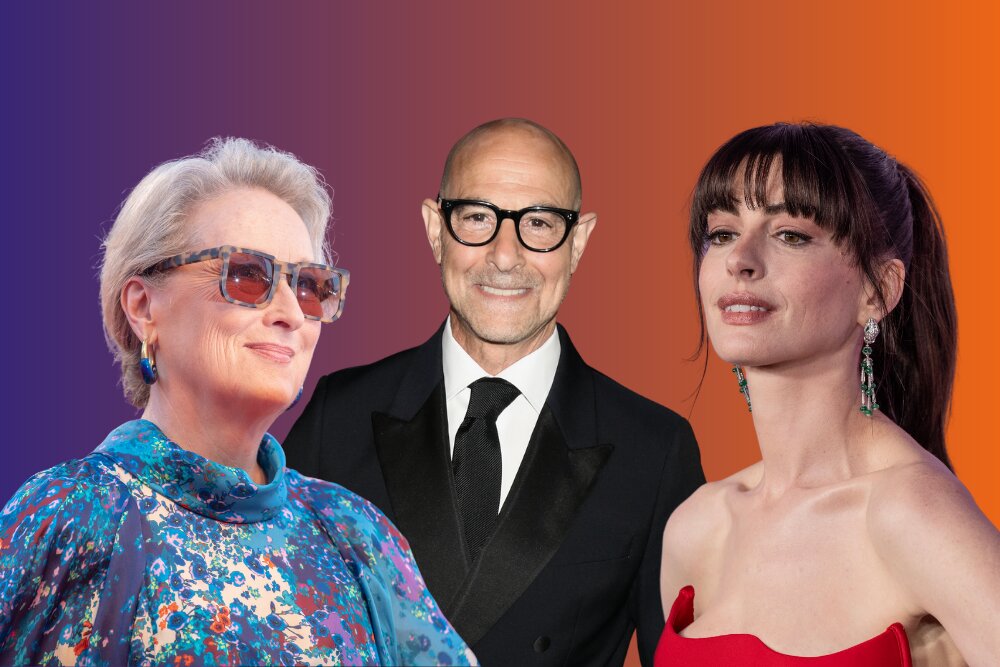
Released in 2006, The Devil Wears Prada arrived at a time when fashion films were either niche, glossy fantasies or outright parodies. What made it different was its accessibility. The film didn’t ask audiences to already care about haute couture — it taught them why they should. Through the wide-eyed perspective of Andy Sachs, played by Anne Hathaway, viewers were guided into a world that felt intimidating, elitist and thrilling in equal measure. Fashion wasn’t treated as background decoration; it was the engine of the story.
At the centre of it all was Miranda Priestly, Meryl Streep’s now-legendary editor-in-chief, widely understood to be inspired by real-life fashion powerhouses. Her performance redefined how authority, femininity and leadership could be portrayed on screen. Cold, brilliant and devastatingly precise, Miranda became instantly iconic — quoted endlessly, referenced across pop culture and studied as a character long after the credits rolled. The film’s fashion credibility was further cemented by the involvement of Patricia Field, whose styling elevated the wardrobe beyond costume into cultural artefact.
@freeform
groundbreaking
What truly set The Devil Wears Prada apart from other films of its era was its refusal to soften the industry it portrayed. The fashion world was glamorous, yes, but also punishing, exclusionary and uncompromising. Long before conversations about toxic workplaces became mainstream, the film showed ambition colliding with personal values — particularly for women — in a way that felt sharp rather than sentimental. Audiences had to sit with that discomfort.
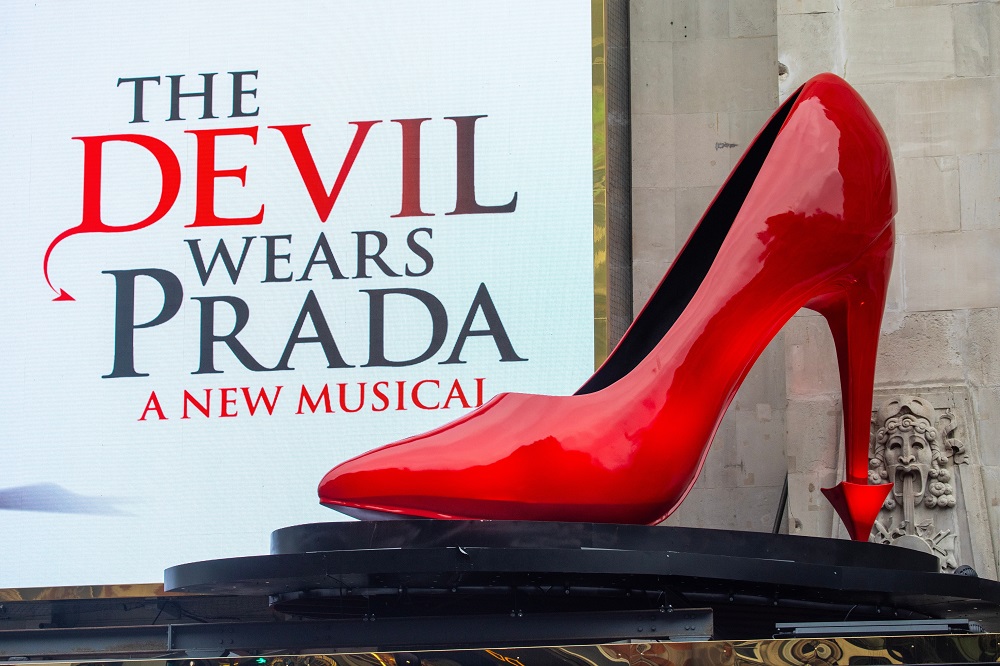
Its influence is major. The film helped bring luxury fashion into everyday conversation, demystifying designers, trends and editorial power structures for a global audience. Phrases like “cerulean blue” became shorthand for how fashion trickles down into daily life, while the movie itself shaped how later films and TV shows approached style-led storytelling. From Gossip Girl to Emily in Paris, its DNA is everywhere.
The recent resurgence of the trailer speaks to the film’s longevity. In an era obsessed with archival fashion, quiet luxury and workplace aesthetics, The Devil Wears Prada feels contemporary. Clips circulate not just as nostalgia, but as commentary. Younger viewers aren’t just watching it; they’re analysing it, quoting it, and dressing like it.
Few films manage to both define their moment and transcend it. The Devil Wears Prada did both — and nearly 20 years on, it still feels untouchable.