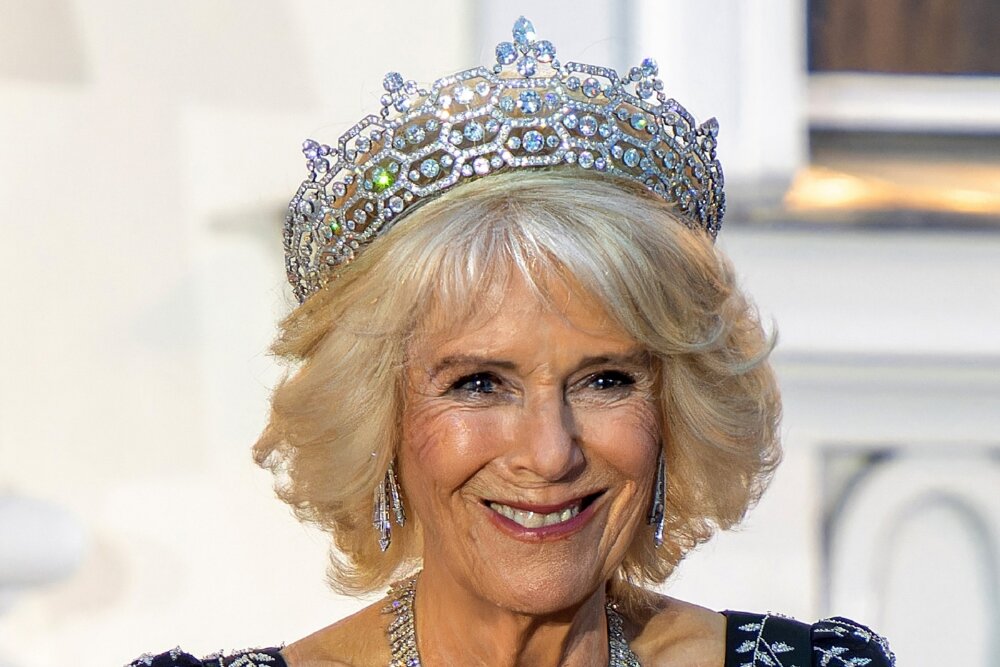

Queen Camilla has become the first royal woman to be admitted as a member of the elite Garrick Club after it finally agreed to allow female members following 193 years as a men-only institution.
Her Majesty’s name was proposed and accepted at a meeting yesterday – after she quietly attended in person.
It marks a significant moment not just for the club, but symbolically for one of the most exclusive and traditionally male-dominated spaces in British public life.
The Garrick Club, based in London’s West End, was founded in 1831 and has long been associated with Britain’s cultural and political elite, counting actors, writers, judges and senior public figures among its members.
Named after the celebrated 18th-century actor David Garrick, the club has historically operated as a closed network of influence – one that, until very recently, excluded women entirely.
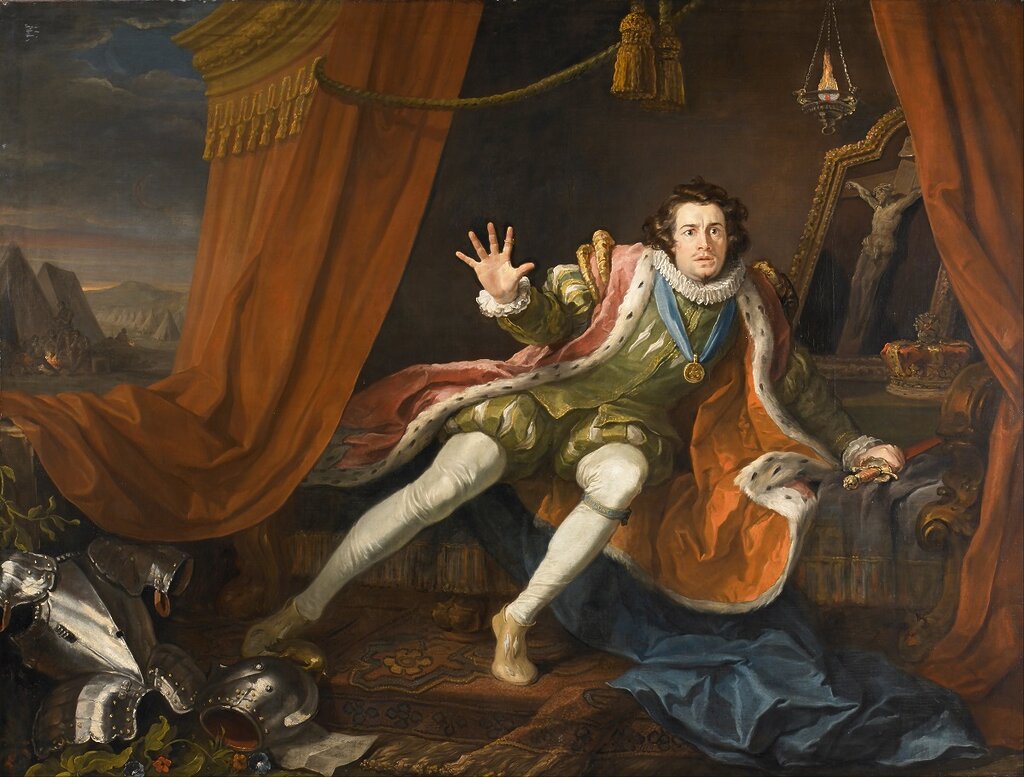
Shakespeare's Richard III Act V, Sc. 3. David Garrick in 1745 as Richard III
That policy had come under increasing scrutiny in modern times, with critics arguing it was out of step with contemporary values around equality and access.
Pressure intensified in recent years, particularly after details of its membership became public, prompting backlash and even resignations from prominent figures, including former MI6 chief Sir Richard Moore.
Previous attempts to change the rules had failed, but in 2024, members finally voted to admit women, with nearly 60 per cent in favour – ending one of the most high-profile gender exclusions in British society.
Against that backdrop, Queen Camilla’s acceptance carries added weight.
As the wife of King Charles III, Camilla has spent years reshaping her public image after decades of controversy linked to her relationship with the then-Prince Charles during his marriage to Princess Diana.
Their affair, which became public in the 1990s, significantly damaged public perception of both figures at the time, with Diana remaining a hugely popular and sympathetic figure in the eyes of many.
In the years since, Camilla has gradually taken on a more prominent and accepted role within the Royal Family, particularly following her marriage to Charles in 2005 and her later title as Queen Consort, now Queen.
She has focused heavily on charitable work, particularly around literacy and domestic violence, helping to soften earlier public criticism and establish her own identity within the monarchy.
Her reported admission to the Garrick Club – having secured the required proposer, seconder and 30 supporting signatures – reflects both her current standing within elite British circles and the club’s attempt to modernise its image.
Her membership is expected to be formally confirmed in April, marking a historic shift for an institution that, until very recently, remained firmly rooted in a male-only past.