
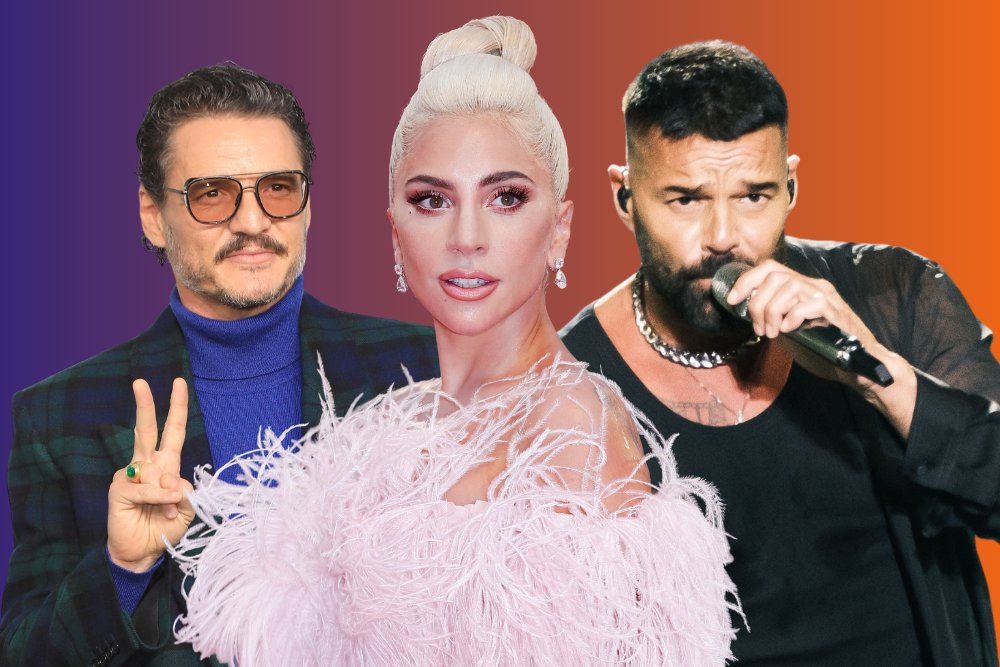
Bad Bunny turned Super Bowl 2026 into one of the most openly political halftime shows in the event’s history, delivering a high-impact performance that blended pop spectacle, celebrity power and pointed protest aimed squarely at Donald Trump. Joined on stage by Lady Gaga, Ricky Martin and Pedro Pascal, the Puerto Rican superstar used the world’s biggest sporting platform to send a series of unmistakable messages about identity, culture and power in modern America.
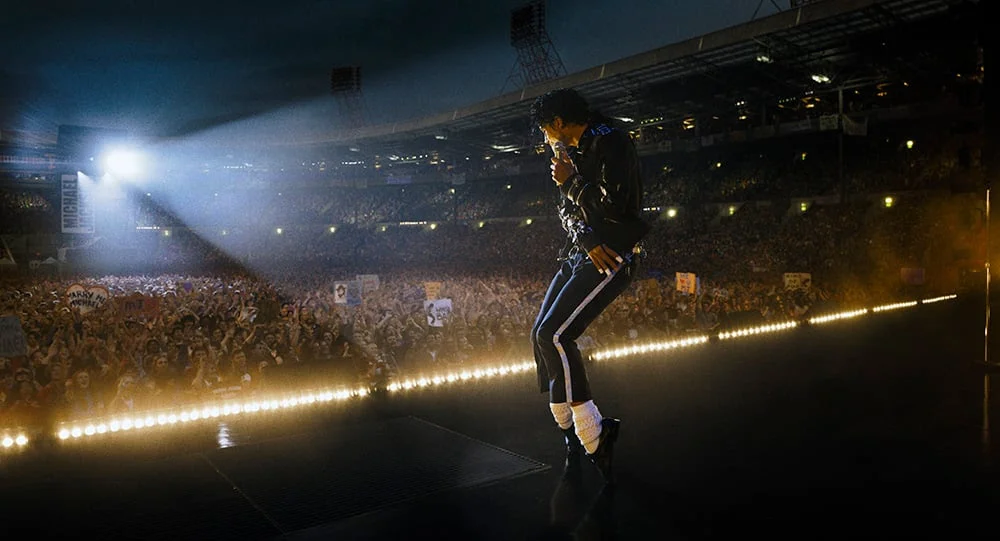
The halftime show at Levi’s Stadium in Santa Clara, California unfolded less like a conventional pop concert and more like a statement of intent. From the opening moments, it was clear that Bad Bunny, real name Benito Antonio Martínez Ocasio, was not interested in playing it safe. Backed by a massive live band, dancers and cinematic visuals, he moved through a setlist that fused reggaeton, trap and pop while spotlighting Latin voices at every turn.
The biggest reaction came when Lady Gaga emerged midway through the performance, dressed in a stark red ensemble that immediately set social media alight. Her appearance marked a dramatic tonal shift, as the pair leaned into darker visuals and sharper choreography.
@entertainmenttonight Bad Bunny had to 𝐛𝐞 𝐧𝐞𝐱𝐭 to his GRAMMYs bestie, Lady Gaga, as she brought a spiced up version of “Die With a Smile” to his Super Bowl halftime show. 💙💃 #badbunny #ladygaga #superbowl #superbowllx ♬ original sound - Entertainment Tonight
Moments later, Ricky Martin joined them, drawing one of the loudest cheers of the night as three generations of global pop collided on the same stage.
@entertainmenttonight Ricky Martin was 𝗹𝗶𝘃𝗶𝗻’ 𝗹𝗮 𝘃𝗶𝗱𝗮 𝗹𝗼𝗰𝗮 backstage before and after his surprise appearance in Bad Bunny’s Super Bowl LX halftime show. 🤩 #badbunny #rickymartin #superbowl #superbowllx ♬ original sound - Entertainment Tonight
Actor Pedro Pascal, a vocal supporter of immigrant and LGBTQ+ rights, appeared during a spoken interlude, lending his presence to what many viewers interpreted as the emotional core of the performance. Though his role was brief, it added weight to the show’s political undercurrent, reinforcing themes of solidarity and resistance that ran throughout the set.
@entertainmenttonight From Pedro Pascal to Karol G, all of the celebs wanted to be in Bad Bunny's casita for his Super Bowl halftime performance! 📸 #badbunny #superbowl #pedropascal #superbowllx ♬ original sound - Entertainment Tonight
While the NFL officially billed the halftime show as a celebration of music and culture, the political undertones were impossible to ignore. Visuals referencing borders, surveillance and language were woven into the staging, while snippets of Spanish-language vocals were deliberately left unsubtitled, a choice widely seen as a rejection of assimilationist expectations. For a league that has often shied away from controversy, the moment felt calculated.
Reaction from Donald Trump was swift and furious. The former president described Bad Bunny playing the Super Bowl as “a slap in the face of america,” before going further, branding the performance “absolutely terrible” and “the worst ever.” His comments, which circulated rapidly online, only amplified the political significance of the show and reinforced claims that the NFL knew exactly what it was doing with its artist selection.
For supporters of Bad Bunny, Trump’s response merely confirmed what they already believed. The decision to book the Puerto Rican artist, alongside Green Day for the opening ceremony, was seen as a deliberate move by the league to align itself with a younger, more progressive audience. In that context, the backlash was not an unintended consequence but part of the statement itself.
Throughout his career, Bad Bunny has consistently used his platform to challenge political norms. He has spoken openly about colonialism, police violence and gender identity, often refusing to dilute his message for mainstream audiences. That ethos carried through to Super Bowl night, where subtle gestures carried outsized meaning. The presence of Ricky Martin, who publicly came out as gay in 2010, and Lady Gaga, long celebrated for her advocacy of LGBTQ+ rights, reinforced a sense of unity among artists frequently targeted by conservative rhetoric.
@msnow “Before I say thanks to God, I’m going to say ‘ICE out.’” Bad Bunny condemns ICE while accepting the Grammy award for Best Música Urbana Album. The artist is set to perform at the Super Bowl halftime show next Sunday. #badbunny #grammys #politics ♬ original sound - MS NOW
Unlike previous politically charged halftime shows, there were no explicit speeches or slogans. Instead, the protest was delivered through symbolism, casting and language. That restraint arguably made the message more powerful, allowing viewers to draw their own conclusions while leaving little doubt about where the performers stood.
The wider context of the night only added to the impact. With Green Day opting for a relatively restrained opening ceremony performance after making sharper political remarks earlier in the week, the halftime show became the focal point for cultural tension surrounding Super Bowl 2026.
@greenday
Our full Super Bowl LX Opening Ceremony performance is live ! 🤘🏻 Relive every insane moment from start to finish on youtube.com/greenday
Celebrity reaction was immediate. Several high-profile figures praised the performance as historic, while critics accused the NFL of alienating sections of its audience. Yet ratings suggested that the gamble paid off, with the halftime show driving massive engagement across social platforms and dominating global headlines long after the final whistle.
For an Irish audience watching from afar, the spectacle highlighted how deeply entwined American sport and politics have become. The Super Bowl has always reflected the cultural moment, but 2026 marked a clear escalation. This was not a subtle nod or a fleeting controversy. It was a full-scale cultural statement delivered in front of one of the largest television audiences on the planet.
Whether hailed as brave or condemned as divisive, Bad Bunny’s halftime show will be remembered as a defining moment in Super Bowl history. By delivering powerful messages, such as 'THE ONLY THING MORE POWERFUL THAN HATE IS LOVE', he transformed a musical performance into a political statement viewed by hundreds of millions. Trump’s furious response only sharpened the contrast, underscoring just how far the cultural centre of gravity has shifted.
In the end, Super Bowl 2026 did more than crown a champion. It revealed a league willing to embrace controversy, an artist unafraid of backlash, and a halftime show that ensured the conversation would continue long after the confetti was cleared.