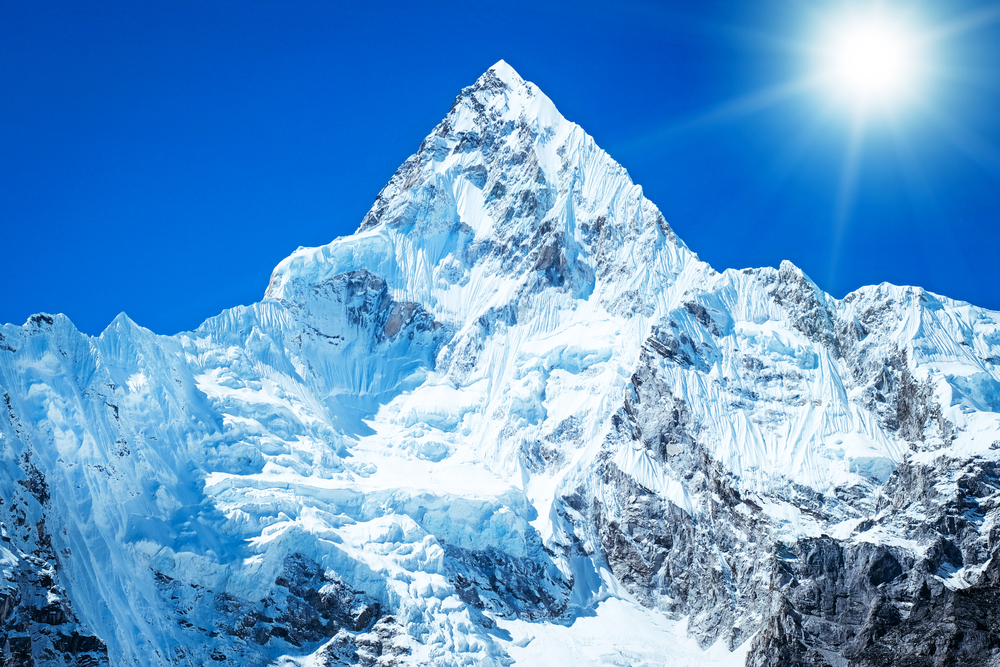

A massive rescue operation has brought 580 stranded hikers to safety after a violent blizzard trapped them high in the Himalayas near Mount Everest over the weekend. The trekkers, along with around 300 local guides, yak handlers, and support staff, were forced to halt their ascent at more than 4,900 metres (16,000ft) when sudden, heavy snowfall buried the trails and blocked their route.
Most of the group have now reached Qudang, a small township in Tibet, according to Chinese state broadcaster CCTV. The final group of around 10 hikers has yet to complete the descent but has reached a rendezvous point stocked with oxygen, heating equipment, and emergency supplies.
The storm hit during China’s Golden Week holiday, usually one of the safest and most picturesque times to trek in the Everest region. Clear skies and mild temperatures typically make October the perfect month to explore the Karma Valley trail, a lesser-known but breathtaking route that offers panoramic views of the world’s tallest peak. But this time, nature turned against them.
One trekker, 27-year-old Dong Shuchang, who has visited the Himalayas over a dozen times, told the BBC he had “never experienced weather like this.” Several members of his 20-person group showed signs of hypothermia as the snow piled up around them. Fellow hiker Chen Geshuang recalled conditions worsening rapidly: “The snow was about a metre deep when we started our retreat on Sunday. All of us are experienced hikers. But this blizzard was still extremely difficult to deal with. I was so lucky to get out.”
Police, firefighters, and hundreds of Tibetan volunteers joined the rescue mission. One woman told the BBC that her husband barely slept, terrified their tent would be buried overnight. Another hiker, Eric Wen, said three people in his group suffered hypothermia despite being properly equipped. “It was snowing so hard we had to clear the tents every 10 minutes,” he said. “Otherwise our tents would have collapsed.”
The Everest storm wasn’t the only weather disaster to strike the region. In Qinghai province, one hiker died from hypothermia and altitude sickness, while 137 others had to be evacuated. South of Tibet, in neighbouring Nepal, torrential rains triggered floods and landslides that have killed more than 50 people.
The scale and speed of the Everest operation highlight the razor-thin line between adventure and disaster in one of the world’s harshest environments. Even the most seasoned climbers were humbled by nature’s fury, and for hundreds of them, survival ultimately depended not on skill or experience, but on the relentless efforts of rescuers battling the same deadly conditions.