
AIB customers have been warned to be aware of scammers, following a 59% increase in payment fraud cases in July.
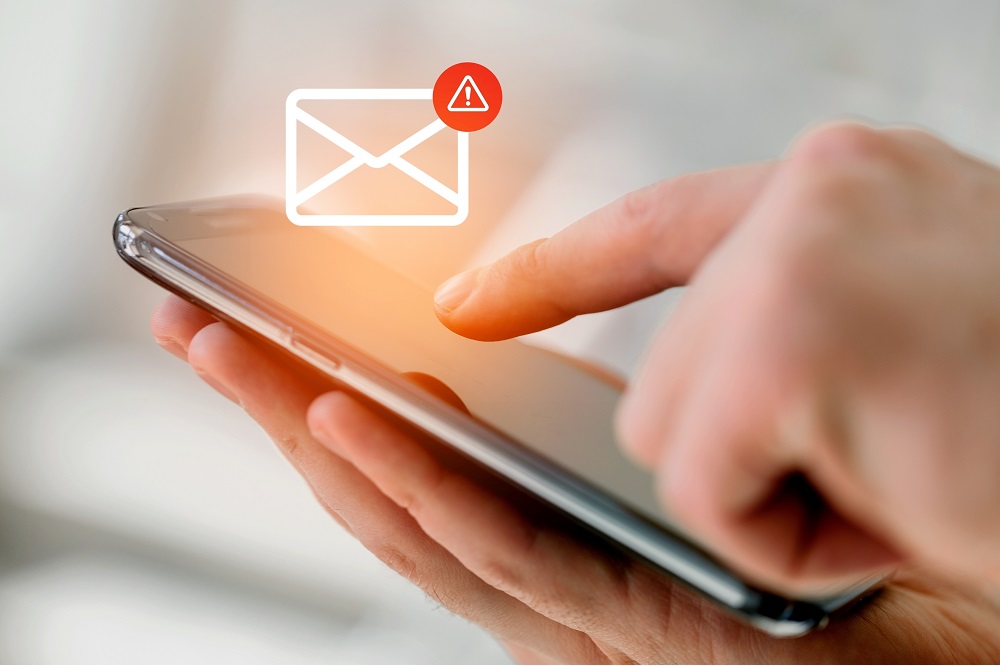
The bank has warned that text messages and phone calls from criminals pretending to be trusted organisations have increased hugely. This has led to more people being deceived into sending money, submitting security codes, bank cards or even cash.
The scammers have been using sophisticated techniques to gain people's trust, while convincing them to transfer funds or reveal personal security information, the bank have added.
Customers have been told to keep on their guard against any text messages claiming to be from a bank or trusted organisation, which are followed up by a phone call claiming to be a member of staff from this alleged organisation. The will try to create a sense of urgency, convincing the person to act quickly and share security codes or send funds to a private bank account.
AIB have also warned that some scammers will persuade customers to withdraw money before arranging a collection point.
In response, customers have been advised to "wait a sec, double check" before replying to this shock request.
Speaking about this, Harold Perez, Head of Fraud Intelligence at AIB, said: "We are seeing a notable increase in the number of customers being targeted in sophisticated text message and phone call scams.
"Fraudsters continue to adapt their tactics and are becoming increasingly convincing in the way they target customers", he added. "We are asking customers to 'wait a sec, double check' before acting on any unexpected request".
"A genuine organisation will never pressure you into making immediate decisions about your finances".
AIB have stated that they will never ask customers to share security codes, login information or passwords, or move money to a "safe account", or withdraw money on their behalf.
Mr Perez has warned that scammers are highly skilled at creating this sense of urgency and trust, and are using very sophisticated systems.
"Our advice is simple: take a second to think before acting. Never move money to a so-called safe account, never share security codes, and never hand over your card, PIN or cash to anyone claiming to be us", he said.
"If you're unsure, end the conversation and contact us directly using a trusted phone number. Taking a moment to pause could prevent significant financial loss", (all quotes according to RTÉ).