
Travel in 2026 feels less like a checklist and more like a personality test. The big prediction? People want meaning, memory, and a sense of scale, whether cosmic or communal. Here’s what will shape where we go next year…
Nostalgic Travel: Rewinding Your Own Life
Before stargazing or solitude, travellers are chasing something far stranger: childhood. The kind of pure, fizzy wonder that came before adulthood swallowed everything whole. James Turner of 360 Private Travel says clients want experiences that feel like the opening credits of their own favourite childhood film: “sleeping in a treehouse under the stars or having a cowboy adventure on horseback.” This isn’t superficial retro tourism, it’s emotional archaeology. An attempt to touch the wide-eyed version of ourselves we left behind. Turner predicts nostalgia will become an even bigger driver because it’s linked to “the simpler things in life.”
Considering Over-Tourism: Travelling With a Conscience
The scramble for the same 50 Instagram hotspots is finally burning out. “We’re seeing a shift in the way people want to travel,” says Intrepid’s Joanna Reeve. Bookings to Southern Europe in peak summer are already down 15%, while shoulder-season trips in May and October are rising fast. Operators are responding with new itineraries in Bosnia, Romania and Albania, places where tourism revitalises rather than overwhelms. It’s a recalibration: travel that feels purposeful, not extractive.
Astro-Tourism: The Universe Is the New Landmark
While some travellers look inward, others are looking straight up. As the world approaches the total solar eclipse on 12 August 2026, astro-tourism is booming. Intrepid’s New Scientist eclipse tours for Spain are sold out, Egypt’s capacity has doubled, and demand is exploding among midlife travellers and multigenerational families. “Astro-tourism allows people to connect with nature at a time when the world feels more online than ever,” Reeve explains. With pristine skies in Chile’s Atacama Desert, New Zealand’s Aoraki Mackenzie Reserve, and the 26 certified Dark Sky Parks in Utah, the night has become the destination.
Community Experiences: Travel That Means Something
Tourists are tired of being spectators. They want to be participants, even briefly. Timbuktu Travel reports that bookings for cultural and community-based trips have doubled for 2026. Co-founder Johnny Prince sums it up perfectly: “People aren’t content with ticking off landmarks. They want something that will stay with them forever because they’ve really connected with the place and the people who live there.” That includes learning 5,000-year-old Andean weaving from guardians of the craft or sleeping in the Kalahari with families who’ve passed down survival knowledge for generations. It’s a deeper kind of travel, one grounded in respect, presence, and human exchange.
Solo Travel Like Never Before
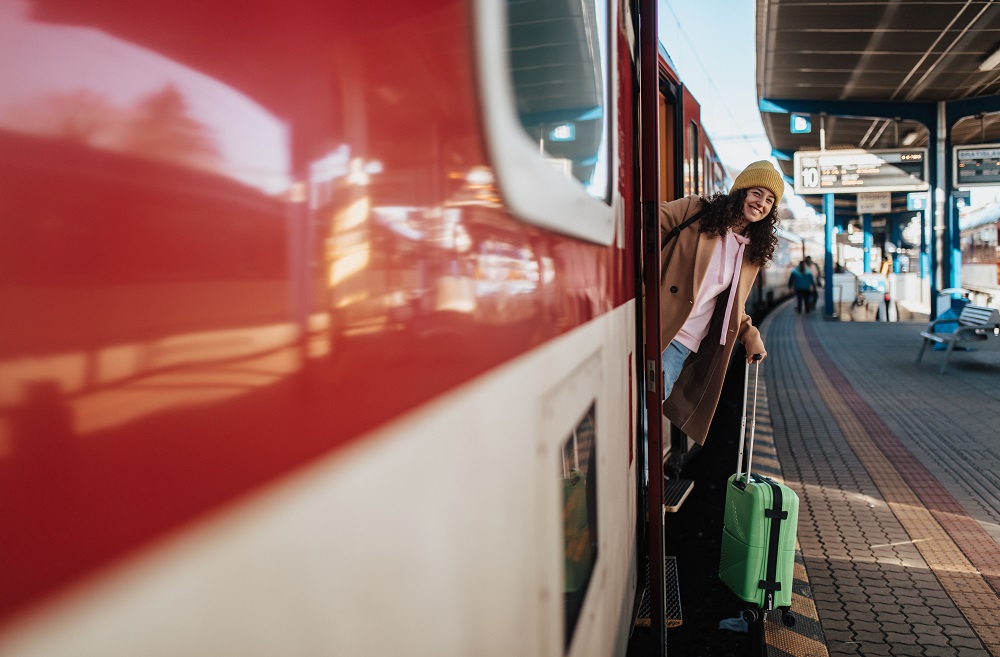
Whether by choice or circumstance, more people are embracing solo adventures. True Traveller says individual travel insurance purchases are rising across all ages, from student wanderers to retirees booking long-hauls. “Travellers are increasingly confident going it alone,” says MD Tim Riley. Destinations like Bali, Thailand, Japan and Albania lead the pack thanks to their mix of structure and curiosity. Even river cruising is experiencing a solo renaissance: Riviera Travel says 13% of bookings now come from solo guests, with 64% choosing itineraries designed exclusively for single travellers. A dedicated solo-only ship launches in 2027. Independence, it seems, is no longer lonely, it’s liberating. In 2026, travel becomes less about photographing a place and more about feeling it, whether through constellations, childhood memories, community rituals, or the quiet bravery of going alone.