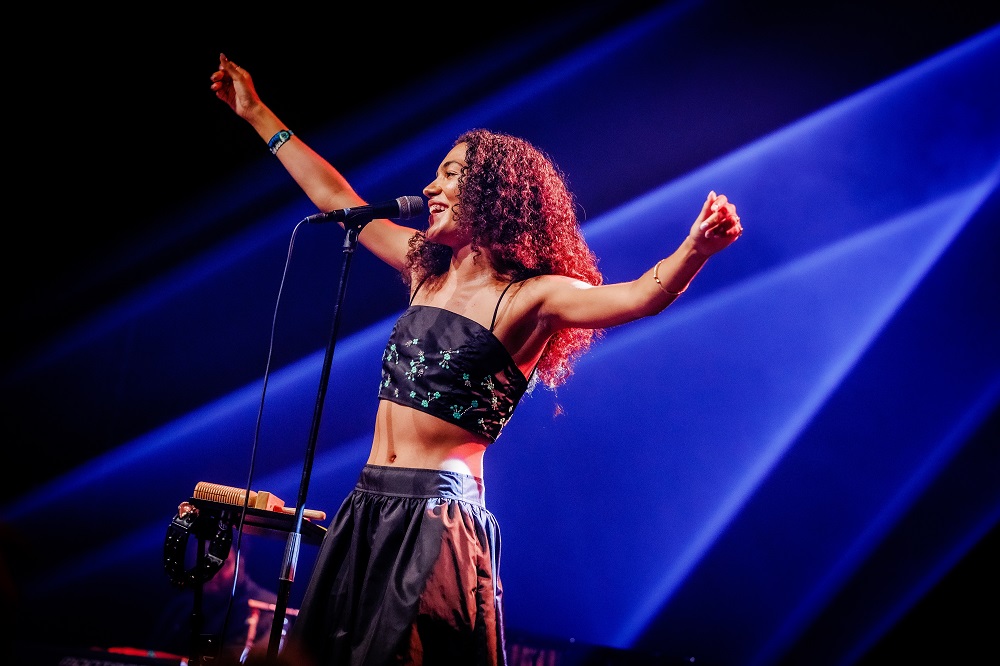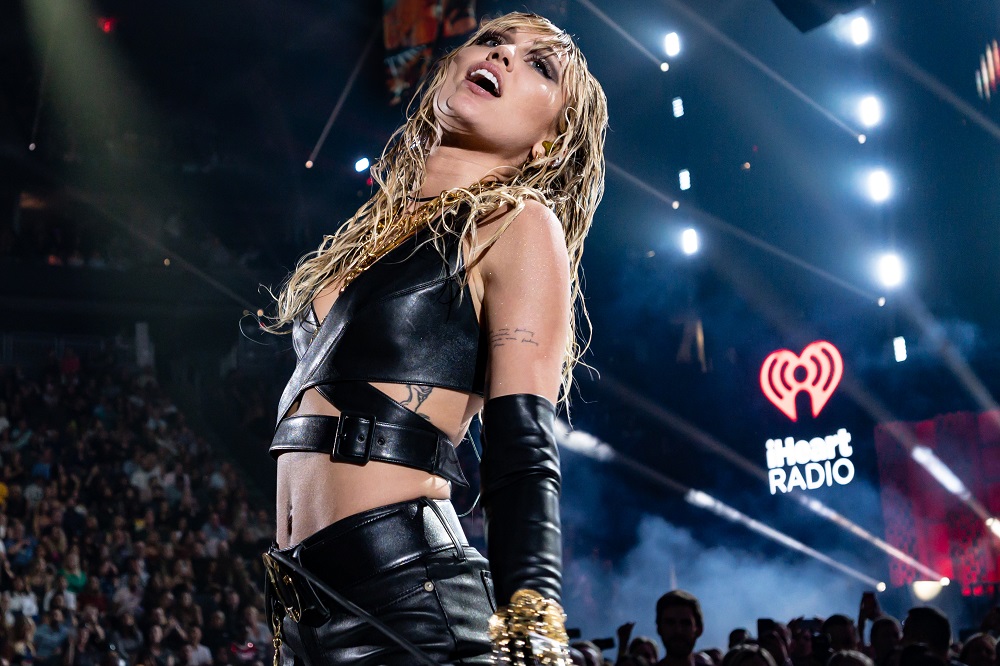

Chappell Roan has built a reputation as one of pop’s most unapologetically bold new voices — but she’s now making it clear that her freedom to be exactly who she is didn’t happen overnight.
Instead, she’s pointing directly to Miley Cyrus as the artist who took the hits first, reshaping what’s possible for the generation that followed.
During a standout moment on the “Hannah Montana 20th Anniversary Special”, Roan came face-to-face with Cyrus and delivered a message that cuts to the heart of Miley’s long, often controversial journey in the public eye. “You literally walked so I could run,” Roan told her — a line that immediately resonated with fans who have watched both artists carve out their identities under intense scrutiny.
The exchange wasn’t just a passing compliment. Roan went further, directly acknowledging the period when Cyrus faced some of the harshest backlash of her career. “You took a lot of the heat in 2012, 2013,” she said, referencing the era when Cyrus shed her Disney image and embraced a far more provocative, boundary-pushing persona. “I don’t have to deal with it as much, because, like, you really — like, the world took it out on you.”
Hannah Montana walked so Chappell Roan could run. 🥹 Chappell joined Miley Cyrus for the 'Hannah Montana 20th Anniversary Special,' where she credited the Disney legend for paving the way for artists like her. pic.twitter.com/Y8D7LOqda2
— Entertainment Tonight (@etnow) March 24, 2026
It’s a striking admission, particularly coming from an artist like Roan, who herself has become known for pushing against expectations — from theatrical performances to outspoken moments with the press.
In fact, her comments land at a time when she’s been dealing with her own wave of online attention, including backlash tied to a recent incident involving a security guard and fans in Brazil.
Addressing that controversy directly in her Instagram story, Roan said, “I’m gonna tell my half of the story of what happened today with a mother and child who were involved with a security guard – who is not my personal security,” before adding, “I do not hate children, like that is crazy.”
That context only reinforces her point: while today’s pop stars still face scrutiny, the intensity — and the tone — of that scrutiny has shifted.
And in Roan’s view, that shift is largely thanks to artists like Cyrus who endured it first.
Chappell Roan claps back at a photographer telling her to ‘shut the f**k up’ at the #VMAs:
“You shut the f**k up!” https://t.co/tGiMm45H3D
— Pop Base (@PopBase) September 11, 2024
Cyrus, of course, became one of the most recognisable faces on the planet as a teenager through “Hannah Montana,” which premiered in 2006 and quickly defined a generation of Disney Channel viewers.
At just 13, she was thrust into global fame, balancing her real identity with the fictional pop star alter ego of Hannah. The show ran until 2011, but its impact — both culturally and personally — has stretched far beyond its original run.
In the years that followed, Cyrus’ transition from Disney star to fully-fledged pop provocateur was anything but smooth.
Her Bangerz era in particular drew relentless media attention, with headline-making performances, explicit lyrics and a deliberate rejection of the polished image she had been known for.
For years, she distanced herself from the Disney image that defined her early career, particularly during her controversial 2013 reinvention — a period that included her now-infamous performance with Robin Thicke at the MTV VMAs.
At the time, that transformation was met with widespread criticism, often disproportionately harsh and deeply personal.
At the time, the drastic shift in image was met with intense backlash, as Cyrus attempted to break free from the constraints of being seen as a child star.
Looking back, she now frames that period not as rejection, but as progression. “I wasn’t trying to kill Hannah off. I was just progressing,” she said, pushing back on the long-held narrative that she deliberately tried to erase that part of her identity.
View this post on Instagram
Roan made it clear she sees that moment as foundational to her own career. “What I do on stage, where I can go on a red carpet and just be,” she explained, tying her own artistic freedom directly to Cyrus’ earlier defiance. And she didn’t stop there, adding, “To see you be the artist you are, to be able to do this, it just shows your heart and your appreciation for your younger self and what got you here.”
The emotion of the exchange was visible, with Cyrus responding simply, “That means a lot to me.” It’s a small moment, but one that encapsulates a much larger shift — a passing of the torch between two artists operating in very different cultural climates.
The anniversary special itself leans heavily into that sense of reflection.
Featuring appearances from figures like Selena Gomez, as well as Cyrus’ parents Tish Cyrus and Billy Ray Cyrus, the programme revisits the origins of a show that didn’t just launch a career, but helped define an era of pop culture.
It also highlights how far Cyrus has come, from a “country bumpkin” newcomer with no acting experience to a global star with multiple albums, millions of records sold and several Grammy wins.
Miley Cyrus thanks her fans and Disney for giving her the opportunity to be Hannah Montana at the 20th Anniversary Special premiere. 🥹 pic.twitter.com/lcGJANMbtC
— Entertainment Tonight (@etnow) March 24, 2026
But if the special is about looking back, Roan’s comments firmly root Cyrus’ legacy in the present. Because what’s changed isn’t just the trajectory of one artist — it’s the landscape for all the artists who came after.
Where once reinvention, sexuality and outspoken individuality could trigger overwhelming backlash — particularly for women — they are now, if not fully accepted, at least more expected. And that shift didn’t happen quietly. It was fought for, publicly and painfully, by artists willing to absorb the criticism.
Roan’s message, ultimately, is simple but significant: the space she now occupies — loud, theatrical, unapologetic — exists because someone else made it possible.
And in her own words, that someone is Miley Cyrus: “You literally walked so I could run.”
Miley Cyrus said it best: Taylor Swift ATE when she wrote 'You'll Always Find Your Way Back Home' for 'Hannah Montana: The Movie.' 🤩
We are living for all the lore in the 'Hannah Montana 20th Anniversary Special,' streaming now on Disney+ and Hulu. pic.twitter.com/W3M4T5kxeq
— Entertainment Tonight (@etnow) March 24, 2026
In Disney+'s new Hannah Montana 20th-anniversay special, Miley Cyrus is looking back on all things Hannah, including a memorable cameo made by a future 14-time Grammy winner in the franchise’s first and only film.
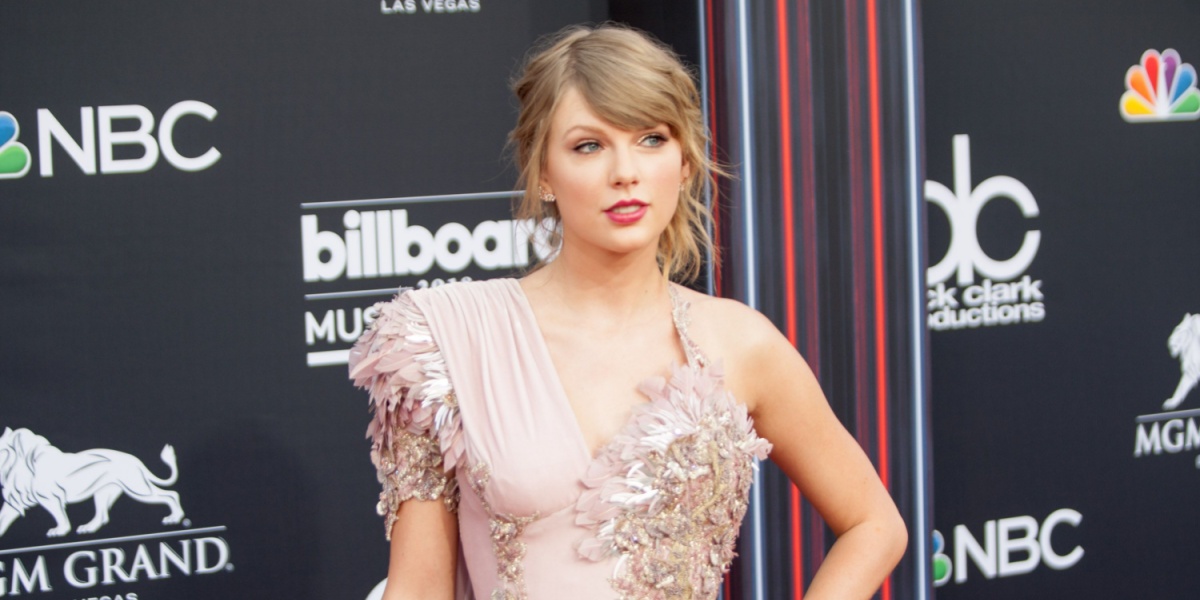
Taylor Swift appears during the barn-party sequence in Miley’s fictional Tennessee hometown, Crowley Corners, midway through the movie to sing her track “Crazier” as Miley slow-dances with her love interest, played by Lucas Till.
“Get the tea kettle,” Cyrus said when Call Her Daddy‘s Alex Cooper, who served as the interviewer for the special, asked how Swift had been cast.
“So the way that Taylor Swift ended up in the Hannah Montana movie was because this was kind of the beginning of her career, and they were looking for someone that would authentically — no shade, I guess — be performing in a barn.”
“We both performed in the barn,” she added. “And so she came into the performance.”
The barn scene was also the setting for Miley to perform the iconic “Hoedown Throwdown” number. Later, at the very end of Hannah Montana: The Movie, Miley/Hannah sings “You’ll Always Find your Way Back Home” — which just so happened to be penned by Swift for the movie.
During the special, Cyrus had nothing but praise for Swift’s contribution to the soundtrack. “Credit where credit’s due. Banger,” she said of the track, which reached No. 81 on the Billboard Hot 100. “Stands the test of time. She ate with that one.”