
Canada will make its Eurovision Song Contest debut in 2027, becoming the first new participating country since Australia joined the competition in 2015.
The European Broadcasting Union (EBU) confirmed that CBC/Radio-Canada has joined the organisation, paving the way for Canada to compete when the contest heads to Bulgaria next year.
Canada's broadcaster said details of how it will choose its first Eurovision representative will be announced at a later date.
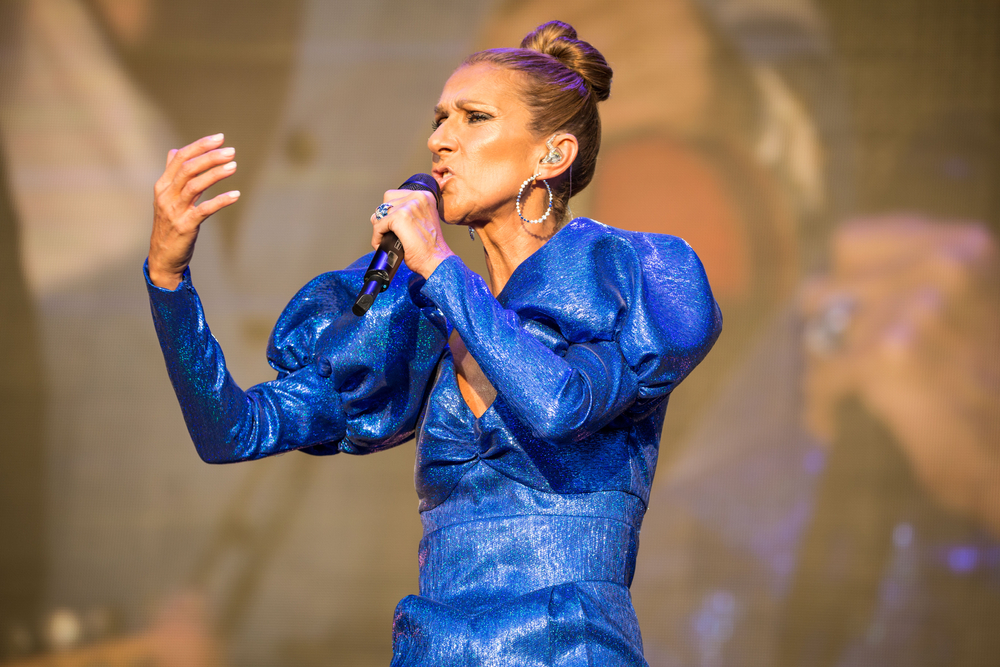
Canadian artist Céline Dion won Eurovision 1988 for Switzerland. Tom Rose, Shutterstock
Announcing the news on Canada Day, Marie-Philippe Bouchard, President and Chief Executive of CBC/Radio-Canada, celebrated the country's long-awaited arrival at the world's biggest live music competition.
"On this Canada Day, as we celebrate with Canadians across the country and around the world the richness and diversity of Canadian culture, we’re so excited to confirm that we’re bringing the world’s largest live music event to Canadians."
Martin Green, Director of the Eurovision Song Contest, welcomed Canada into the Eurovision family, highlighting the competition's growing international appeal.
"We are absolutely delighted to welcome CBC/Radio-Canada to the Eurovision Song Contest family – a further sign that, while born in Europe, the Contest continues to welcome the world."
Although Canada has never previously competed, the country already has a famous Eurovision connection. Céline Dion, one of Canada's biggest music stars, won the 1988 Eurovision Song Contest representing Switzerland with Ne partez pas sans moi.
Canada's arrival comes after one of the most controversial years in the competition's recent history.
The 2026 Eurovision Song Contest, held in Vienna, saw Ireland, Spain, the Netherlands, Slovenia and Iceland boycott the event in protest over Israel's participation amid the ongoing war in Gaza.
The withdrawals left the contest with just 35 competing countries, making it Eurovision's smallest line-up in more than two decades.
Despite the reduced field, organisers said fan interest remained strong, with around 95,000 tickets sold to visitors travelling from 75 countries.
The contest was ultimately won by Bulgaria's DARA, who claimed victory with her song Bangaranga at Wiener Stadthalle, earning Bulgaria the right to host the 2027 Eurovision Song Contest.