


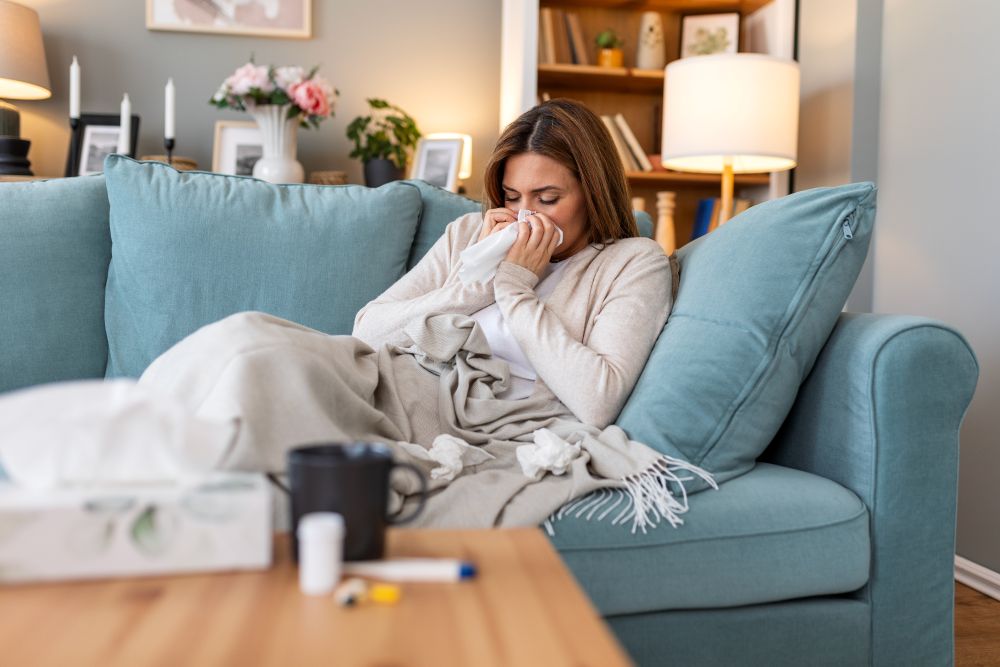
Heading Back to College This January? How to Protect Yourself from Seasonal Illnesses — Plus Top Hygiene and Bed Bug Prevention Tips for Shared Accommodation
As students return to college after the winter break, many are moving back into shared accommodation at the peak of cold and flu season. With more time spent indoors during colder months, good hygiene and pest awareness are essential to ensure a healthy and comfortable start to the new semester.
Rentokil Initial is urging students to take simple but effective steps to reduce the spread of seasonal illnesses and to stay alert to common pests that thrive in shared living environments, particularly during winter.
Keeping Germs at Bay in Shared Accommodation
Shared flats, houses and student events — often crowded and indoors — can create ideal conditions for viruses to spread. However, students can still enjoy campus life while lowering their risk of getting sick by following good hygiene practices.
Key hygiene tips for students include:
-
Prioritise handwashing: Around 80% of infections are spread through poor hand hygiene. Wash hands with soap for 20–25 seconds, especially before eating or cooking, after using shared facilities and when returning home.
-
Disinfect shared surfaces regularly: Frequently touched areas such as door handles, light switches, taps, kitchen counters and shared appliances should be cleaned often to reduce cross-contamination.
-
Avoid sharing personal items: Do not share towels, cutlery, cups, plates or kitchen utensils.
-
Be mindful of face-touching: Avoid touching your eyes, nose and mouth, particularly after contact with communal surfaces.
-
Reduce the transmission of illness: Always cover your nose and mouth when coughing or sneezing using a tissue or your elbow — not your hands, even if wearing gloves.
-
Stay home if unwell: Students with flu-like symptoms should limit contact with others and remain at home until at least 24 hours after a fever has passed.
-
Keep hygiene essentials handy: Carry hand sanitiser and use antibacterial wipes or sprays for quick cleans during busy days on campus.
“After the Christmas break, students return to college accommodation at a time when hygiene really matters,” said Colm Moore, Regional Technical Manager at Rentokil Initial. “High footfall, shared facilities, the circulation of seasonal viruses and colder temperatures can increase the risk of both illness and pest activity. However, consistent good hygiene habits can help protect both health and living spaces during the new semester.”
Watch Out for Winter Pests in Shared Housing
While seasonal illnesses are a major concern, Rentokil Initial is also reminding students to be aware of pests that become more prevalent during colder, wetter weather — particularly in shared accommodation.
Bed Bugs
Bed bugs are expert hitchhikers, often travelling on luggage, clothing and personal belongings.
Students are advised to:
-
Check mattresses for dark stains or ‘faecal spotting’
-
Look for small dark blood spots on bedding
-
Be alert to sweet, sickly odours
-
Inspect bed frames, mattresses, wardrobes and seams for shed skins or live insects
Any suspected infestation should be reported immediately to accommodation providers.
Silverfish
Silverfish are another common nuisance pest, especially in winter. These small, silver-grey insects thrive in damp, dark areas such as bathrooms and kitchens.
Although not harmful to health, silverfish can damage books, clothes, photographs and paper items.
To help prevent silverfish, students should:
-
Keep accommodation clean
-
Store food in sealed containers
-
Reduce humidity through ventilation or dehumidifiers
-
Fix leaks and seal cracks where possible
With a combination of good hygiene habits and basic pest-prevention measures, students can significantly reduce the risk of illness and unwanted infestations — helping them focus on college life and start the semester on a healthy note.