
Irish farmers are facing additional feeding costs of more than €3m a day as the ongoing drought brings grass growth to a standstill across large parts of the country.
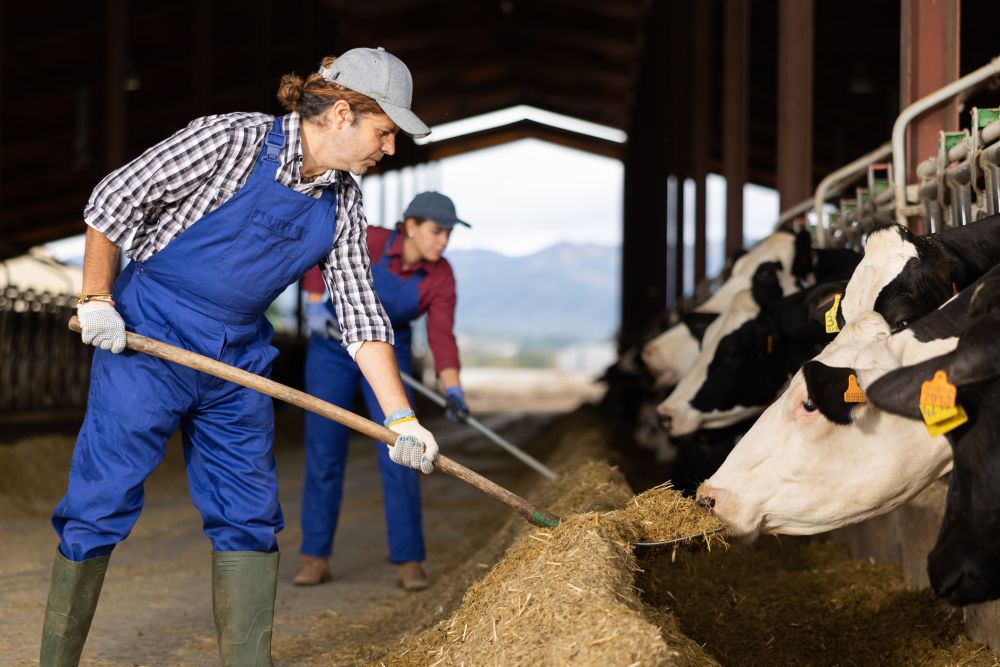
Farmers in the east and south have been forced into winter-feeding routines weeks earlier than normal, with the cost of supplementary feed reaching as much as €3.50 per dairy cow per day.
Teagasc's Joe Patton said the vast majority of farmers across south Leinster and east Munster were now on “full supplementary feeding” or “damn near it” as pasture quality and availability deteriorate.
The scale of the problem follows an exceptionally dry and hot July. Provisional figures indicate that last month was the driest July since records began in 1900 and the second hottest over the same period.
IFA president Francie Gorman said the extreme weather was creating a major financial burden for farmers, who would normally expect to rely heavily on grass during July.
“What we're having to do now is feed them with our winter fodder supplies,” he said.
He warned that the situation could leave farmers facing significant shortages when winter arrives, with fodder availability already varying considerably between regions.
“There certainly is fodder stocks in parts of the country and not in others,” Mr Gorman said.
He called for the National Fodder and Food Security Committee to be convened urgently to assess the national position and determine how existing supplies can be managed.
“To see how we can incentivise and advise farmers to stretch the resources they have, to make sure that when we head into the winter, that we'll have adequate supplies,” he said.
The impact is particularly acute on dairy farms, where large herds require substantial quantities of supplementary feed.
Mr Gorman said a 100-cow dairy farm could now be facing an additional feeding bill of around €400 per day.
“If you had a hundred dairy cows today, it wouldn't be a stretch to say that the extra cost of feeding those cows per day on that farm would be €400 per day - so, it's a cost issue as well,” he said.
The additional expenditure comes at a difficult time for the sector, with farmers also facing pressure from milk, beef and grain prices.
Mr Gorman said the Government needed to act proactively to help offset the exceptional costs being incurred as a result of the drought.
He pointed to a €540m European Commission fund which can be co-funded by member states, arguing that Ireland could potentially access €15m and that Government funding could increase the support available.
“The European Commission has put in place a fund of €540 million that can be co-funded to the maximum of 200% by our Government,” he said.
He suggested that support could be linked to last year's fertiliser usage, providing additional cash flow to farms that may otherwise struggle to meet the cost of fertiliser and feed in the months ahead.
With grass growth severely restricted and winter fodder already being used, farmers are now facing the prospect of entering the traditional winter-feeding period with depleted reserves.
Mr Gorman said the weather had already delivered a severe financial shock across agriculture, warning that continued pressure on farm incomes could force more farmers to reconsider their future in the sector.
“That's the impact that the weather has had,” he said.