
Getting a tattoo, adopting a dog, and launching a side hustle or passion project are among the bold new choices people are planning to make in 2026 as they look to live life to the fullest and break free from routine.
According to new research commissioned by travel agent TUI, eight in ten people say they are tired of ‘playing it safe’, while more than half admit they wish they could throw caution to the wind more often. The nationwide survey of 2,000 adults reveals a growing appetite for spontaneity, self-discovery, and adventure as people seek meaningful change in their lives.
The findings show that 57% feel stuck in a rut, with 43% saying they have followed the same daily routine—going to work, coming home, watching television, and going to bed—for years. Meanwhile, 78% feel exhausted by constantly choosing the safe option, and 46% say the current global landscape feels overwhelming. As a result, 58% want to mix things up and embrace uncertainty.
In response, 2026 is shaping up to be a year of renewal, with half of people (50%) saying it should be about spontaneity and self-discovery, replacing the mindset of “someday” with a more decisive “why not?”. Nearly 49% say they want to reclaim their sense of adventure, while 52% are prioritising new experiences over the usual daily grind.
This shift has given rise to a growing trend known as ‘intentional firsts’, where people deliberately try things they have never done before. More than two thirds (67%) say they are actively pursuing brand-new experiences, marking a conscious move away from routine.
TUI’s ‘Firsts Forecast’ outlines the most popular ways people plan to reinvent their lives this year. Top of the list is booking a holiday of a lifetime to a completely new destination (56%), followed by taking up a new hobby or interest (22%) and learning a new language (17%).
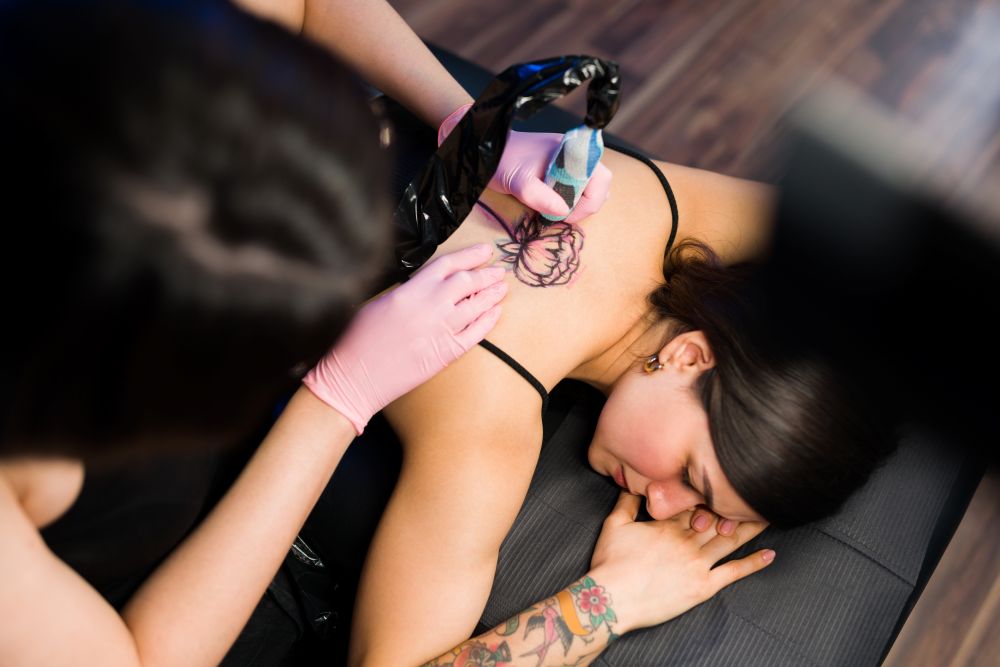
For others, these firsts are deeply personal. Fourteen percent plan to get the tattoo they have always wanted, while 10% say 2026 will be the year they finally get the dog they have dreamed of owning. Many of these plans are simple pleasures long delayed, while others represent ambitious bucket-list goals.
People are also planning to launch new businesses (11%), go cold-water swimming (8%), learn salsa dancing (6%), or experiment with a dramatic new hairstyle or hair colour (5%). Around one in twenty even plan to go on a blind date, attempt a bungee jump or skydive, take a digital detox, or try a viral TikTok trend.
Travel remains central to this renewed sense of adventure, with 83% planning to visit somewhere completely new in 2026. Japan tops the wish list (30%), followed closely by New York (29%) and the Maldives (24%).
TUI has partnered with neurology doctor and neuroscientist Dr Faye Begeti, who says the findings highlight the importance of novelty for brain health.
“These findings tap into people’s instinct for ‘firsts’, which echo something neuroscience has long understood – trying something for the first time is incredibly powerful for the brain,” she explained. “The routines of everyday life can leave us stuck in autopilot mode… It’s efficient, but it’s not stimulating.”
“The brain doesn’t thrive on repetition; it thrives on novelty and challenge,” she added. “Challenging ourselves to do something unfamiliar strengthens our neural connections and helps build cognitive reserve, which supports long-term brain health.”
TUI is encouraging people to embrace ‘intentional firsts’ in 2026, framing them not just as new experiences, but as a conscious pursuit of joy and optimism during uncertain times. The travel brand predicts a year defined by ‘never-done-this-before’ holidays, where packing a bag for somewhere new becomes the ultimate act of self-renewal.