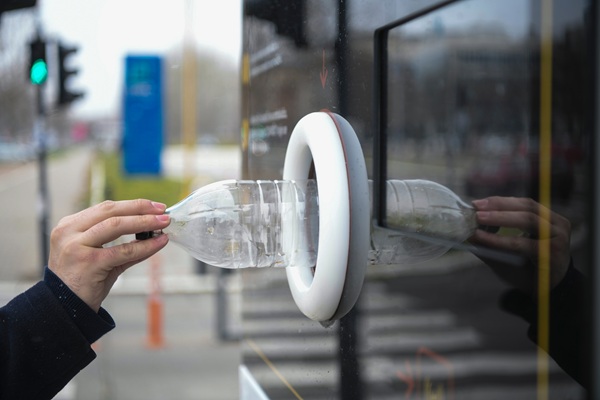

Various medical professionals, including a public health expert, have ward the that the Deposit Return Scheme contain residue from both sugary drinks and alcohol, these liquids have lead to the risk of microbial growth and are also likely to attract rodents and flies.
The newest issue of the Irish Medical Journal stated that - issues relating to hygiene and infection control must be considered alongside the beneficial environmental impact.
The journal also asserted that the exposure pathways to retail staff, logistics staff and maintenance personnel who are in direct contact with these possibly infectious hotspots should have a protocol regarding infection in place.
Asking that Re-Turn and the Health Service Executive and other relevant businesses work together to create a safe, hygienic protocol for the DRS.
Saying "Integrating practical infection-prevention measures alongside environmental objectives will help ensure that Ireland's DRS continues to operate successfully, safely, and with strong public confidence, minimising harm for all involved in the process,"
Those involved with the publishing of the journal include Dr Mick Molloy, a consultant in emergency medicine at Wexford General Hospital; Dr Walter Cullen, a GP and professor at University College Dublin; and Nandakumar Ravichandran, a public health expert in the School of Medicine at University College Dublin.
Re-turn has said that the company "is not aware of any recorded cases of illness arising from the operation of the DRS".
"Re-turn also issues regular guidance to retailers and operators, including seasonal advice during warmer periods to help manage issues such as residue, odours and insects," the spokesperson said.
"We take all matters relating to public health, safety and environmental performance seriously and remain open to engaging constructively with medical, public health and environmental experts, as well as relevant agencies, on any evidence-based guidance that could further strengthen public confidence in the scheme."