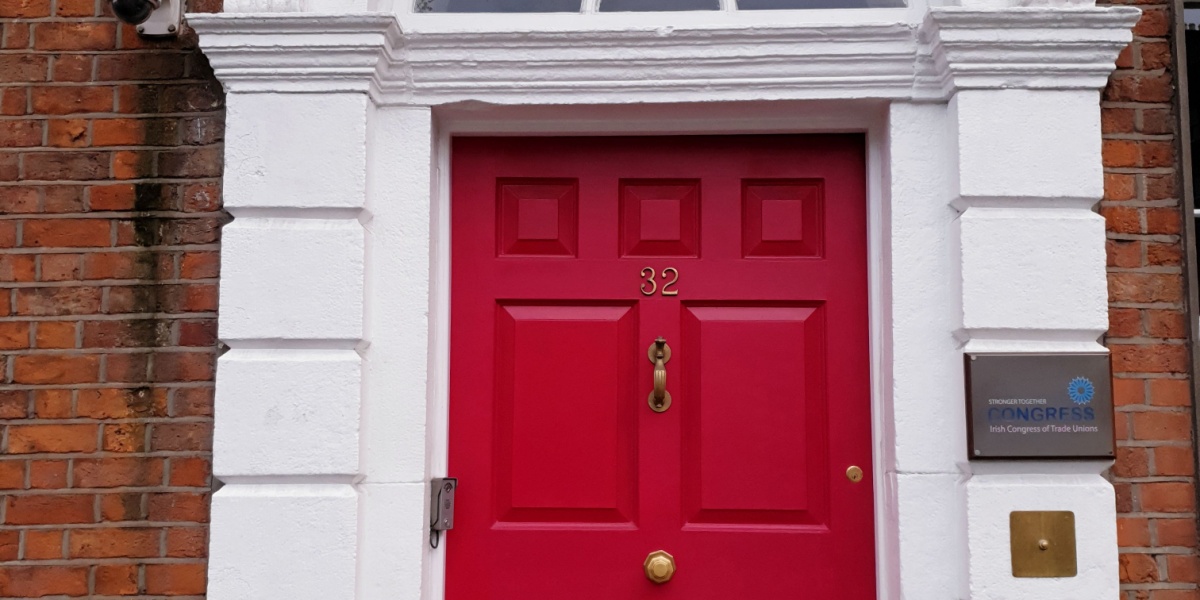

The General Secretary of the ICTU has warned that strike action could be imminent if demands over pay are not met.
Owen Reidy, General Secretary of the Irish Congress of Trade Unions has said that striking is "inevitable" if the Government do not listen to the concern of the workers. He was speaking after meeting with Government and employer representatives to discuss issues like the impact of the rising cost-of-living on workers.
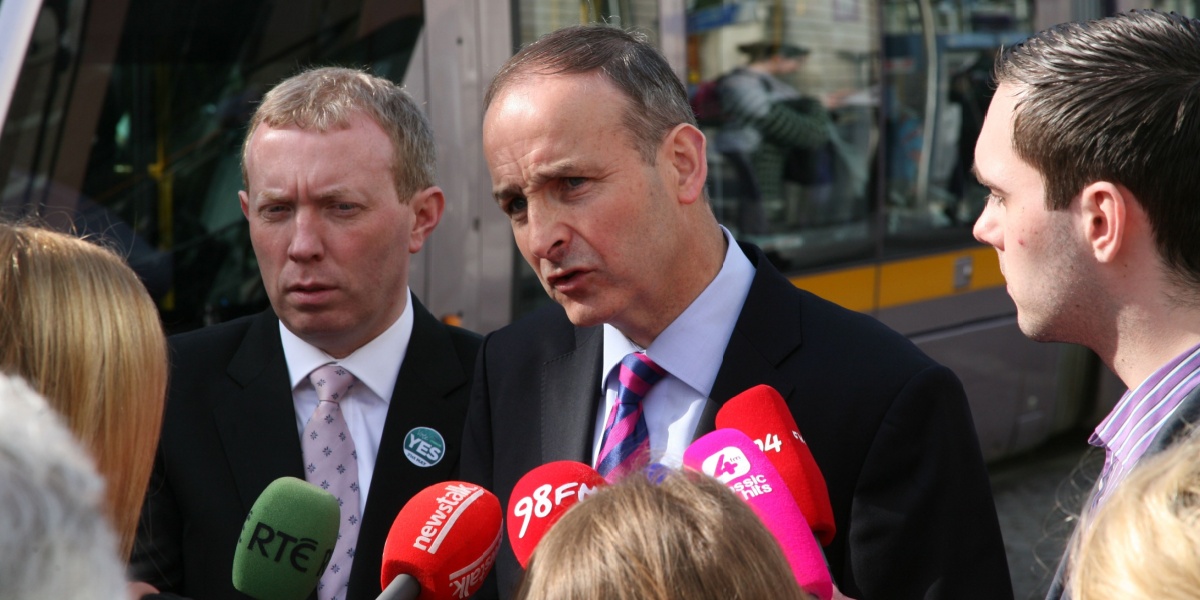
Talks were held at a meeting which was chaired by Taoiseach Micheál Martin, the Labour Employer Economic Forum (LEEF). This meeting was also attended by the Tánaiste, Minister for Enterprise, Minister for Public Expenditure, and Minister for Climate, Energy and the Environment.
These talks were also held with the representatives from ICTU and employer groups including Ibec.
Speaking about this, Mr Reidy has said that the next few weeks will see more talks with the Government, where they hope an agreement will be made regarding measures to support workers.
However, Mr Reidy warned that industrial action may happen if an agreement is not reached from these discussions.
"Our point has been that if Government doesn't listen to organised labour at this time, with this crisis, particularly after what happened last week, strike action is probably inevitable as a result of that," Mr Reidy said. "Obviously, what we want to do is make sure that we can protect households, workers, families, and their income".
"We want the Government to adopt policies that we're going to advocate over the next four or six weeks to do that," Mr Reidy added.
The General Secretary also said that he thinks the industrial peace of the last decade "has possibly been taken for granted".
Following these talks, Minister for Public Expenditure, Jack Chambers has said that a new 'Labour and Economic Resiliance Forum' will be established to listen to the concerns of employers and unions.
He said: "Part of our response was to provide universal measures for workers in the context of the reductions in excise, which have benefitted every worker in the economy, the extension of fuel allowance benefits low-income households, particular, and many workers as well".
"So we want to work with the trade union movement, to try and continue that industrial peace, and ensure that we've stability over the period", he added.
This comes following calls over recent weeks from the Irish Nurses and Midwives Organisation to the HSE to pay the higher mileage rates for nurses and midwives working in the community for the full duration of the ongoing fuel crisis.
The ICTU's President, and General Secretary of INMO, Phil Ní Sheaghdha has mentioned the impact of rising fuel costs on works in recent weeks.
Elsewhere, the National Executive Council (NEC) also met to discuss the pressures felt by workers in recent weeks.
They said it would "support members in pay talks in all sectors of the economy, both the private and public sectors, including in the taking of industrial and strike action to ensure their pay and living standards are protected".
The fuel crisis has seen the pressure mount on Taoiseach Micheál Martin, with one Fianna Fáil TD admitting that he could have shown "more empathy" during these protests.
But despite this pressure, Mr Martin insists he does not feel his position as Fianna Fáil leader is under threat.