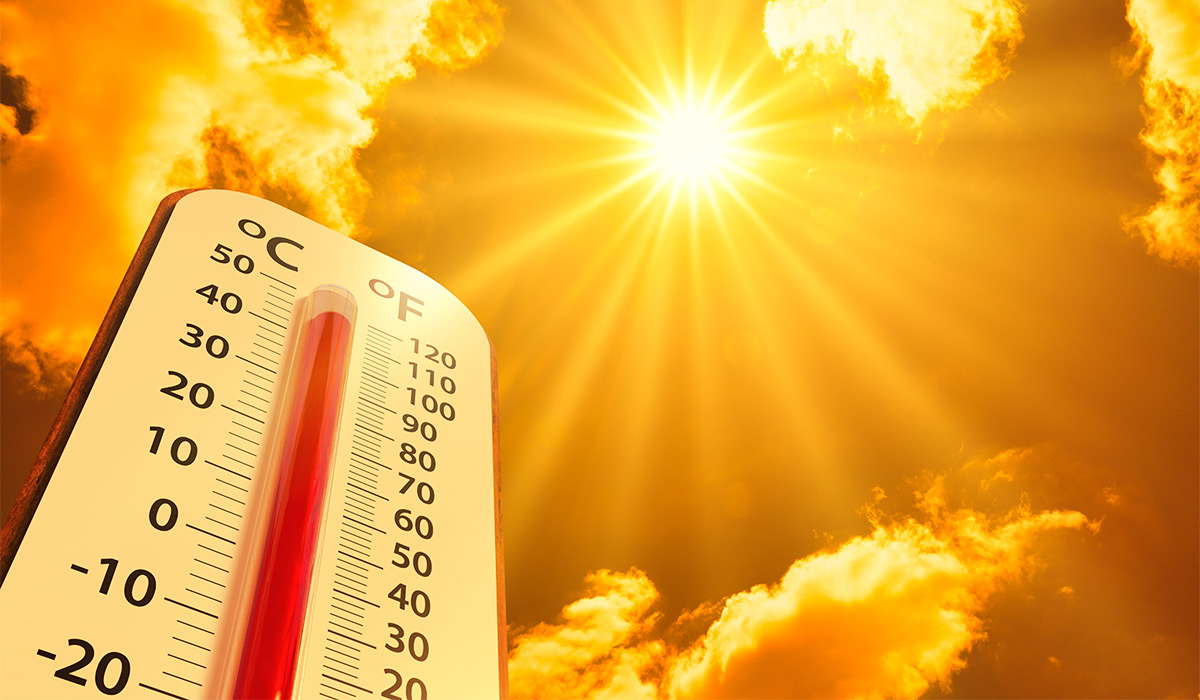

This year’s summer saw average temperatures hit 16.19C, nearly 2 degrees warmer than the long-term norm, edging out the previous record-holder, summer 1995, by a hair at 0.08C. While the sunshine wasn’t exactly blazing, a mix of dry spring soils, “heat domes” over Europe, and stubborn clouds that trapped warmth meant nights especially stayed unusually mild.
“It hasn’t been particularly sunny,” said Met Éireann Climatologist Paul Moore, “but factors like warm seas, high pressure spells and lingering spring heat have kept temperatures consistently above average.”
2025 is already breaking records — it’s the warmest spring on record, and now the hottest summer too, the first back-to-back record spring-summer since 1933.
Rainfall, meanwhile, landed close to normal overall, at 98% of the average, though the south and midlands were drier while the east and west got more than their share. Dunsany, Co Meath, clocked the soggiest day — 55.4mm of rain on July 21.
While 2025 technically edges past 1995, many will still remember that summer as the scorcher: highs of 30C, Kilkenny baking above 25C for 27 days, and a marine heatwave to top it off. This year was different — not as dramatic, but warmer overall thanks to heat that simply never left. June and August ranked as the 4th warmest on record, with July not far behind as the 9th warmest.
Met Éireann’s verdict? Climate change is already reshaping Ireland’s weather, turning even “ordinary” seasons into record-breakers — and the trend is only upwards.