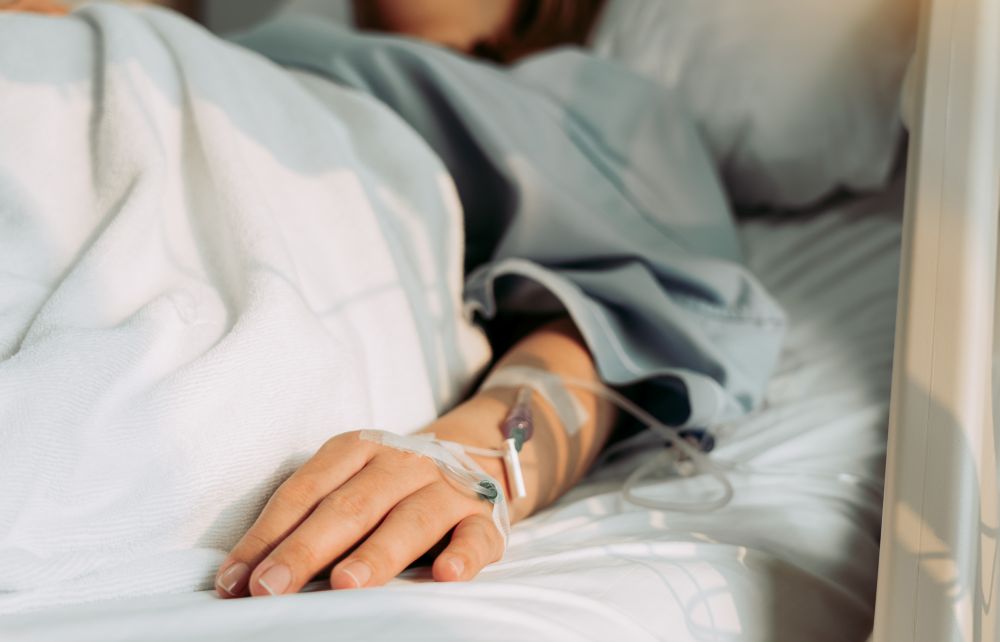

Women in Ireland continue to face significant financial, structural, and discriminatory barriers to accessing essential healthcare services, according to a new report focused on women's health outcomes.
The report, titled ‘Our Health, Our Voices’, is the result of a collaborative project between the National Women’s Council (NWC) and the Department of Health. It highlights widespread inequities, particularly for marginalised groups such as migrant women, disabled women, and those living in rural areas.
Financial constraints remain a major hurdle, with many women struggling to afford prescriptions or regular medical visits. “I still don’t have a GP and it’s been two years in this country,” said one migrant woman, reflecting the persistent difficulties faced by many newcomers in accessing primary care.
Access is also an issue of geography and infrastructure. Women in rural areas often face long travel distances to reach healthcare facilities, while disabled women encounter services that are fundamentally unprepared to meet their needs. “Hospitals are not prepared for disabled people…There is no bathroom for disabled people, no beds, no corridors, no lift,” said one woman, pointing to a systemic lack of accessibility across the healthcare system.
Discrimination was another prominent theme, with many women reporting negative experiences based on their ethnicity, disability, age, gender identity, or sexual orientation. “The security guard came up to me [in A&E] and was asking me questions, like why I am here... It makes you feel like everyone is staring at you and you have done something wrong,” said a Roma woman, describing a distressing experience of racial profiling and judgement in an emergency setting.
Additional barriers include language difficulties, literacy issues, and inadequate interpretation services, all of which can prevent women from understanding or navigating the healthcare system effectively.
NWC Head of Policy Doireann Crosson acknowledged that while there have been notable strides in women’s healthcare in recent years, those gains have not reached everyone equally.
“Marginalised women in Ireland continue to face significant health inequalities and persistent barriers to care,” she said.
“The next Women's Health Action Plan must prioritise more targeted, inclusive and culturally appropriate implementation of healthcare services.”
Salome Mbugua, Chief Executive of AkiDwA, a national network for migrant women, echoed these concerns, particularly regarding the lack of GP access.
“It is shocking and unacceptable that so many migrant women, including those who have lived in Ireland for years, cannot access a GP due to a shortage,” she said.
“Without that crucial link to primary care, they are effectively shut out of essential services like screening programmes, contraception, HRT and other vital supports.”
In response, the Department of Health stated that €180 million has been invested in women's healthcare over the last five years. This funding has supported the rollout of specialist menopause clinics, fertility hubs, State-funded Assisted Human Reproduction services, and free contraception. However, advocates stress that funding alone is not enough without equitable and inclusive delivery.
To read the full report by the National Women's Council click here.