
Counties Clare, Kerry, Limerick, Tipperary, Galway, Kilkenny, Laois and Offaly have been issued a status yellow temperature warning from 12pm on Tuesday until 6pm on Wednesday.
Met Éireann have warned that maximum temperatures in excess of 27°C combined with night-time minima in excess of 15°C is expected. Temperatures are expected to be warmest in Munster and south Leinster, with it being slightly cooler in the north, northwest and some parts of the east coast.
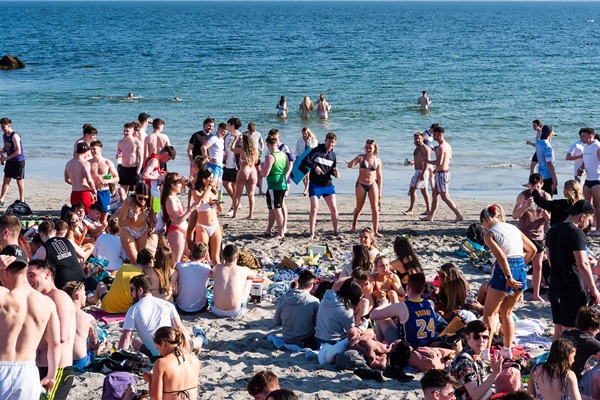
Potential impacts due to the increased heat as suggested by Met Éireann are: Water safety issues due to increased use of lakes/beaches, forest fires a possibility, uncomfortable sleeping conditions and heat stress.
With temperatures expected to range from 23C to 29C or 30C, this would mark the second record-breaking day in a row in the Republic of Ireland after a 28.6C was recorded at Shannon Airport in Co Clare on Monday.
Meteorologist Gerry Murphy told the BBC that temperatures being broken is quite a big deal and that heatwaves are becoming more likely and extreme due to climate change. However Murphy stated that the heatwaves cannot be directly blamed on climate change yet, but if they consistently return and temperatures keep rising, it can then be linked.
"That means an extreme weather event which is likely to be seen once in every hundred years is now becoming more common and is now recurring once in every 30 years," he said.
Warm weather can be enjoyable for many people however it is important to remember to enjoy the weather safely. Heatwaves can cause heat exhaustion and heatstroke in the elderly, young children, and other vulnerable groups, the HSE has provided tips on how to stay cool during hot weather.
Heatwaves can affect anyone, although those most at risk are: babies and young children, people over 65, people with underlying health conditions including problems with breathing, heart, kidneys and diabetes, people with Alzheimer’s and dementia and people who spend a lot of time outside or in hot places (such as those who work outdoors or the homeless).
The HSE suggests to wear light and loose fitting clothes that cover your skin, wear a wide brimmed hat and sunglasses, regularly apply a broad spectrum water-resistant suncream, and to avoid going out during the hottest part of the day if possible (11am-3pm).
The HSE states that adults need about 2 litres of water a day over 24 hours and to drink more water when you feel dehydration symptoms. For more information on the HSE's advice please visit here.
Readers are strongly advised to follow Met Éireann’s ongoing updates.