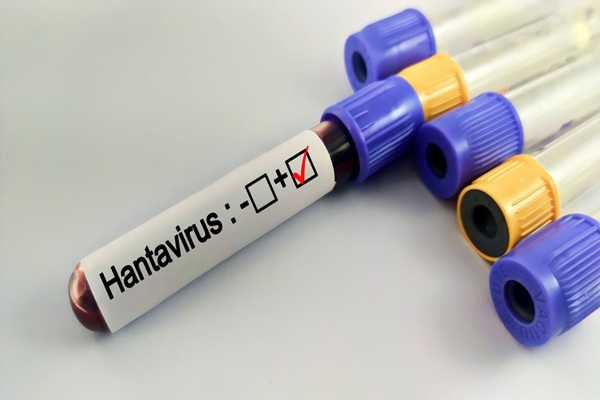

Hantaviruses are a group of viruses carried by rodents that can cause severe disease in humans. People can be infected if they make contact with infected rodents or their urine, droppings or saliva. Hantavirus can cause severe illnesses and even death.
According to the World Health Organisation, hantaviruses can cause "hantavirus cardiopulmonary syndrome (HCPS), a severe respiratory illness, with a case fatality rate up to 50%."
A currently known hantavirus, Andes virus is found in South America and is limited to human to human
Hantaviruses are classified as a zoonotic virus that naturally infect rodents and can infect humans, however the diseases can vary depending on location.
In humans, symptoms usually begin between one to eight weeks after exposure. Symptoms include, fever, headache, muscle aches and gastrointestinal symptoms such as abdominal pain, nausea or vomiting.
In HCP, symptoms include cough, shortness of breath, accumulation of fluid in the lungs and shock.
Early diagnosis is difficult to spot as symptoms are similar to other viral infections.
There is currently no treatment for hantavirus, the WHO suggests that "early supportive medical care is key to improve survival and focuses on close clinical monitoring and management of respiratory, cardiac and kidney complications." Preventions from contracting the virus depends greatly on reducing contacts between people and infected rodents.
There is no vaccine or medications to battle the virus, which means the treatment is to relieve pain and symptoms caused by the virus.
Prevention of Hantavirus can be acheived by reducing contact between humans and rodents.
To reduce contact the WHO recommends you: ensure home and workplace is clean, openings are sealed to ensure rodents cannot enter, food is stored securely, hand hygiene is maintained, surfaces are dampened before cleaning and avoid dry sweeping or vacuuming rodent droppings.