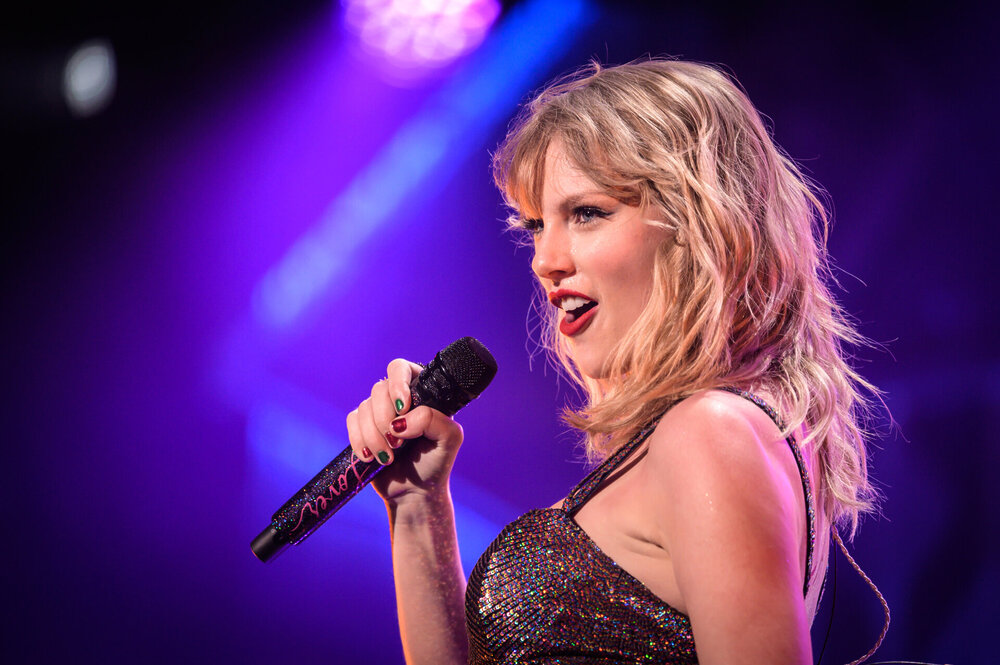

Taylor Swift is back in the headlines, and this time the buzz isn’t just about her new music — it’s about her lyrical takedown of Charli XCX. On her latest album, Swift reportedly fires some of her sharpest barbs yet, showing once again how she turns personal conflict into chart-topping art.
The standout track, widely discussed by fans, includes lyrics that appear aimed squarely at the British singer:
"I heard you call me 'Boring Barbie' when the coke's got you brave. High-fived my ex and then you said you're glad he ghosted me. Wrote me a song saying it makes you sick to see my face. Some people might be offended, but it's actually sweet all the time you've spent on me."
The lines are pointed, witty, and unmistakably Swiftian, blending personal grievance with clever wordplay. Not only does she reference Charli calling her a “Boring Barbie,” but she also highlights a tangled history involving Taylor’s exes, public jabs, and Charli’s perceived antics.
Charli XCX has long courted headlines herself, often accused of manipulating for clout. Reports have claimed she even released vinyl of her recent album, Brat, filled with white powder, feeding into the glorification of drugs Showbiz is often guilty of. It stands in contrast to Swift’s carefully-worded approach, amplifying the sense of tension between the two stars.
Their history goes back years. Charli supported Taylor on her Reputation Stadium Tour in 2018, but she later described the experience as awkward: “I’m really grateful that Taylor asked me on that tour. But as an artist, it kind of felt like I was getting up on stage and waving to 5-year-olds.” Fans have since speculated that both artists’ recent albums carry indirect responses to each other, with Taylor using lyrics to air grievances, and Charli exploring emotional fallout and self-reflection in tracks like “Girl, So Confident”: “This one girl tears my life apart, I found myself in her spiral. ’Cause on one side of her I tried to sprint opposite, and on the other side I feel all these feelings I can’t control.”
The feud, whether performative or personal, underscores Swift’s unique approach to pop stardom. She has always used her music as a diary, chronicling relationships, friendships, betrayals, and professional challenges. From her first album, released in 2006, Swift quickly became known for her narrative songwriting, a skill that has allowed her to connect deeply with fans. Hits like Love Story and You Belong With Me made her a country crossover sensation, and albums like 1989 solidified her as a global pop icon.
Over the years, Taylor has amassed 11 Grammy Awards, including three for Album of the Year, an Emmy, and numerous Billboard Music Awards. She holds Guinness World Records for chart achievements and streaming milestones, making her one of the most decorated artists of her generation. Yet, it’s her ability to turn personal experience into compelling music that sets her apart — whether calling out a complicated friendship, exes, or even music executives.
While the Charli XCX lyrics dominate early discussions, the album also sees Taylor addressing industry issues, albeit toward the end. She references Scott Borchetta, the former Big Machine Records CEO, who sold the rights to Taylor’s first six albums to Scooter Braun, sparking a public feud over her masters. In the new songs, she sings: “If you’re that figure, that drink, that devil in a suit, step into my office, let’s profit off youth. You made a deal with this devil. Turns out my d*** is bigger. You want a fight, you found it. They don’t make loyalty like they used to.” The nod to brown liquor is thought to reference Borchetta celebrating the sale. After years of struggle, Taylor finally regained her masters, buying them back and assuming the bank debt herself — a rare victory in an industry that rarely allows artists full control over their early work.
Musically, Taylor continues to innovate. Known for collaborating with producers like Jack Antonoff, Aaron Dessner, and Max Martin, she blends narrative-driven lyrics with hooks, inventive production, and genre-spanning sounds, from country to pop to indie and alternative. The combination of personal storytelling and polished production keeps her at the forefront of global music culture.
The feud with Charli XCX, the witty lyrics, and the industry commentary all demonstrate why Taylor Swift remains a cultural phenomenon. From her early Nashville days to dominating streaming charts and social media discussions, she has built a career where every personal experience — every slight, friendship, or betrayal — becomes fuel for her artistry.
In conjunction with the release of her 12th studio album, The Life of a Showgirl, Taylor Swift has unveiled a special documentary titled Taylor Swift: The Official Release Party of a Showgirl. This 89-minute film offers fans an exclusive behind-the-scenes look at the creation of the album, featuring never-before-seen footage and the debut of the music video for the lead single, "The Fate of Ophelia." The documentary premiered in select cinemas worldwide today, with screenings scheduled through October 5. Swift's promotional strategy for this release includes a global blitz, encompassing theatrical events and pop-up experiences in major cities like New York and Los Angeles, ensuring fans have multiple avenues to engage with her latest work.
For fans dissecting “Actually Romantic”, it’s a reminder of Taylor’s signature skill: no story is too small to become a song, and no lyric is too subtle to escape scrutiny. Whether it’s an ex, a fellow pop star, or a powerful executive, Taylor Swift has mastered the art of turning conflict into gold, all while keeping the world listening — and talking.