
Excavation work at the site of the former Mother and Baby Home in Tuam has led to the recovery of a further eight sets of infant remains, according to the latest update from the Office of the Director of Authorised Intervention in Tuam (ODAIT).
The latest discoveries bring the total number of individuals recovered since excavation began last summer to 77. Officials confirmed that all eight infants were found buried in coffins. Most of the remains uncovered to date have been located within an area identified on historical maps as a burial ground.
The update, covering excavation activities carried out between April and May, also revealed the discovery of a number of disarticulated bones belonging to both adults and children. These bones, which are not in their original anatomical positions, will undergo further examination to determine their age and origin.
Investigators have also identified evidence of additional possible graves sized for infants or children in another section of the site. Further excavation and analysis are continuing in this area to establish the extent of the burials.
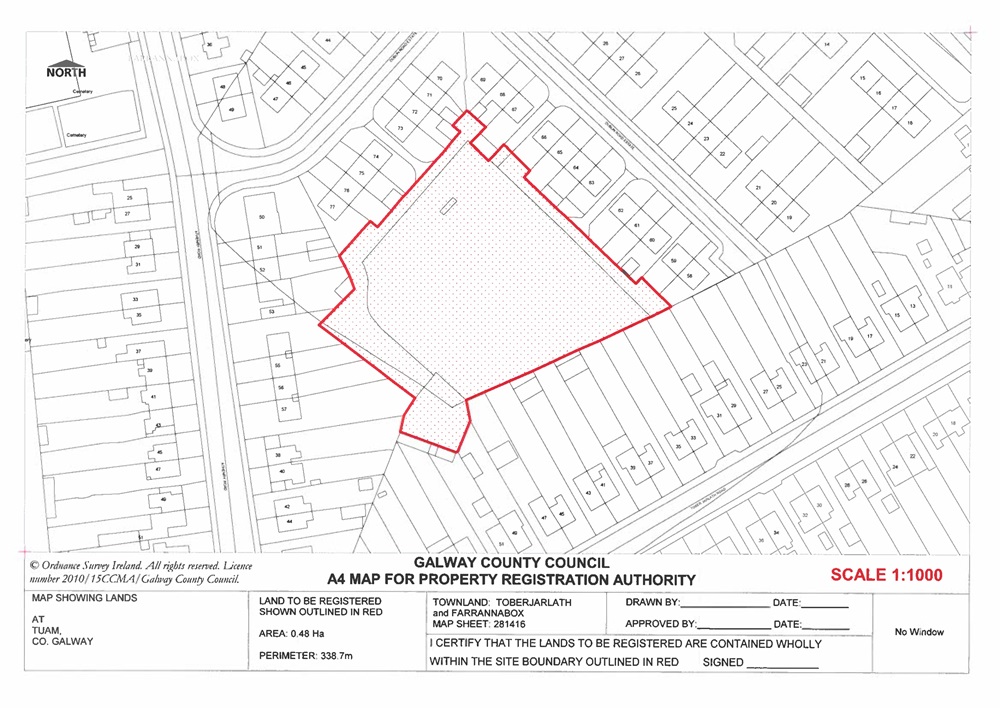
During the reporting period, work concentrated on two specific locations. One area contains a subterranean vaulted structure believed to have formed part of a wastewater management system dating back to the workhouse era. However, it remains unclear whether this system was still operational during the period when the Mother and Baby Home was in use between 1925 and 1961.
Speaking on RTÉ's News At One, ODAIT Director Daniel McSweeney explained that all excavation work is being conducted to strict forensic standards. He said that extensive safety measures were required before investigators could access the underground structure.
Mr McSweeney noted that excavation in a second area, identified on historic maps as a burial ground, has revealed an extension of the burial site where the remains of the 77 individuals were found. Evidence of additional potential infant and child graves has been identified there, leading investigators to believe that further remains may yet be recovered.
He explained that investigators deliberately chose not to begin work in the Memorial Garden, despite evidence from earlier test excavations carried out in 2016 and 2017 indicating that remains were present there. Instead, they focused on other areas where they suspected additional burials might be located.
Mr McSweeney described the site as exceptionally complex. He said that indications of older burials, likely dating from the workhouse and possibly the famine era, have been found in one section. Following consultation with the National Museum of Ireland, a decision was made to preserve these remains in place rather than excavate them.
The director explained that some of the disarticulated bones may have been displaced over time due to groundwater movement, soil subsidence, or disturbance caused when later burials were dug into earlier graves, adding to the complexity of the investigation.
In addition to recovering remains, ODAIT is responsible for identifying individuals and, where possible, returning them to their families. To support this process, DNA samples are being collected from relatives of those who may have died at the home. So far, 55 family DNA samples have been obtained, including from relatives living in Ireland, the United States, Canada, and the United Kingdom.
The office is preparing to expand DNA collection to include first cousins and other eligible relatives, following government proposals to widen participation criteria. Meanwhile, construction of a dedicated forensic facility and mortuary in Tuam is nearing completion and is expected to become fully operational later this summer.