
The UK are to ban children under the age of 16 from social media.
This was confirmed by British Prime Minister, Keir Starmer, who warns that social media has been having an impact on children's happiness and mental health.
Speaking at a Downing Street press conference, Mr Starmer said in his speech that he would not compromise on the "safety and happiness of our children". He insisted that he was confident that this ban can be effective, while still acknowledging that some children may find a way around it.
"This is not something I do lightly, and I will not present it as cost-free, as if social media has brought no benefits to young people, because clearly that is wrong", Mr Starmer said at the press conference. "But Government is always about choices, and it’s clear to me that a full ban is the right choice".
"I come to it as a parent myself. I know exactly the fears that we all feel when we’re thinking about this issue", he continued.
"All I’ve ever wanted for my own children, hand on heart, is for them to be happy and for them to be safe, and I think that’s what any parent wants, but I ask the question now: Do we truly believe that social media creates a happy environment for our children?".
"Do we truly believe that it’s a place where they can feel safe? I don’t think I even need to answer those questions, do I?", he added in his speech. "Every parent can see it with their own eyes. Social media is making children unhappy".
The Prime Minister said that this action was necessary in order to protect children from being contacted by strangers on social media or gaming platforms, calling this band "the right choice".
He stated that social media was "making it easier for bullies to harass and abuse" children, adding that "could even be harming their mental health – exposing them to content that is dangerous, because that’s what grabs the attention".
We are banning social media access for under 16s.
These days kids must find their feet in a world where technology intrudes into every area of their life.
I just can’t let that go on anymore. So we’re giving children their childhoods back. pic.twitter.com/jn7iQrcwk8
— Keir Starmer (@Keir_Starmer) June 15, 2026
Mr Starmer's speech at Downing Street was met with a huge round of applause from campaigners who were invited to listen to it.
The Prime Minister's speech took place shortly before his planned trip to the G7 summit in France, which will see him joined by other world leaders, including US President Donald Trump, whose administration have expressed resistance about action against social media sites, which are largely based in the USA.
Previously, Mr Trump's pro tech administration have warned against a blanket ban for social media for under 16s.
Keir Starmer revealed that he had spoken with Mr Trump, and said that he would discuss this issue with the president again.
However, he did state that many countries have been "grappling" with this issue of the safety of children on social media.
The measure banning under 16s from social media is expected to take effect from early next year, which will see restrictions requiring to be switched on by default for children up to 17 years of age.
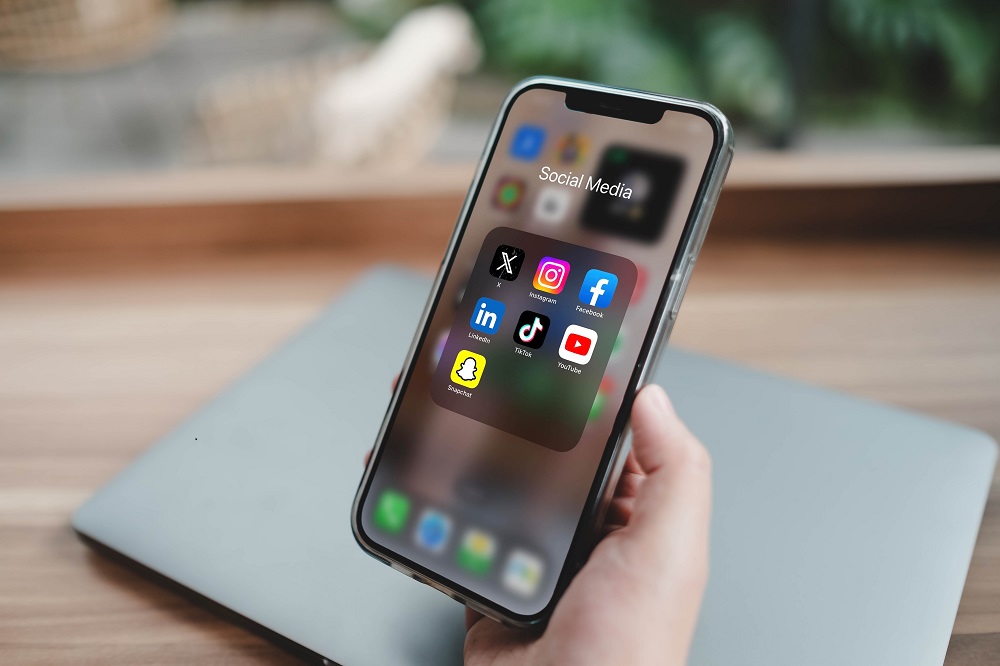
The UK are to follow Australia's approach in raising the minimum age to 16 for platforms including Instagram, TikTok, Facebook, Threads, X, Snapchat, YouTube and Reddit. The UK are also expected to include romantic or sexual AI chatbots, and media reports have also suggested that children could be prohibited from chatting to strangers via gaming sites.
This comes as 116,000 people responded to the public consultation on the issue, making the second largest in history.
It showed that 83% of parents feel that the risks outweigh the benefits for children when it came to social media, while 91% also backed the minimum age of 16 being implemented on platforms before they can be made available to children.
However, 72% have said they would be concerned about their child being left out if these restrictions came into law.
Last week, Mr Starmer had also issued a three month ultimatum to Apple and Google, making it technologically impossible for children to take, share or view explicit images on their mobile phones.