
Ireland is set to witness one of the most significant solar eclipses in years this week.
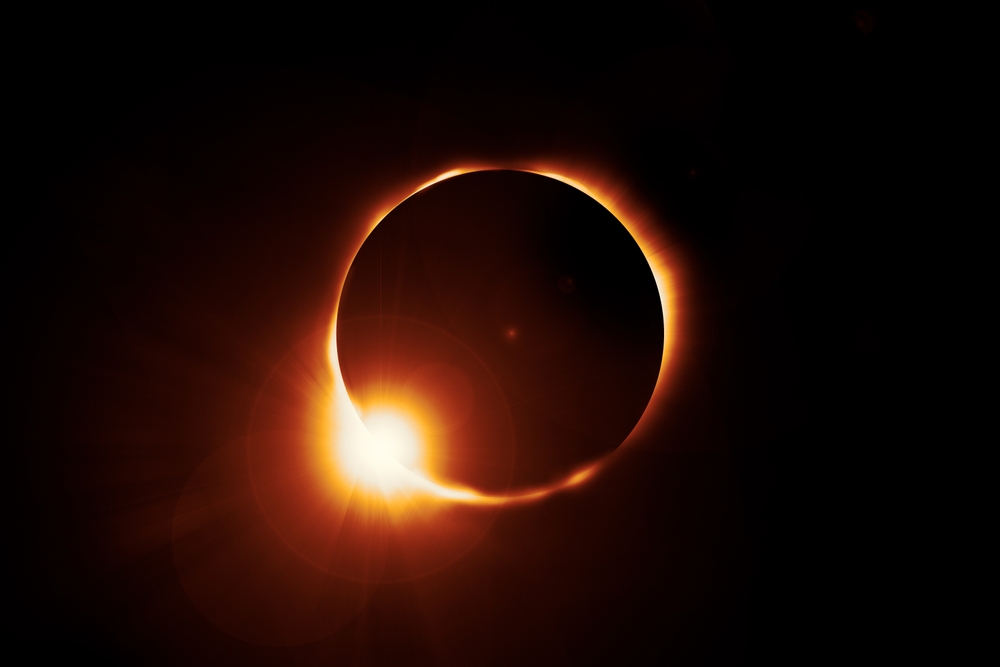
A deep partial solar eclipse will be visible across the country on Wednesday, August 12, with the Moon set to cover more than 90% of the Sun in many parts of Ireland.
The eclipse will begin shortly after 6pm, with maximum coverage expected just after 7pm.
In Dublin, the eclipse will begin at around 6.12pm. Maximum coverage will take place at around 7.10pm, when approximately 94% of the Sun will be covered. The eclipse will then end at around 8.05pm.
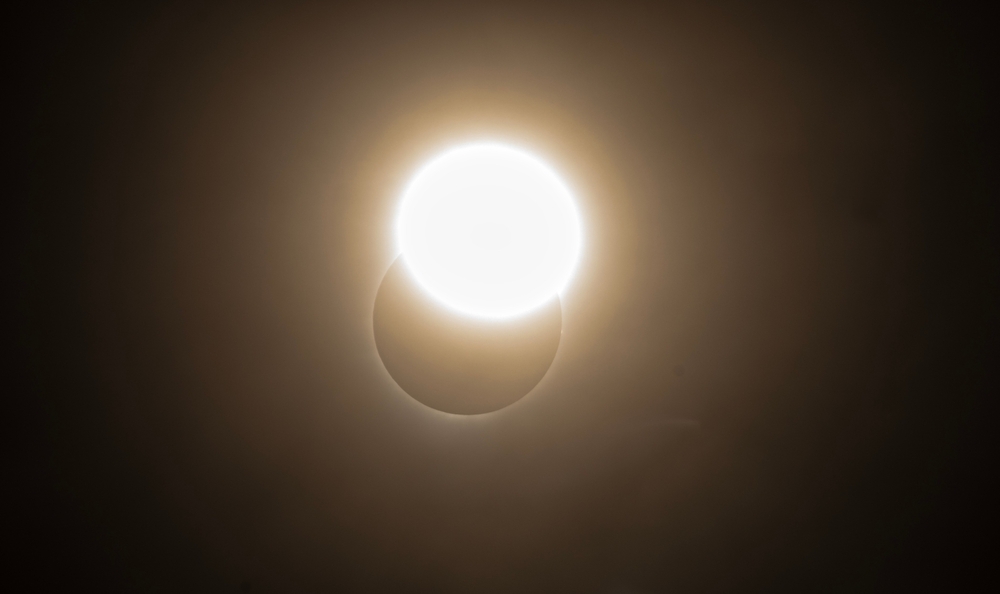
While the event will be visible across Ireland, the country will not experience totality.
That means the Moon will not completely cover the Sun from anywhere on the island, so the sky will not turn completely dark and the Sun's corona will not be visible.
Some parts of the country will see even greater coverage.
The west and south of Ireland will see up to around 96% or more of the Sun covered, while Dublin and much of the east and north will see around 94%.
The last significant solar eclipse visible from Ireland was in 1999.
Voir cette publication sur Instagram
Skywatching expert Dr Daisy Dobrijevic has shared five things people should look out for during the eclipse.
Dr Dobrijevic is the Skywatching Editor at Space.com, where she covers events including solar and lunar eclipses, meteor showers and auroras.
Her first tip is to look at the Sun itself, but only with the correct protection. At maximum eclipse, the Moon will cover most of the Sun, leaving a thin crescent of sunlight. Certified eclipse glasses are essential for anyone looking directly at the Sun.
Dr Dobrijevic's second tip is to look down at the ground. Tiny gaps between leaves can act as natural pinhole projectors during an eclipse. This can create hundreds of tiny crescent-shaped images of the Sun on the ground.
Her third tip is to watch the shadows around you. As the Sun becomes a thinner crescent, shadows can start to look unusually sharp or strange.
The fourth thing to look out for is a change in the light. The sky will not suddenly become dark because Ireland is outside the path of totality. However, the deep partial eclipse will reduce the amount of sunlight reaching the ground. Dr Dobrijevic says daylight can take on an unusual and eerie quality during a deep partial eclipse.
Her final tip is to pay attention to the temperature. As less sunlight reaches the ground, you may notice the temperature drop slightly during the eclipse. However, the most important thing to remember is to protect your eyes.
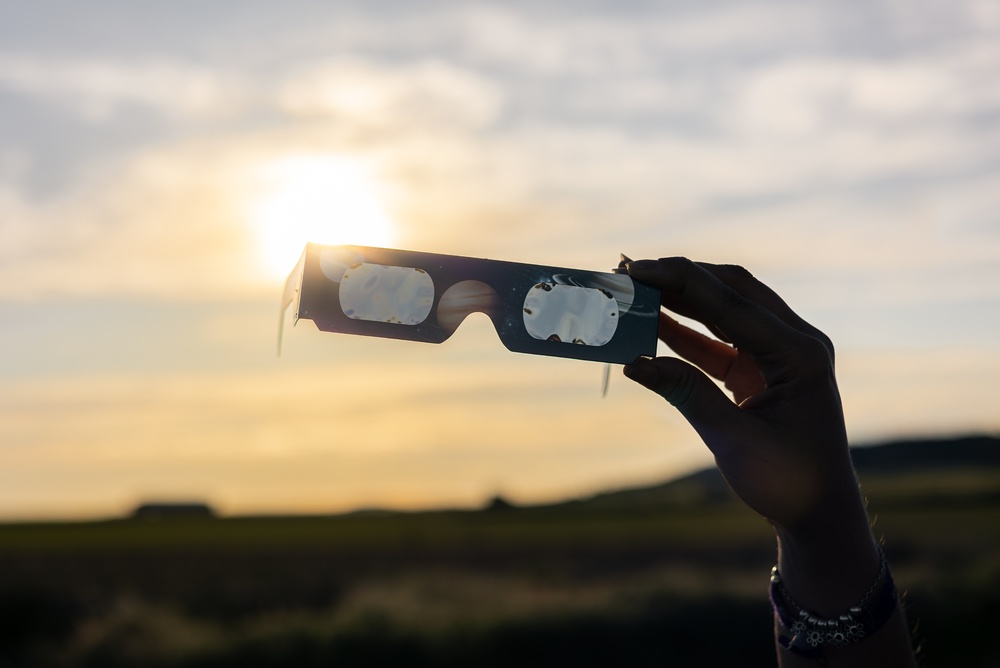
People should never look directly at the Sun without proper solar protection.
Ordinary sunglasses are not safe for viewing an eclipse. Looking at the Sun through sunglasses can cause serious and permanent damage to the retina, even if there is no immediate pain.
Certified eclipse glasses or viewers should be used throughout the entire eclipse.
Anyone using a camera, telescope or binoculars must also use specialist solar filters designed for viewing the Sun.
In Ireland, selected branches of Specsavers, Boots Opticians and other major optical chains may have eclipse viewers available, although stock levels can vary between stores and are expected to become increasingly limited as August 12 approaches.
Specialist retailers such as Astronomy Ireland are also worth checking, while science museums, observatories and astronomy visitor centres can be reliable places to find genuine eclipse glasses.
If ordering online, stick to established astronomy retailers or reputable science suppliers rather than unfamiliar third-party marketplace sellers, and check delivery dates carefully.
Counterfeit eclipse glasses have appeared on online marketplaces before, so always check that your glasses meet the international ISO 12312-2:2015(E) safety standard.
Specsaver. Alex Yeung, Shutterstock
The eclipse will be particularly low in the sky, so anyone hoping to watch it should try to find a location with a clear view towards the western horizon.
The weather will also play a major part in whether people can see the event.
If the skies are clear, Ireland will have a particularly impressive view of the partial eclipse.
Although it will not reach totality from land, the Moon will cover almost the entire face of the Sun in some parts of the country.
For those in Dublin, the key times to remember are 6.12pm for the start, 7.10pm for maximum coverage and 8.05pm for the end.