
The tax exemption under the Childcare Services Relief scheme is being increased by €5,000 to €20,000 in Budget 2027.
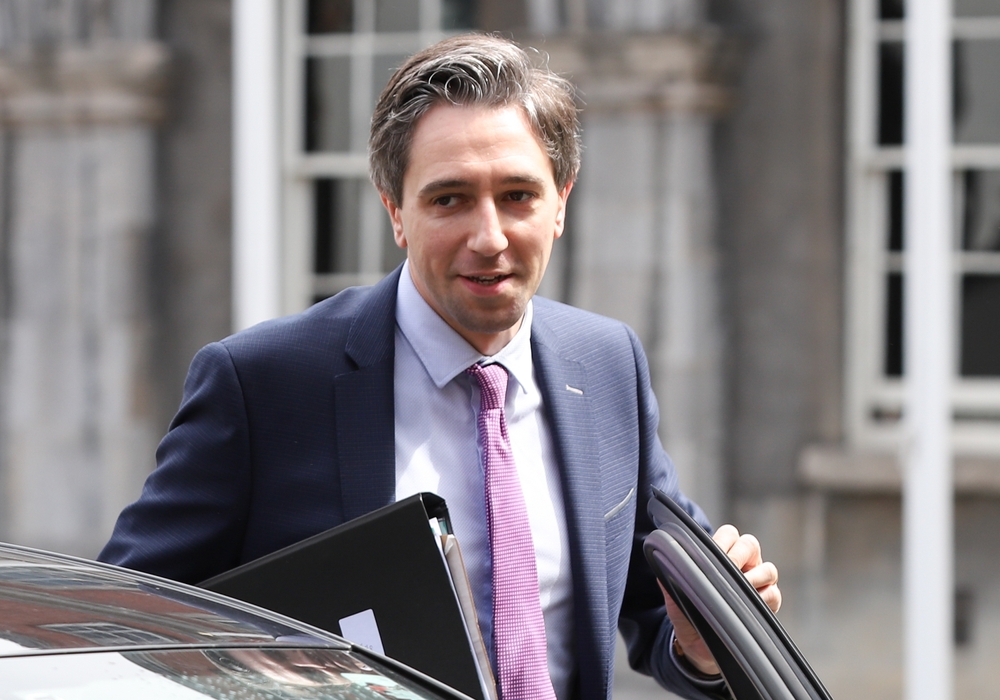
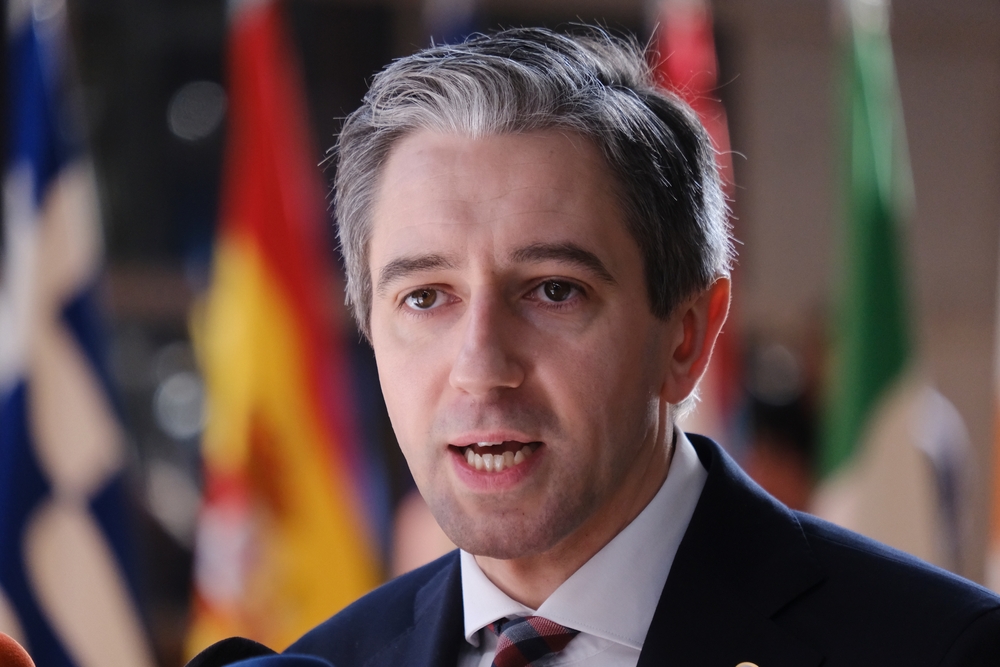
Tánaiste and Minister for Finance Simon Harris said the increase will provide greater flexibility for childminders. He also said Minister for Public Expenditure Jack Chambers will announce further changes to childcare costs.
A number of other measures affecting households have also been announced.
The Rent Tax Credit will increase by €150, bringing it to €1,150 for single claimants and €2,300 for couples. Harris said around 400,000 people currently benefit from the credit each year.
The maximum refund available to first-time buyers will also increase by €5,000 to €35,000.
The higher income tax threshold is being increased to €46,000, while the entry threshold for the 3% USC band will rise by €1,600 to €30,300. The employer PRSI threshold will increase to €600 per week for 2027.
Inheritance tax thresholds are also changing. The amount a child or grandchild can inherit tax-free will rise from €400,000 to €420,000.
The Group B threshold, covering siblings, nieces and nephews, will increase from €40,000 to €44,000, while the Group C threshold will rise from €20,000 to €22,000.
Reduced petrol and diesel excise rates will remain in place until 28 February 2027 before being gradually restored in four phases. Full restoration will take place by 30 June 2027.
The reduced NORA levy and enhanced Diesel Rebate Scheme will both continue until the end of December 2026.
Carbon tax on kerosene and natural gas will be reduced to €48.50 per tonne of CO2 and maintained at that rate for the lifetime of the Government.
The VRT relief scheme for electric vehicles will be extended for two years until the end of 2028, while VRT rates will rise by 1% on more polluting cars in bands 3 to 20.
The Cycle to Work scheme and TaxSaver scheme for commuters will also be reviewed.
The Government is additionally investing €1 billion in the Future Ireland Fund, with Harris saying a €6.7 billion surplus will be run next year to build up financial buffers.