
An independent review by the European Commission Joint Research Centre has found that while authorities responded quickly to Ireland’s largest recorded fish kill, significant improvements are needed in how major environmental incidents are managed.
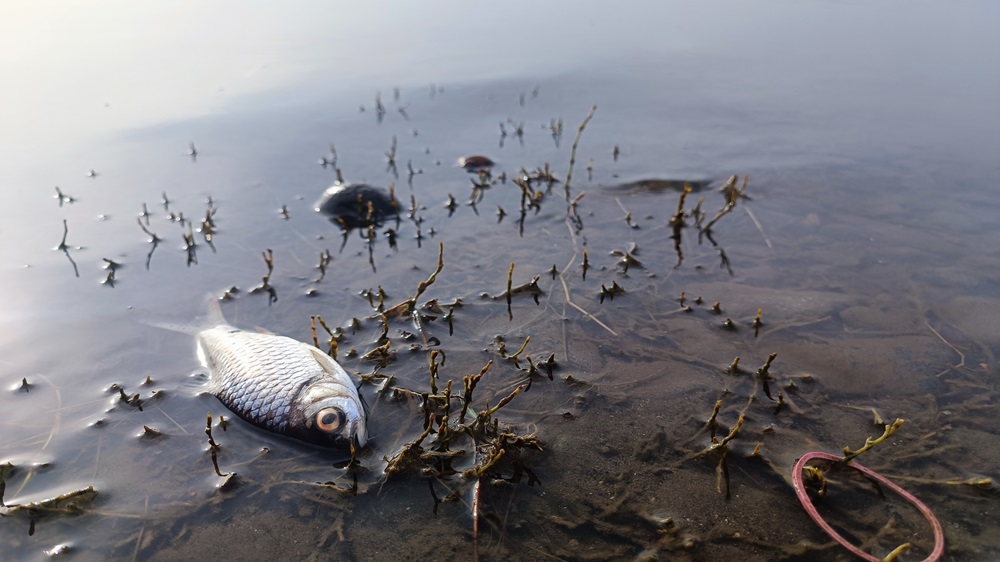
The report examined the mass fish kill on the Blackwater River near Mallow last August, which resulted in the deaths of an estimated 42,000 fish and caused widespread shock locally and nationally. Despite extensive investigations, the pollutant responsible and its source remain unidentified.
According to the findings, State agencies, including Inland Fisheries Ireland, Cork County Council and the Environmental Protection Agency, reacted within hours of being alerted. Investigations continued for weeks and involved habitat inspections along the main river and tributaries, water and macroinvertebrate sampling, and examinations of licensed industries, businesses and farms across the catchment.
However, the report highlighted shortcomings in coordination and communication between agencies. It pointed to a “detection gap”, where short-lived pollution events may dissipate before being detected, limiting enforcement and investigative outcomes.
Among its key recommendations is the creation of a new multi-agency protocol for handling major fish kills. This would include comprehensive river sampling and inspections of discharge facilities throughout affected catchments. The report also calls for continuous monitoring of rivers longer than 100 kilometres, with both real-time and historical data made publicly accessible online.
Enhanced public communication is another priority. The review recommends a strategy to quickly inform communities about fish kill incidents, clearly outline uncertainties, detail investigative steps and provide immediate public health advice.
Ongoing monitoring of the Blackwater and its tributaries should be intensified, the report states, given that the cause has not yet been identified. It also urges further research into high-risk areas for fish kills and the economic costs associated with such events, alongside strengthened habitat quality and water flow improvements to meet environmental targets under the EU Water Framework Directive.
Minister of State for Fisheries and the Marine Timmy Dooley described the recommendations as practical and forward-looking. He confirmed that an inter-agency protocol group has been established to strengthen cooperation, with work expected to conclude by the end of March. A pilot project in the Blackwater catchment is also being explored to test the proposed measures before any national rollout, with community involvement central to the approach.