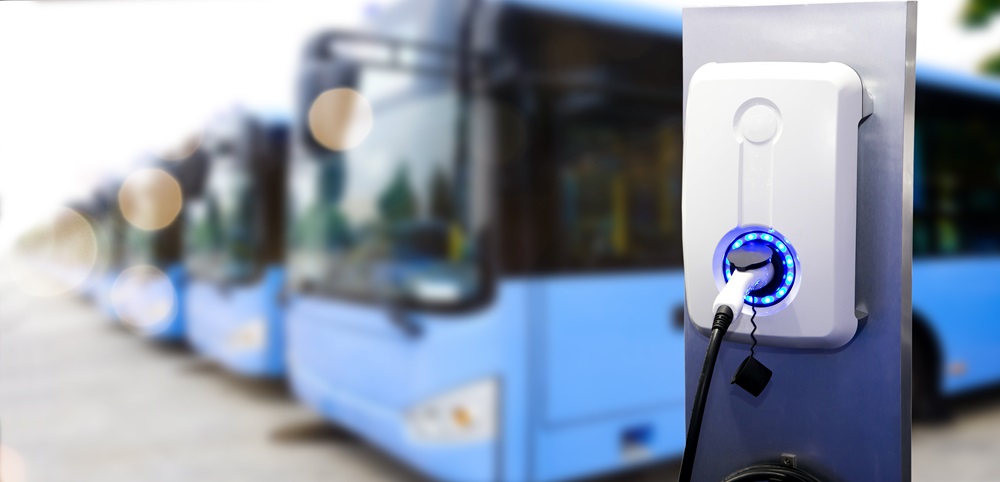
A total of 132 electric buses are currently out of service because there are not enough charging points available, according to information provided by the National Transport Authority (NTA).
The issue was raised by Public Accounts Committee chair John Brady, who said the figures were revealed through correspondence with the NTA. The authority confirmed that 85 double-deck battery-electric buses intended for Dublin, along with 47 buses for Galway and Limerick, have completed manufacturing but cannot yet join active fleets due to insufficient charging infrastructure.
Brady strongly criticised the situation, claiming there appeared to have been an effort to minimise the seriousness of the problem. He described the NTA’s explanation as inadequate and said the delays were unacceptable, particularly as some buses are not expected to become operational until 2027.
He also questioned why different local authorities were taking different planning approaches. Brady pointed out that Limerick had introduced exemptions to speed up the installation of charging facilities, while Galway City required a full planning process despite similar legislative exemptions appearing to exist. He proposed writing to Transport Minister Darragh O’Brien for clarification and also seeking further details from the NTA on future bus orders, delivery timelines and lessons learned.
People Before Profit TD Paul Murphy also criticised the authority’s reasoning. He referred to NTA correspondence stating that ordering electric buses can take between one and two years, with deliveries under a single contract often spread over a further year. The NTA said this made it difficult to perfectly coordinate charger installation with manufacturing schedules and noted that similar issues have arisen internationally during fleet electrification.
Murphy rejected that explanation, arguing it would be better to have charging points ready before buses arrive rather than have completed buses sitting unused.
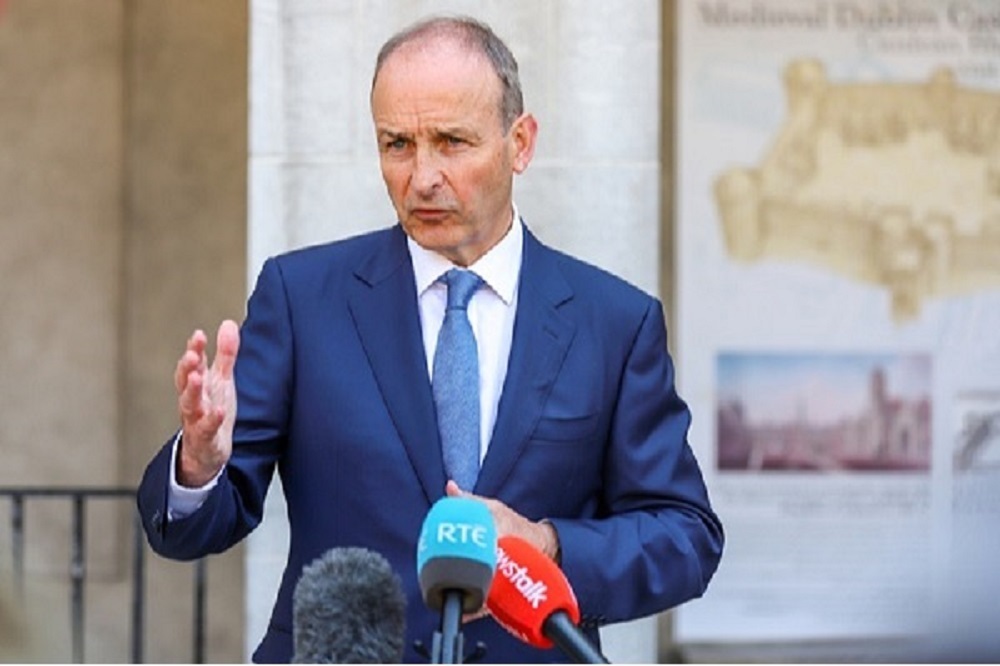
Speaking on Newstalk, Transport Minister Darragh O’Brien admitted the situation was unsatisfactory. He said delays occurred because charging systems at some depots required upgrades, creating a backlog. However, he said he expects most of the buses to be in service by the third quarter of this year, with some entering operation as early as next month.
In a statement, the Department of Transport said 16 of the 85 Dublin buses are currently being prepared for delivery and should begin operating soon. The rest are expected to enter service in Q3 once new charging infrastructure is installed at the Phibsborough and Harristown depots.
Four buses are also being prepared for Galway, while another 43 are due to enter service from the final quarter of the year. Officials said more than 250 battery-electric buses are already operating nationwide, while diesel buses continue to cover services in the meantime.