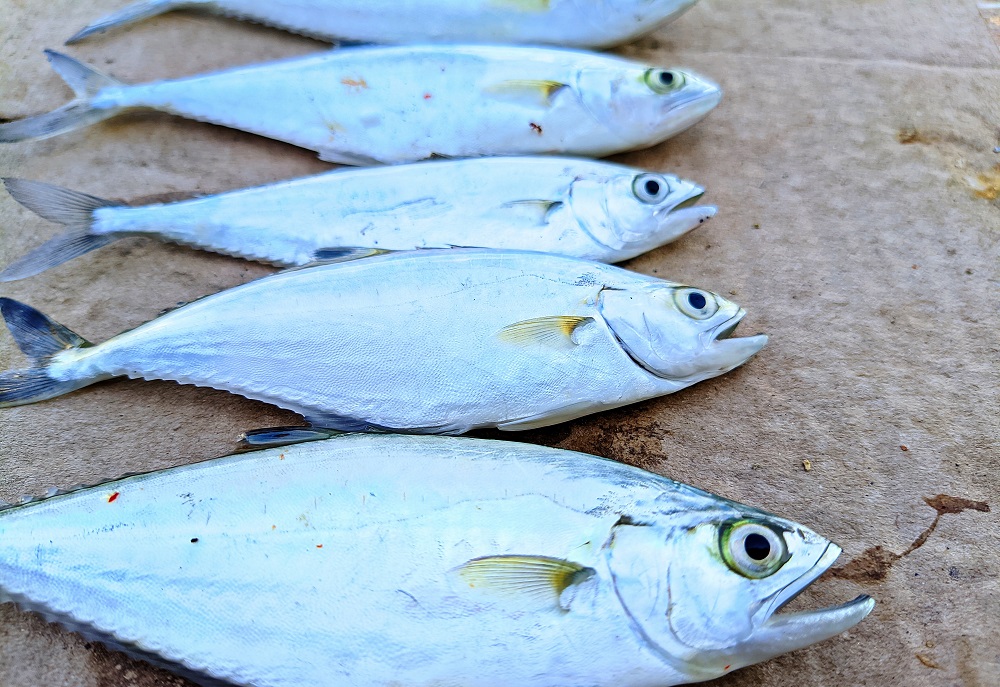

It has been estimated that more than 20,000 fish have been killed along Co Louth's River Glyde.
This was reported by the Inland Fisheries Ireland (IFI), who said the "harmful ecological event" in the Tallanstown area, was first discovered on Tuesday evening.
According to IFI's Eastern River Basin District Director, Ronan Matson, the cause of the deaths is "believed to be an agricultural discharge upstream of Tallanstown". This comes after the scene was inspected by IFI staff to "assess the damage" and a "a definite line of enquiry is being pursued".
Speaking recently, Mr Matson said: "Right now, you can see a few dead fish around Tallanstown".
"At this point now a lot of the dead fish will be washing down a bit further downstream, so even at Tallanstown you can see a few large trout caught in the reeds", he added.
Elsewhere, Mr Matson revealed there are other locations along the river where the number of dead fish is somewhere in the thousands, with "the current estimate is in excess of about 20,000 fish killed".
While the "majority" are minnow and stickleback, "all species, including salmon, trout, roach, pike, eels, perch" have been affected, according to Mr Matson.
"We've taken our water samples and sent them on to laboratories for testing," Mr Matson said, adding that the results will be awaited "to confirm the cause". He said the recovery of this river would "start immediately" as the pollution will "wash out relatively quickly".
Mr Matson continued: "But it can take a few years for the fish to come back, so if there's fish there that are two or three years old, it'll take two or three years for those fish to recolonise.
"The good news, I suppose, is upstream of the areas, where most of the spawning seems to be occurring, there could be good regeneration once the source is stopped, which we're confident it is", he added. "Recovery will start to happen immediately and there is probably going to be decent numbers of fry because those areas weren't impacted".