
Cambridge Dictionary has selected parasocial as its Word of the Year for 2025, highlighting the growing public fascination with one-sided relationships between audiences and the public figures—or even AI systems—they follow.
The dictionary defines parasocial as a connection someone feels with a famous person they do not know, a dynamic that has increasingly shaped modern fandom and online culture.
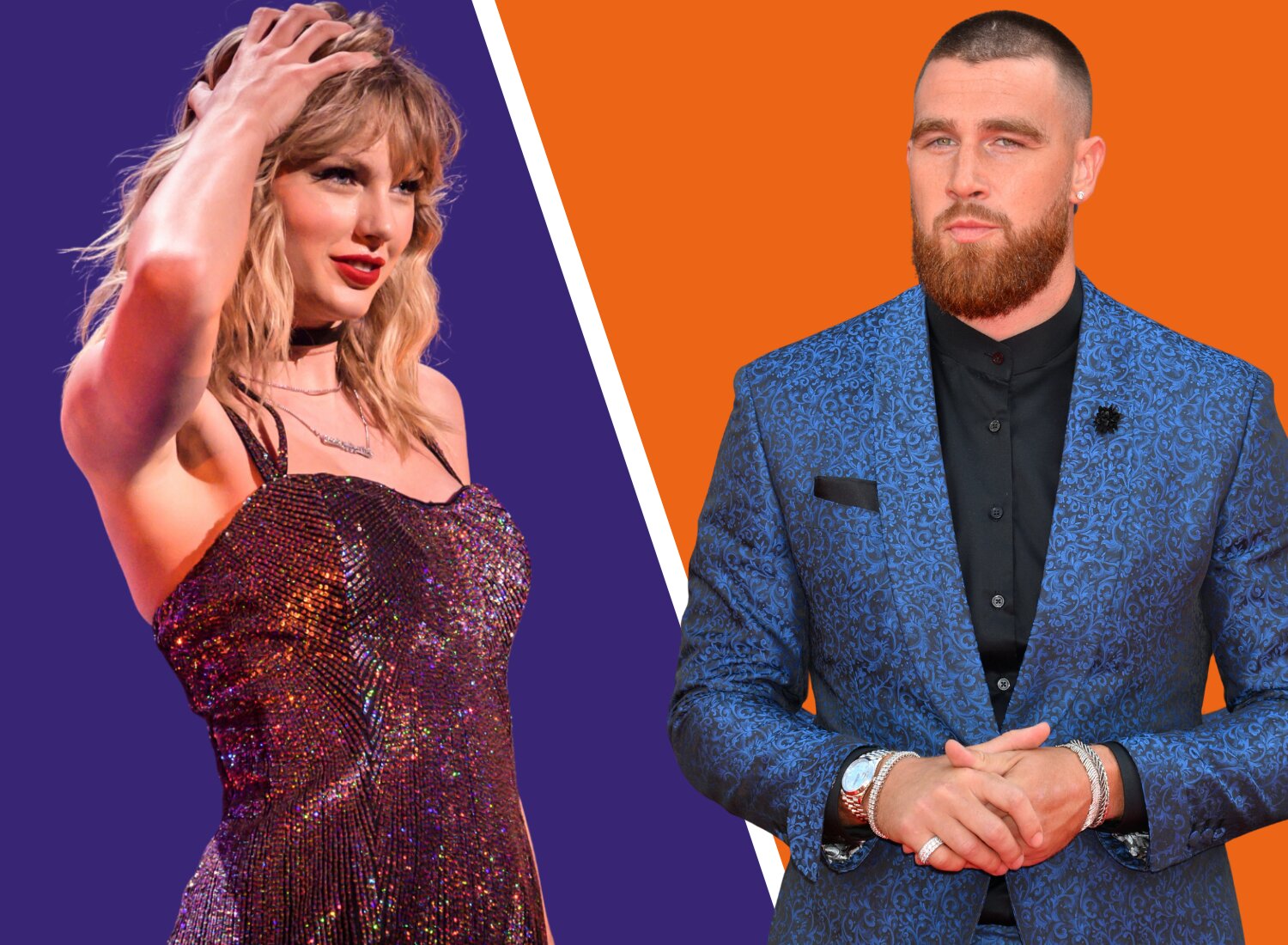
Recent examples include the intense parasocial interest surrounding Taylor Swift and American footballer Travis Kelce, whose engagement announcement prompted waves of emotional responses from fans. Cambridge editors also pointed to parasocial responses to Lily Allen’s West End Girl album and to the emerging trend of people treating AI chatbots as confidants, friends or even romantic partners.
Chief editor Colin McIntosh described the term as one that “captures the 2025 zeitgeist”, adding that “what was once a specialist academic term has become mainstream.” He noted that millions of people participate in parasocial relationships and that lookups for the word surged over the past year.
A term with deep academic roots
The word dates back to 1956, when University of Chicago sociologists Donald Horton and Richard Wohl observed that television brought actors directly into people’s homes, enabling viewers to form “para-social” bonds resembling real relationships.
Senior editor Jessica Rundell said the dictionary’s role is not to judge language but to track how it evolves: “We’re not here to judge what’s a good word or a bad word… it’s more if it stands the test of time and if people are using it all over the place.”
A modern shift in fandom and trust
According to psychologists, the rise of intense, one-sided relationships has redefined the nature of celebrity and online interaction. Simone Schnall, professor of experimental social psychology at the University of Cambridge, called parasocial an “inspired choice” for Word of the Year.
Schnall warned that “many people form unhealthy and intense parasocial relationships with influencers… treating them more like close friends, family or cult leaders.” As trust in traditional media erodes, audiences increasingly rely on individual personalities who feel familiar due to hours of consumed content.
There is, she noted, a healthier form of fandom—such as admiration for artists like Swift—but even this can spill into obsessive interpretations of lyrics and personal speculation.
Schnall added that parasocial bonds now extend to technology: “Parasocial trends take on a new dimension as many people treat AI tools like ChatGPT as ‘friends’, offering positive affirmations, or as a proxy for therapy.”
Culture shifts reflected in new dictionary entries
Alongside parasocial, Cambridge Dictionary added 6,000 new words this year, including “delulu” (a play on delusional), the internet meme word “skibidi”, and “tradwife”, shorthand for traditional wife.
McIntosh said the widespread use of parasocial shows how quickly language evolves: “The language around parasocial phenomena is evolving fast, as technology, society and culture shift and mutate.”
With its blend of psychology, celebrity culture, and digital life, parasocial has become a defining term for how people connect—and misconnect—in 2025.