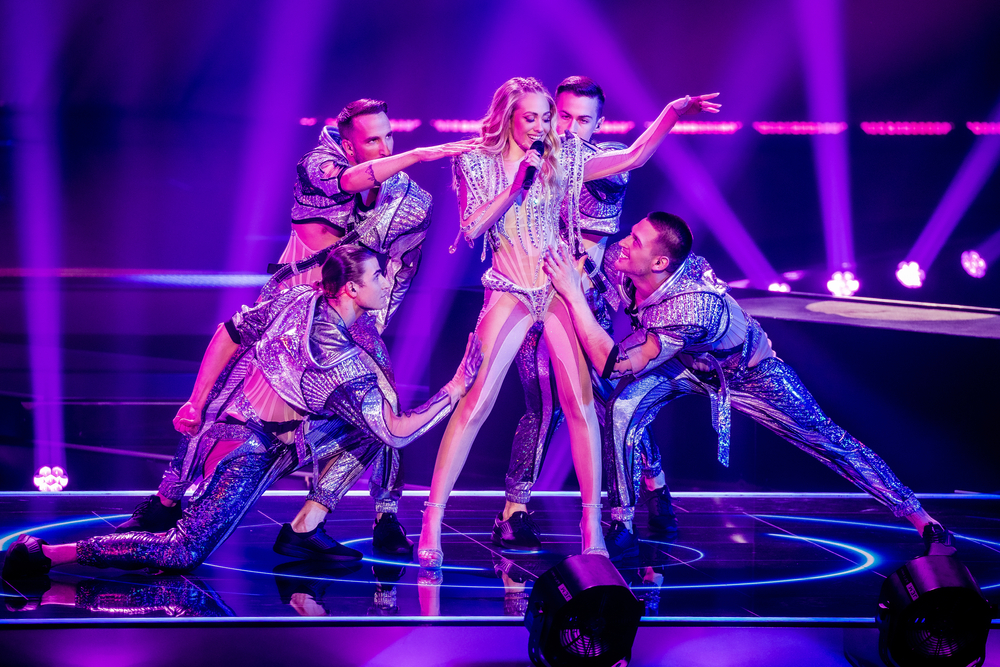

The Eurovision Song Contest 2026 is set to go ahead with its lowest number of participating countries in over two decades, as a growing boycott linked to geopolitical tensions casts a shadow over the landmark event.
A total of 35 countries will take part in this year’s contest in Vienna, marking the smallest line-up since the competition expanded in 2004.
Among those opting out are Ireland, Spain, the Netherlands, Slovenia and Iceland, all of whom have withdrawn in protest at Israel’s participation amid the ongoing war in Gaza.
Despite the reduced field, the contest remains one of the world’s biggest live television events, with 95,000 tickets sold to fans travelling from 75 countries. Organisers say international interest remains strong, particularly from audiences in the United States, Australia, Brazil, Japan and South Africa.
The 70th edition of the competition will unfold across two semi-finals before the grand final at Vienna’s Wiener Stadthalle, with bookmakers currently tipping Finland, Greece, Denmark, Australia and France among the frontrunners.
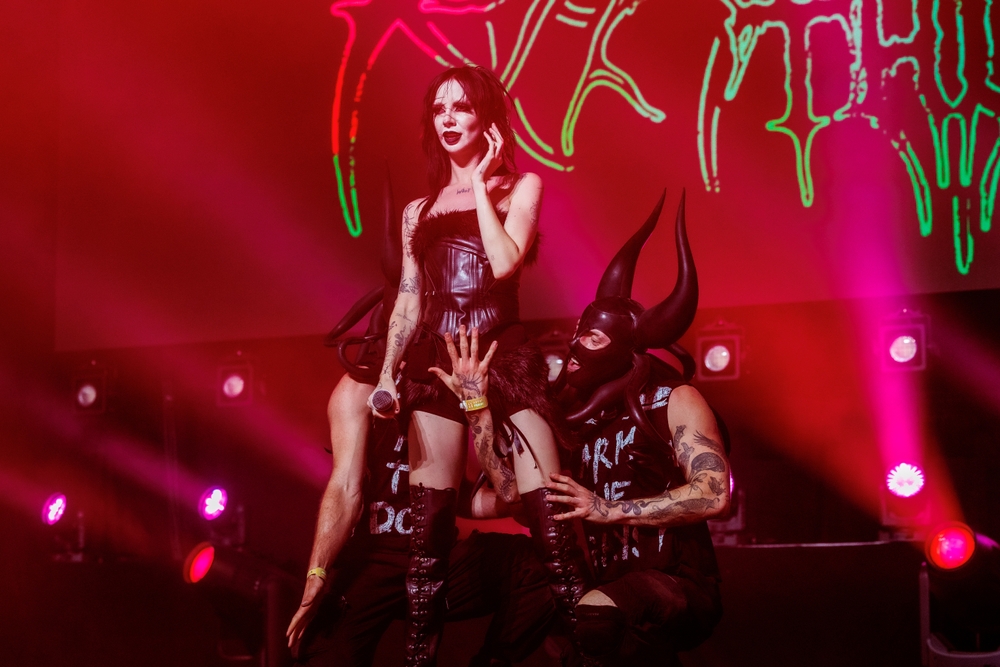
Bambi Thug was Ireland's 2024 Eurovision entry. Ben Houdijk Shutterstock
For Irish viewers, the absence of Ireland from the competition marks a significant moment, given the country’s long and successful history in Eurovision.
The decision to withdraw places Ireland among a group of nations taking a political stand, alongside several other European broadcasters who have opted out this year.
The boycott has also been echoed within the music industry, with more than 1,000 artists calling for action, while protests are expected to take place in Vienna during the event.
Demonstrators have criticised Israel’s inclusion, arguing that the contest should not provide what they see as a platform during an ongoing conflict.
At the same time, organisers have reiterated Eurovision’s long-standing position as a non-political event. Updated rules introduced in 2024 place responsibility on performers to avoid politicising their entries, with potential sanctions for those who break the guidelines.
View this post on Instagram
Still, controversy has become part of the Eurovision landscape in recent years, and the 2026 edition is no exception.
Security has become a major focus for organisers, with authorities in Austria describing the event as a “complex challenge” amid heightened global tensions.
Around 16,000 staff have undergone vetting procedures, while all equipment entering the venue has been subject to detailed screening. Officials have also pointed to the risk of cyber threats, with international cooperation in place to protect the event’s infrastructure.
The backdrop reflects a changing global environment since Austria last hosted Eurovision over a decade ago. Concerns around security have intensified in recent years, particularly following high-profile incidents across Europe.
Despite the controversy, Eurovision’s scale remains enormous. The 2025 contest attracted 166 million viewers worldwide, underlining the competition’s enduring appeal even during turbulent times.
As the show prepares to go on in Vienna, the combination of music, politics and public protest ensures that this year’s Eurovision will be remembered as one of the most contentious editions in its history—particularly for Irish audiences watching from the sidelines.