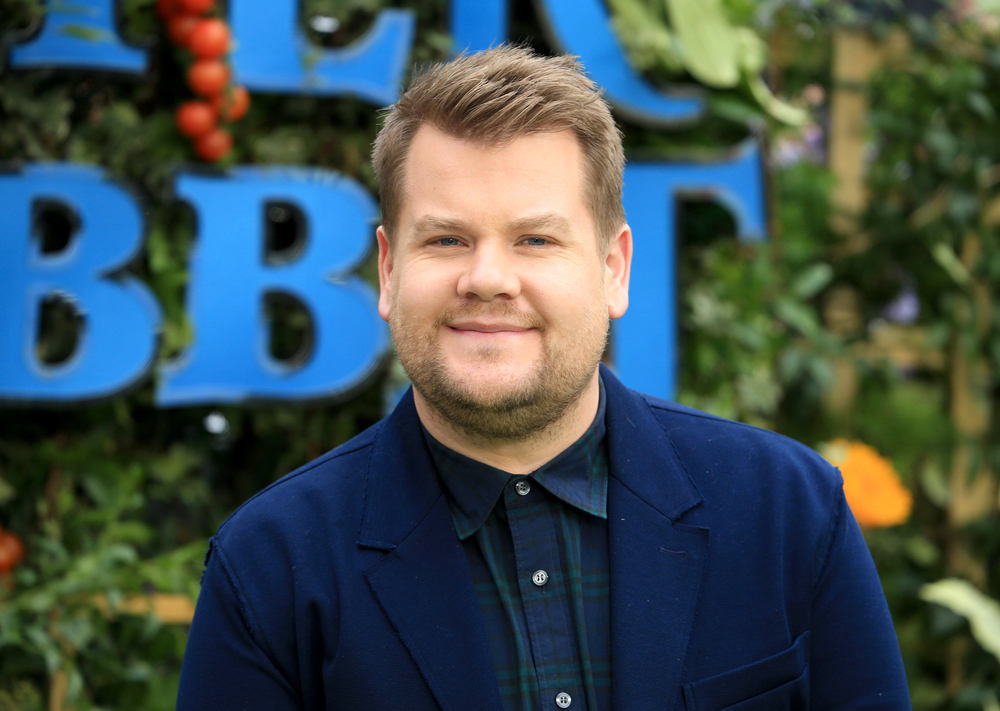

James Corden has revealed what he believes is the worst episode of Gavin & Stacey — and surprisingly, it comes from the show’s very first series.
Speaking at the BBC Comedy Festival in Liverpool, the actor and writer reflected on the hugely successful sitcom he co-created alongside Ruth Jones, admitting that the second episode of series one remains his least favourite.
The episode centres around a misunderstanding during a phone call between Gavin and Stacey, which leads Gavin to make a desperate trip to Wales in an attempt to repair their relationship.
Looking back on it now, Corden did not hold back with his criticism.
“It’s an awful episode,” he said.
“It’s a very, very, very bad half hour.”
Voir cette publication sur Instagram
Corden explained that the writers felt trapped creatively after ending the first episode on a romantic high point, with Gavin proposing to Stacey.
“We’d backed ourselves into a corner,” he admitted.
According to reports from the festival, Jones and the show’s director, Christine Gernon, agreed with Corden’s assessment of the episode.
However, he noted that the instalment did at least introduce one of the sitcom’s most beloved couples — Dawn and Pete Sutcliffe, played by Julia Davis and Adrian Scarborough.
Corden rose to fame playing Neil “Smithy” Smith in the BBC comedy, alongside Jones as Vanessa “Nessa” Jenkins. The series originally aired between 2007 and 2010 before returning for several hugely popular Christmas specials.
The final episode of Gavin & Stacey aired on Christmas Day 2024 and became a massive ratings success, drawing overnight viewing figures of 12.3 million. The finale, which saw Smithy finally marry Nessa, also broke records as the most-watched scripted programme across broadcasters and streaming platforms since modern audience records began in 2002.
Voir cette publication sur Instagram
Despite the show’s enormous success, Corden said timing and luck played a major role in how audiences connected with it.
“There will be people in this room that have made extraordinary television shows that for some reason it just doesn’t click in that moment,” he said.
“I think it’s really important sometimes to differentiate things that are good or successful.”
He continued: “We’re so programmed to think about success. Success is about timing, it’s about mood, culture. There is such an element of luck in it.”
“Shows can be brilliant and not necessarily find that audience, particularly comedy.”
Corden also used the discussion to call on television commissioners to give comedy series more time to grow, arguing that networks are often too quick to cancel new shows before audiences have had a chance to connect with them.
“Comedy, I think, is the only thing that can really create stars overnight,” he said.
“But audiences need time and they don’t want to be force fed.”
He added: “I really think we’re very quick to dismiss comedy shows now in a way that we didn’t used to be.”
“If you believe in something, just commission two series.”