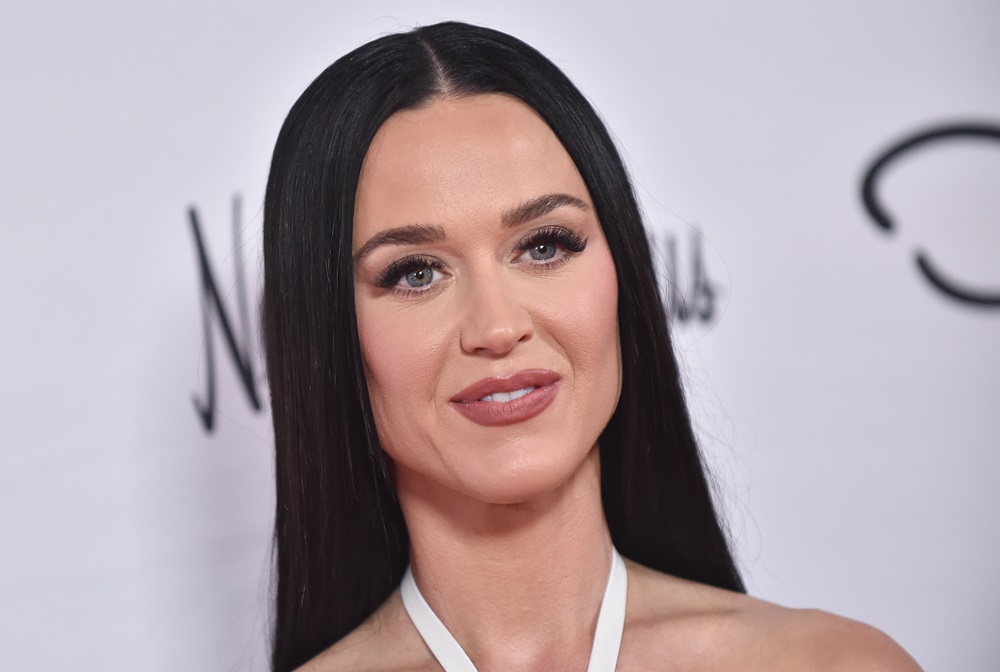
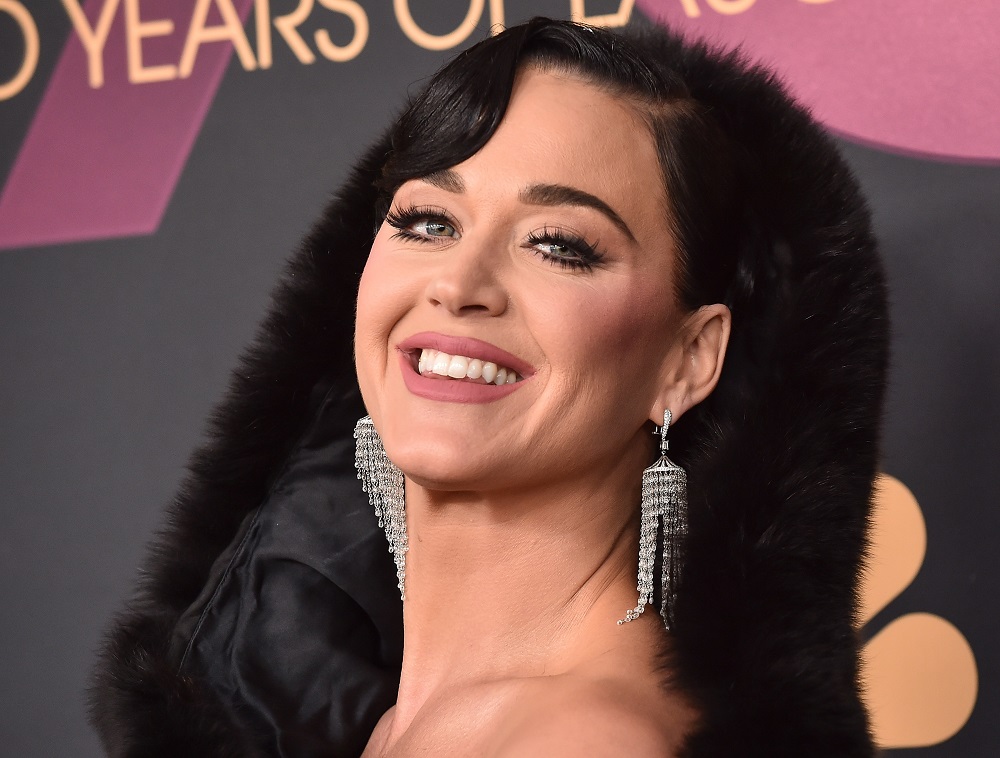
Katy Perry has become the latest artist to condemn the Trump administration after one of her biggest hits was used in an official White House social media video without her permission.
The singer spoke out after footage of recent US military strikes was shared online by the White House, accompanied by her 2010 anthem Firework.
Perry said she was shocked to see the song used to soundtrack scenes of military action, insisting it completely contradicted the message she intended when writing the track.
Taking to X, before later sharing the statement on her Instagram Stories, Perry wrote:
"I am deeply appalled and angry to see 'Firework' used on the @WhiteHouse TikTok account as a backing track for video footage of military strikes."
She continued: "I did not approve this, I was not asked, and I absolutely do not condone it.
"I wrote this song to be an anthem of hope, healing, and inner strength for people going through their darkest personal moments.
"To see a message of self-worth and upliftment weaponized to soundtrack destruction and violence is a complete violation of everything my song stands for. My music is for bringing people together, not celebrating warfare."
I am deeply appalled and angry to see “Firework” used on the @WhiteHouse TikTok account as a backing track for video footage of military strikes. I did not approve this, I was not asked, and I absolutely do not condone it.
I wrote this song to be an anthem of hope, healing, and…
Perry is the latest in a growing list of artists who have publicly criticised the Trump administration or Donald Trump's political operation over the use of their music in social media videos, campaign events and rallies.
Earlier this year, singer Kesha criticised the administration after her hit Blow was used in a White House TikTok featuring military aircraft and strikes. She accused officials of using her music to "incite violence and threaten war" and called the video "disgusting and inhumane."
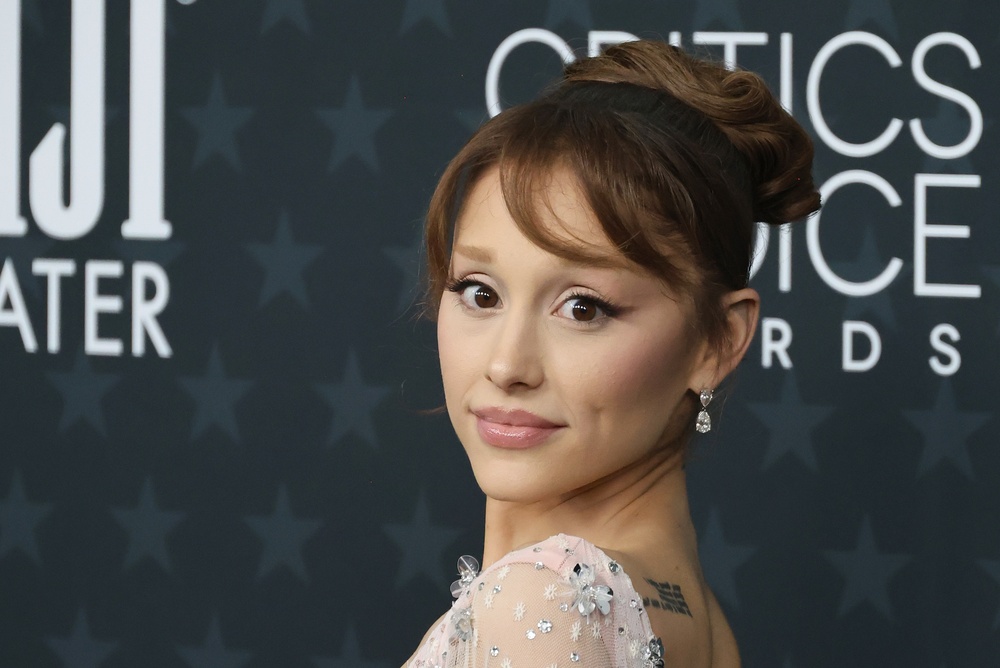
Ariana Grande also hit out after the White House used her song bye in a TikTok promoting ICE deportations. The singer urged officials to stop using her music, writing: "Do not ever use my music again," and describing the video as "barbaric."
Ariana Grande. Joe Seer, Shutterstock
Alternative rock band Semisonic objected after their 1998 hit Closing Time was used in a White House deportation video. The band said they had not authorised the use of the song, adding that it was intended to represent "joy and possibilities and hope" rather than immigration enforcement.
The issue extends well beyond the White House's recent social media activity. During Trump's political campaigns, a long list of artists have objected to their music being played at rallies or used in campaign materials.
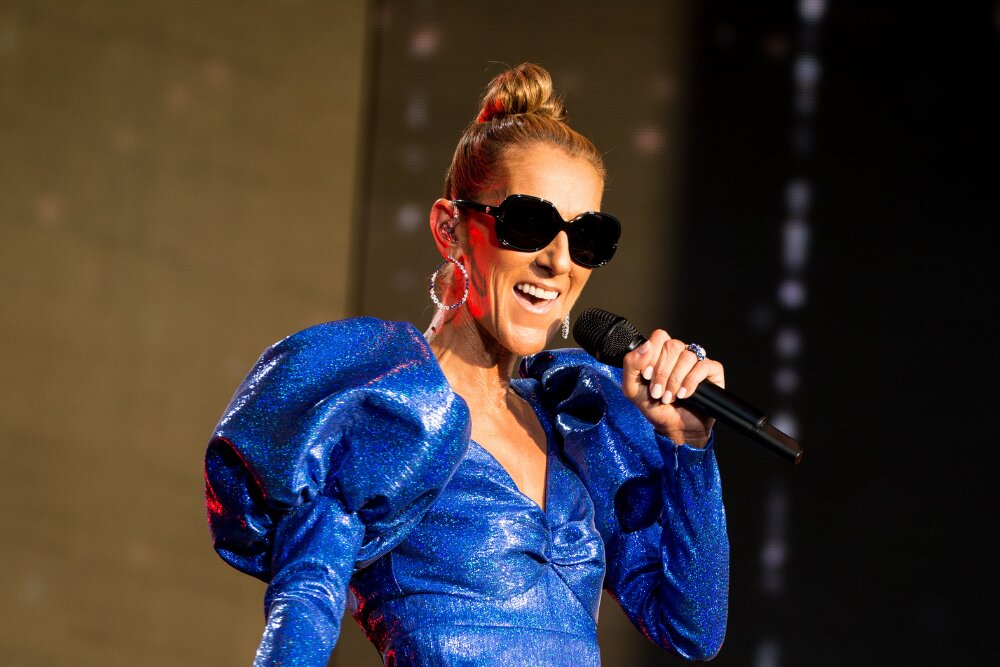
In 2024, Céline Dion's management and record label criticised the use of My Heart Will Go On at a Trump campaign rally, jokingly asking: "And really, THAT song?"
The estate of Sinéad O'Connor also demanded that Trump stop using Nothing Compares 2 U, saying the late Irish singer would have been "disgusted, hurt and insulted" by the association.
Beyoncé reportedly issued a cease-and-desist after her song Freedom was used in political content linked to Trump's campaign, while Sabrina Carpenter publicly criticised the use of one of her songs in a White House social media post, calling it "evil."
Olivia Rodrigo also objected after one of her tracks appeared in an official White House video without her permission.
The list of artists who have publicly opposed Trump using their music over the years is extensive. Bruce Springsteen, Neil Young, Rihanna, Pharrell Williams, The Rolling Stones, R.E.M., Guns N' Roses, Foo Fighters, ABBA, Adele, Queen, The White Stripes, Tom Petty's estate, Johnny Marr of The Smiths, and Isaac Hayes' estate have all spoken out or taken legal action after their songs were used at campaign rallies or political events.
The repeated disputes have highlighted the growing tension between artists and political organisations over the use of copyrighted music, with many musicians arguing that their work is being used in ways that conflict with the messages and values behind their songs.
For Perry, however, the issue goes beyond copyright.
Her response made clear that Firework was written as a song about resilience, hope and self-belief — not, she says, to accompany scenes of conflict.
"My music is for bringing people together, not celebrating warfare," she wrote.
Written by Louise Ducrocq
Louise is an expert content creator, and online author for Ireland's Classic Hits Radio. She's evolved in a few different fields, including mental health and travel, and is now excited to be part of the wonderful word of Radio.