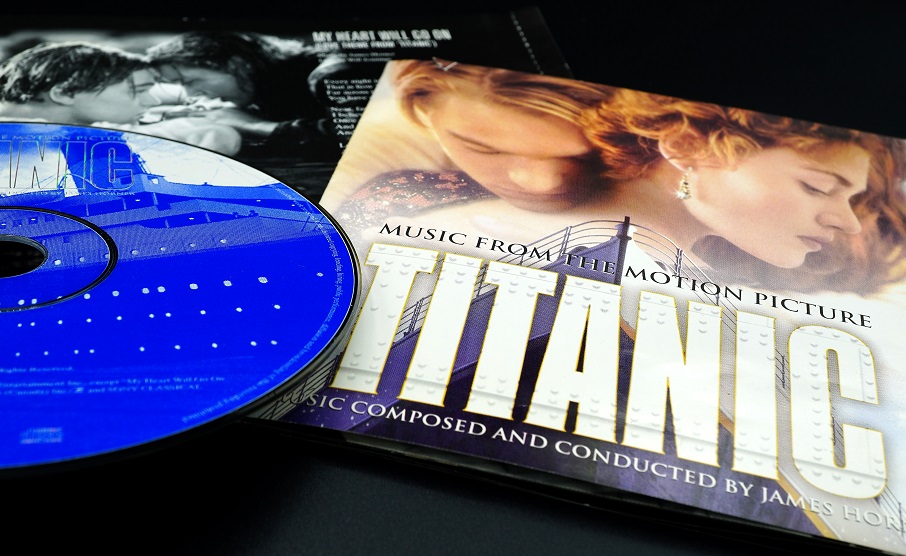

Today marks 28 years since the release of the music video for “My Heart Will Go On”, rather than the song itself. The anniversary offers a perfect moment to dive into the legacy of one of pop music’s most enduring ballads — and the film that made it a cultural touchstone.
The video, directed by Bille Woodruff, first appeared in late 1997, interweaving footage from James Cameron’s Titanic with images of Céline Dion singing, often on the deck of a ship or against misty ocean backdrops. The visuals helped cement the song’s emotional resonance, creating a link between lovers and loss, distance and longing. Over the years, the video has been remastered and reissued, including a special 25th anniversary version featuring previously unseen footage. Its haunting maritime imagery remains etched in the minds of listeners, just as the song’s refrain lingers in the heart.
Although the video is now 28, the story of “My Heart Will Go On” extends much further back. The song was composed by James Horner, with lyrics by Will Jennings. Originally, Horner had written it as an instrumental motif woven through the Titanic score. Director James Cameron initially resisted the idea of a lyrical ballad, but Horner pushed ahead and commissioned Jennings to pen words to the melody.
Céline Dion was among several artists considered for the vocal version. After some hesitation, she agreed to record it, resulting in what would become her signature track. The version that became the hit was later reworked with added production by Walter Afanasieff to give it orchestral sweep and a radio-ready edge.
When released, “My Heart Will Go On” dominated the charts globally. It debuted at No. 1 on the Billboard Hot 100, remaining in that position for two weeks, and held the top spot on the Hot 100 Airplay for ten weeks. Its sales crossed 15 to 18 million copies worldwide, making it one of the best-selling singles ever. The song won the 1998 Academy Award for Best Original Song and earned multiple Grammys, including Record of the Year and Song of the Year. It also achieved enormous chart success in markets like Ireland, where it topped the charts and remained lodged in public memory for years.
The song and video would not be what they are without the film that inspired them. Titanic — released in December 1997 — recounts the tragic maiden voyage of the RMS Titanic in 1912, weaving fictional romance (Jack and Rose) into historical disaster. Its visual grandeur, emotional stakes and sweeping score made it one of the highest-grossing films ever.
Initially, James Cameron was reluctant to include a ballad at the end, preferring only orchestral score. Horner’s persistence and Jennings’s lyrics won him over. Once Dion’s version was presented, the film’s emotional crescendo gained a companion in the song, and Cameron ultimately accepted its inclusion.
In the years that followed, Titanic and “My Heart Will Go On” became deeply entangled in pop culture. The song is frequently used in tributes, musicals, covers and parodies. Sometimes its ubiquity even draws criticism — not least from Kate Winslet, who once joked she feels physically ill when the song plays because it follows her everywhere.
For many, “My Heart Will Go On” is not just a soundtrack song — it’s a vessel for memory. The anniversary of the video’s release is a reminder of how a single song can elevate a film, bridge generations, and lodge itself in the cultural consciousness. In Ireland, the song still plays at weddings, karaoke nights, radio tributes and in movie marathons.
Céline Dion continues to perform it in her live sets, often with emotional gravitas. In 2017, she delivered a stirring live version at the Billboard Music Awards, marking the 20th anniversary of Titanic, accompanied by an enormous crystal chandelier and clips of the film. Even after health and personal challenges, that song remains inseparable from her identity as an artist.