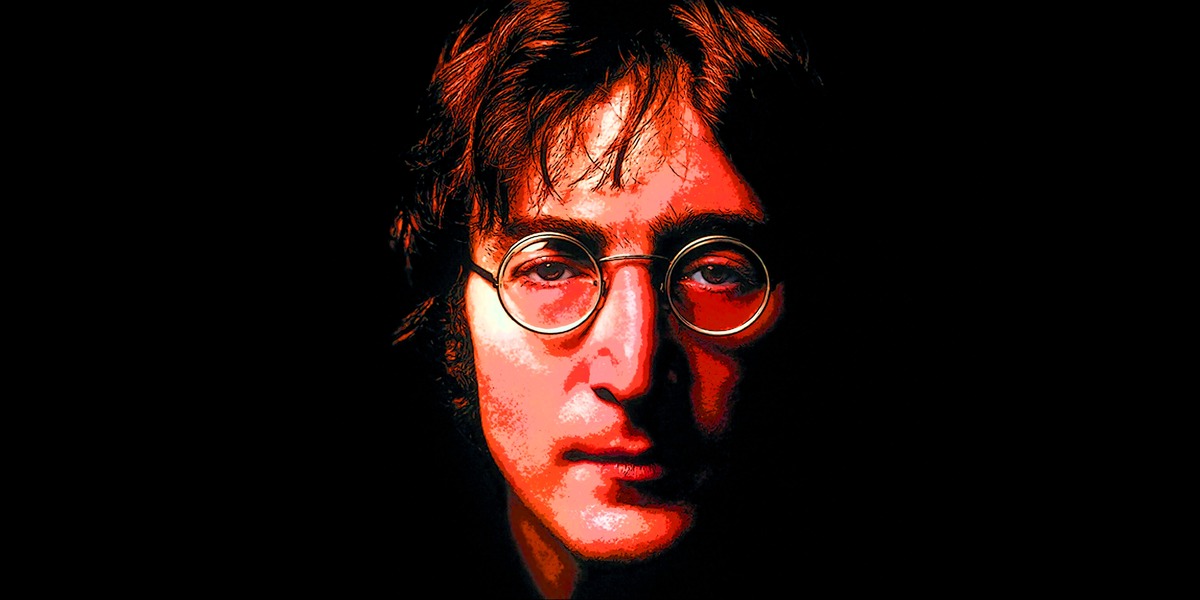

Few figures in popular culture carry the kind of gravitational pull John Lennon still commands. As a member of The Beatles, he helped reshape music in real time, first as part of a sharp-suited pop phenomenon, then as one of the central architects of rock’s psychedelic and political awakening. By the early 1970s, Lennon had lived a life few could comprehend: global adoration, unprecedented wealth, and a creative freedom that bordered on dangerous.
That perspective, hard-earned and deeply personal, is what makes a handwritten letter Lennon wrote in 1971 so striking, and so heartbreaking.
The letter was addressed to Steve Tilston, then a 21-year-old folk musician riding modest underground momentum following the release of his debut album An Acoustic Confusion. Tilston had recently appeared in an interview with ZigZag magazine, where he was asked whether sudden wealth and fame would damage his songwriting.
Tilston answered honestly: he thought it would.
Lennon disagreed.
According to Tilston, recalling the moment years later, “I thought it was bound to, but obviously John Lennon disagreed, and he wrote to me to point out the error of my ways.” What followed was a thoughtful, candid letter, unmistakably Lennon in tone, humour, and slightly chaotic handwriting, offering a corrective from someone who had already been to both extremes.
“Being rich doesn't change your experience in the way you think,” Lennon wrote. He continued: “The only difference, basically, is that you don't have to worry about money, food, roof, etc. But all other experiences, emotions, relationships, are the same as anybody’s.”
Then, in classic Lennon fashion, he undercut the seriousness with lived authority: “I know. I've been rich and poor. So has Yoko (rich, poor, rich). So whadya think of that.”
The letter was signed “Love, John & Yoko,” complete with doodles and, remarkably, Lennon’s phone number.
But Tilston never saw it.
Somewhere between Lennon’s New York address and Tilston’s life in the UK, the letter vanished. It was never delivered. Tilston carried on, unaware that one of the most famous musicians on the planet had taken the time to read his interview, disagree with him, and write back personally.
Decades later, in 2005, Tilston was contacted by a collector who had purchased the letter in the United States and wanted to confirm its authenticity. “He asked me to verify if I was the Steve Tilston who the letter was addressed to,” Tilston said. The truth only fully emerged publicly in 2010, when Tilston was asked to share something about his life nobody knew.
The emotional impact was profound. “I was in a maelstrom of emotions,” Tilston admitted. “Here was this road not traveled that could have been so significant in my life, and it had been taken without me even being aware of it.”
By then, Lennon had been dead for 30 years, murdered in 1980. Any possibility of reply, of dialogue, was gone.
The story later inspired the 2015 film Danny Collins, starring Al Pacino, but the real weight of the letter lies elsewhere. It is a reminder that Lennon, for all his fame, still believed in reaching sideways, not down, to other artists. And that sometimes the most life-changing advice arrives too late to change the life it was meant for.