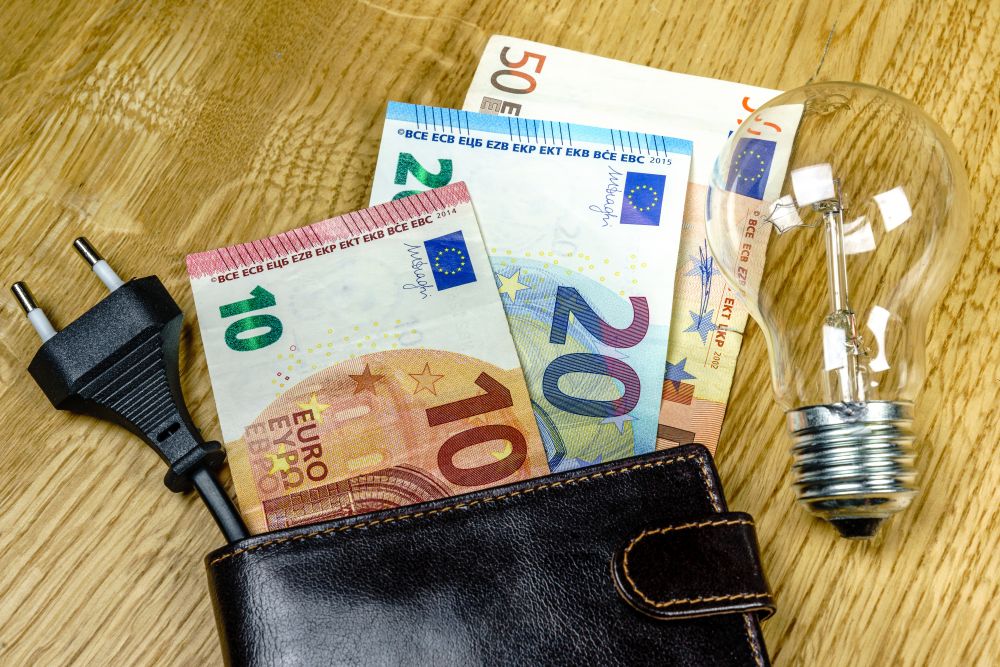
Darragh O’Brien has said the Government is bracing for increases in household energy costs, with electricity prices expected to rise by between 4% and 9% and steeper hikes likely for gas bills in the coming months.
The minister indicated that the increases could take effect between May and July, linking the anticipated changes to ongoing instability in global energy markets driven by conflict in the Middle East. He stressed, however, that the projected increases would remain below some higher estimates previously suggested.
Responding to remarks by Peter Burke that energy costs could surge by as much as 30%, Mr O’Brien said the situation would vary depending on suppliers’ strategies. “I’m not contradicting what Peter said at all. It depends on which retailers have their own hedging arrangements. For electricity, we’re not looking at increases in that sphere. It would be single-digit increases. We are looking at increases of between 4 to 9 per cent, depending on the provider. With gas it’s more than that, but not as high as 30 per cent,” he said.
Speaking on RTÉ’s This Week programme, Mr O’Brien said the Government is preparing for a range of scenarios and retains the option to introduce additional supports if required. “Every country in the world is grappling with supply. Thankfully, our supply here and our reserves are very robust… In relation to supply, we’re not ruling anything out at the moment. We’ve only just brought in additional measures with a €750 million total package, one of the most significant in Europe,” he said.
The minister also addressed recent disruption to Aer Lingus services, following reports that around 500 flights have been cancelled. He said the issue was unrelated to fuel shortages and instead linked to operational factors. “Aer Lingus has planned maintenance and that has meant small changes to their schedule, about 2 per cent of their schedule,” he said, adding that affected passengers are being rebooked on same-day flights.
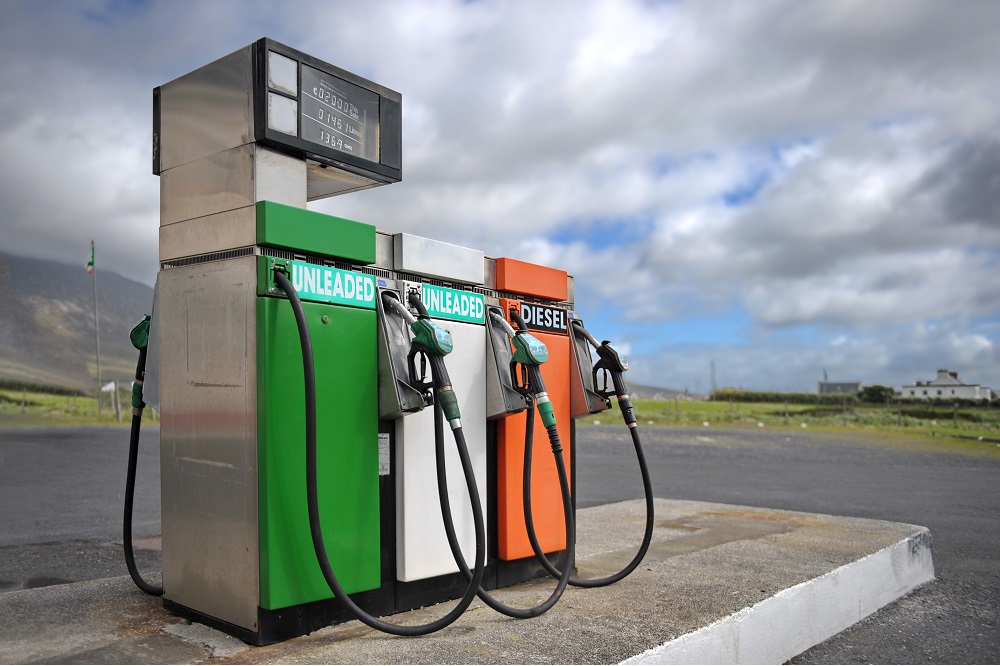
While ruling out supply concerns, Mr O’Brien acknowledged rising costs in aviation fuel. “We’re seeing increases in the price of jet fuel. So there are cost pressures there for airlines, and airlines will make commercial decisions, separate to Government. But what I’m saying to people is our supplies and our reserves here in Ireland are very robust, with a 70-day reserve,” he added.
On the political front, Mr O’Brien reaffirmed strong backing within Fianna Fáil for Taoiseach Micheál Martin. “I’ve been really clear on my position and the vast majority of my colleagues were fully supportive of the leadership of Micheál Martin, and we need that experienced leadership now more than ever,” he said.
He also commented on recent protests and disruptions, noting the pressure faced by public representatives. “This is probably the first very significant crisis that some of our first-time and newer TDs have seen… There has been a lot of pressure on TDs across the House, particularly those in Government,” he said. While defending the right to peaceful protest, he criticised more disruptive actions. “Genuine protest is something that I will always defend… but blockades, no, they are different,” he added.
Mr O’Brien reiterated that Ireland has experienced significant increases in fuel costs and warned that consumers could begin to see the impact in energy bills from early summer. “On electricity, we are not looking at increases in that sphere. It will be single-digit increases, but it again depends on the providers, but we are prepared for that,” he said.