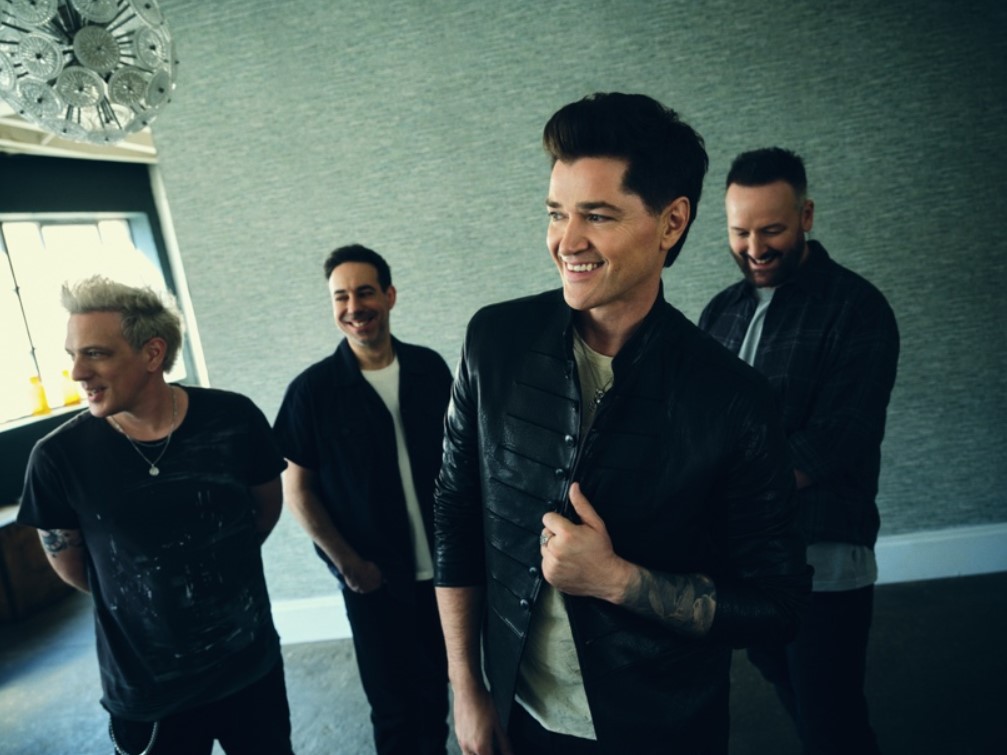

Irish musicians, songwriters and composers are gathering at Leinster House today to urge politicians to strengthen legal protections for artists as artificial intelligence continues to transform the creative industries.
The group is backing Sinn Féin TD Aengus Ó Snodaigh's Private Members' Bill, which is due to be debated in the Dáil this evening. The proposed legislation aims to strengthen copyright protections for Irish creators and ensure that the use of their work in AI systems is subject to clear rules around consent, licensing and payment.
The briefing is being organised by a coalition of organisations representing Ireland's music and screen industries, including the Irish Music Rights Organisation (IMRO), the Screen Composers Guild of Ireland (SCGI) and the Ivors Academy. They are being joined by a number of well-known artists, including The Script frontman Danny O'Donoghue and broadcaster and musician Tom Dunne.
Speaking ahead of the event, O'Donoghue said stronger protections are essential to safeguard the future of Irish songwriting.
"It’s vital that the Government backs us on this motion to protect Irish songwriters," he said. "We must stand up for creators who have dedicated their lives to this craft, which is the foundation of Irish culture. Artists deserve consent, fair pay and transparency when their work is used."
The campaign centres on concerns that generative AI systems are being trained using copyrighted material without permission or compensation for the original creators. Supporters of the bill argue that new legislation is needed to ensure artists retain control over how their work is used.
IMRO Chief Executive Victor Finn said a robust legal framework would provide certainty for artists while also supporting responsible innovation within the technology sector.
"The right legislation will benefit creators, responsible technology companies, cultural organisations and the wider public alike," he said.
The Screen Composers Guild of Ireland warned that unregulated generative AI poses a significant threat to composers working in film, television and other screen industries. The organisation stressed that the commercial use of copyrighted music should always require the permission of the copyright holder and the appropriate licence.
Campaigners are also calling on the Government to use Ireland's upcoming Presidency of the Council of the European Union to push for stronger protections for creators across Europe and to help develop a comprehensive regulatory framework for AI.
Former arts minister Catherine Martin, now Head of Policy for Ireland at the Ivors Academy, said Ireland has a unique opportunity to lead discussions on creators' rights during its EU Presidency.
Alongside stronger copyright protections, the campaign also calls for legislation guaranteeing fair remuneration, licensing rights, transparency and opt-out mechanisms for creators. The organisations are further urging continued public investment in human creativity, arguing that arts funding should prioritise artists rather than AI-generated content.