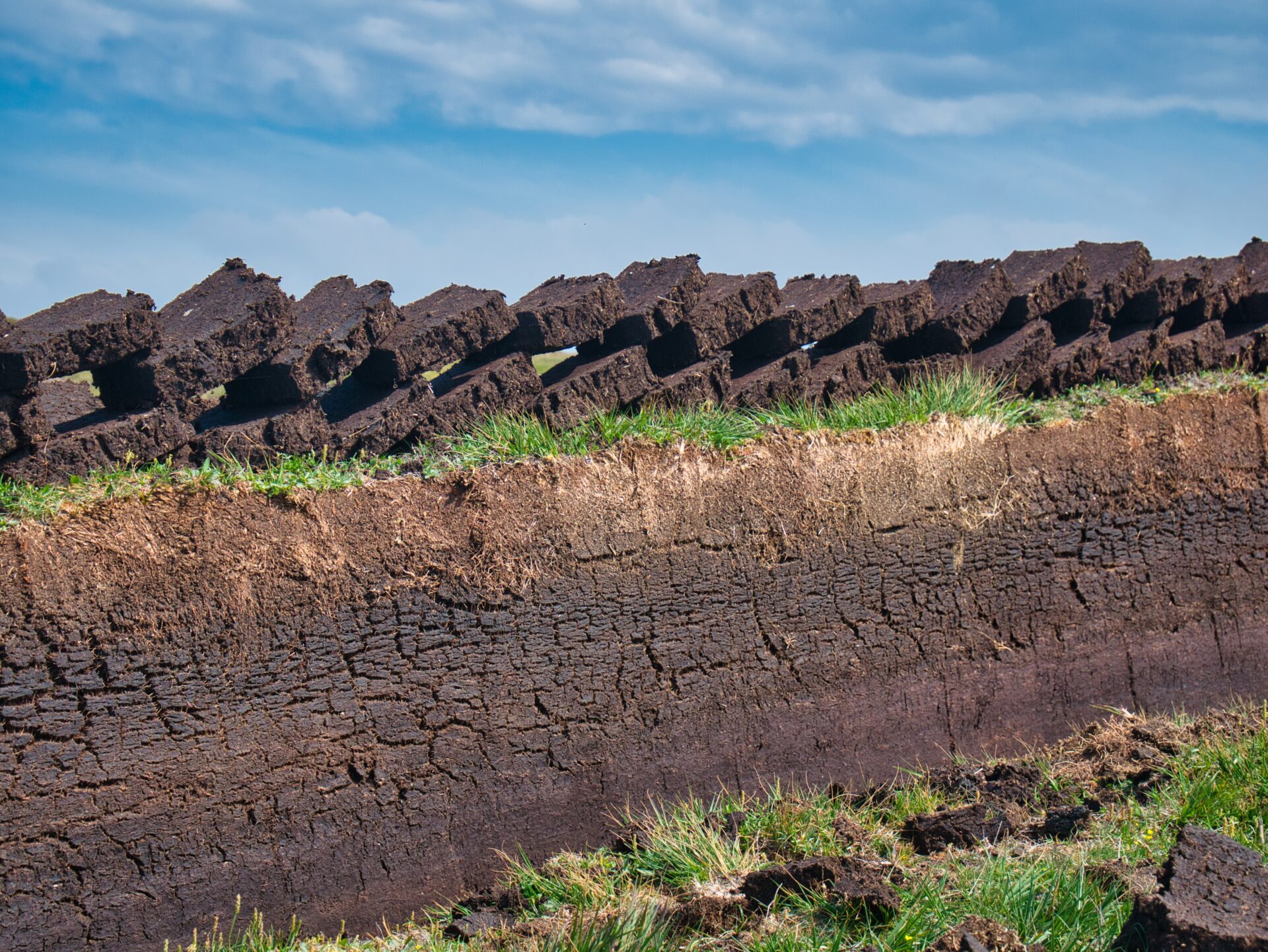

Large-scale commercial peat extraction is taking place illegally across seven counties in Ireland, according to a damning new report from the Environmental Protection Agency (EPA). The regulator has identified 38 unauthorised operations contributing to an export trade of 300,000 tonnes of peat annually, with an estimated value of nearly €40 million.
The EPA’s report, Large Scale Illegal Peat Extraction in Ireland, reveals that these operations are taking place without the necessary planning or environmental approvals, in clear breach of Irish environmental law. Counties affected include Offaly, Kildare, Tipperary, Westmeath, Roscommon, Longford, and Sligo.
Since 2021, the EPA has carried out 170 enforcement inspections and initiated several legal proceedings, including in the District and High Courts. These actions have led to the cessation of illegal activities on some peatlands, although a number of cases remain before the courts.
Despite these efforts, the agency has criticised local authorities for what it describes as “patently inadequate” enforcement. Under Irish law, local authorities bear the primary responsibility for regulating peat extraction, including ensuring compliance with Environmental Impact Assessments, planning regulations, and the protection of habitats.
Dr Tom Ryan, Director of the EPA’s Office of Environmental Enforcement, issued a stark warning:
“Operators engaged in unauthorised peat harvesting activities are in flagrant violation of environmental law. They are destroying our precious natural environments and this needs to stop.”
He described the environmental damage from unregulated peat extraction as “catastrophic,” citing the destruction of ecosystems, loss of carbon sinks critical to climate action, and damage to valuable cultural and scientific resources.
Dr Ryan also called out local authorities for failing to fulfil their regulatory role:
“Local authorities have been conspicuous in their lack of enforcement… They need to step up to meet their legal obligations and use the ample enforcement powers at their disposal.”
The report contrasts illegal operations with the formerly state-run peat company, Bord na Móna, which operated under EPA licences until ceasing peat harvesting in 2020. The company has since rehabilitated nearly 19,000 hectares of peatlands under the Peatlands Climate Action Scheme.
“Bord na Móna is an excellent example of where appropriate engagement with environmental regulations has worked,” said Dr Ryan, noting the successful transition from extraction to ecological restoration.
The EPA has pledged to continue monitoring and enforcing environmental law in relation to peat extraction and has formally directed local authorities to take action within their jurisdictions.