
More than 1 in 5 people in Ireland are estimated to carry the gene linked to haemochromatosis, a genetic condition often referred to as the “Celtic Gene”, as the Irish Haemochromatosis Association (IHA) warns that thousands may be living with undiagnosed iron overload.
The condition, which affects how the body absorbs iron from food, can lead to excess iron building up in vital organs such as the liver, heart, pancreas and joints, potentially causing irreversible damage if left untreated. Despite its prevalence, the IHA says haemochromatosis is frequently missed in its early stages because symptoms are often vague and mistaken for fatigue, stress or ageing.
During World Haemochromatosis Awareness Week (1st–7th June 2026), the organisation is urging the public to recognise early warning signs and seek testing sooner. It highlights that Ireland has one of the highest rates of the condition globally, with around 1 in 83 people genetically predisposed to developing iron overload.
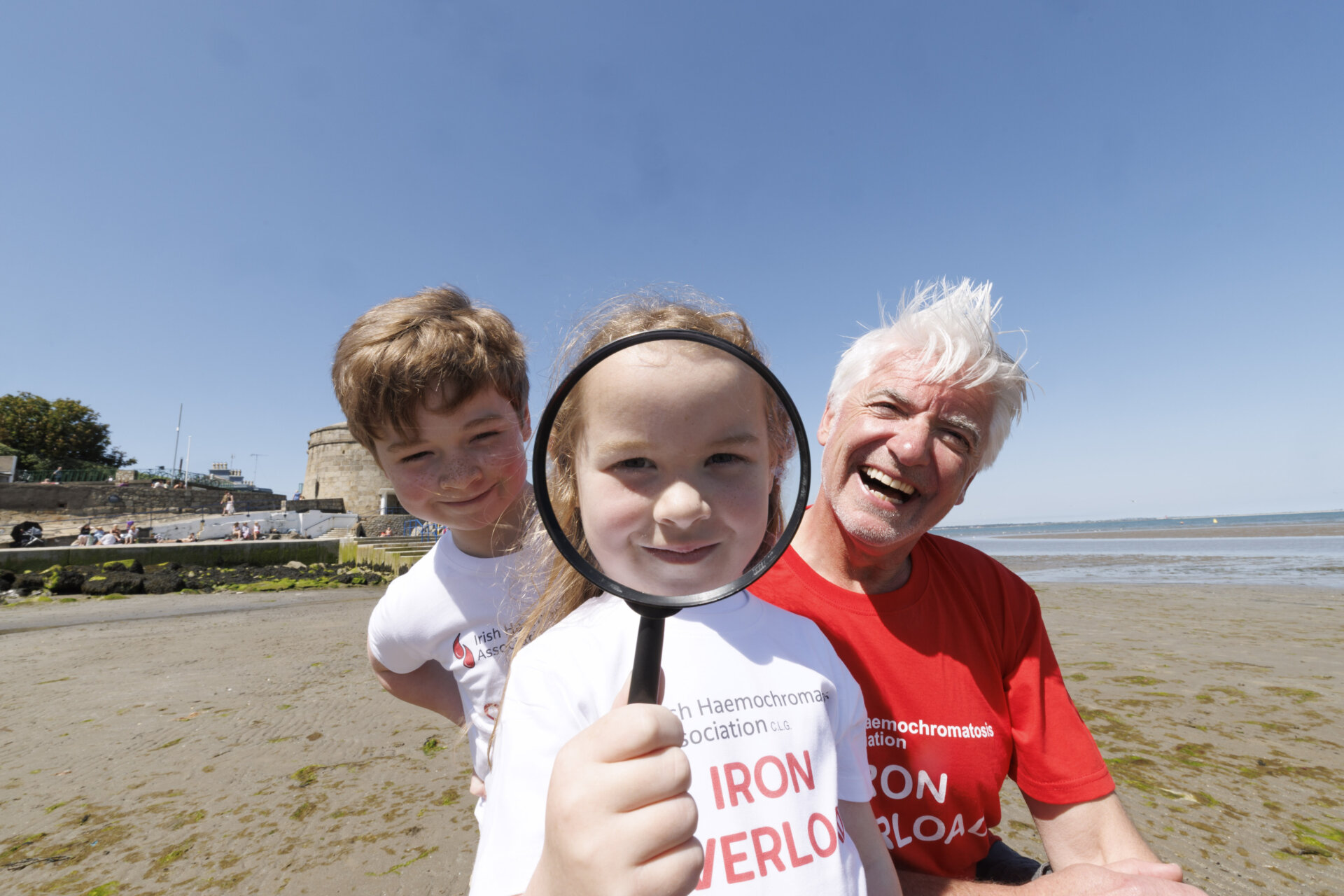
Teddy Eustace (8) and Emilia Eustace (5) alongside campaign supporter living with haemochromatosis Alice Kelly. Picture Andres Poveda
The IHA describes haemochromatosis as Ireland’s most common genetic condition and warns that early symptoms can include persistent tiredness, abdominal discomfort, brain fog and joint pain — particularly in the knuckles, sometimes referred to as the “iron fist”. Left untreated, the condition can progress to serious complications including liver disease, diabetes and heart problems.
New research has also identified regional “hotspots” of genetic risk across Ireland, with the highest concentrations found in the north-west, further underlining the importance of awareness and early screening.
Speaking about the importance of early diagnosis, consultant hepatologist Professor John Ryan said: “The key message is that once haemochromatosis is diagnosed, it is highly treatable. It may be frequently missed because early symptoms are so non-specific, but we have the tools to diagnose this early and prevent complications.”
He added that increased collaboration and research are helping to improve outcomes, highlighting upcoming international work in Dublin aimed at advancing understanding of the condition.
Professor Suzanne Norris, consultant in hepatology and gastroenterology, also stressed the importance of early detection, saying: “Early diagnosis of haemochromatosis is vital, which is why serious complications as a result of haemochromatosis can be avoided if a patient is diagnosed as early as possible.”
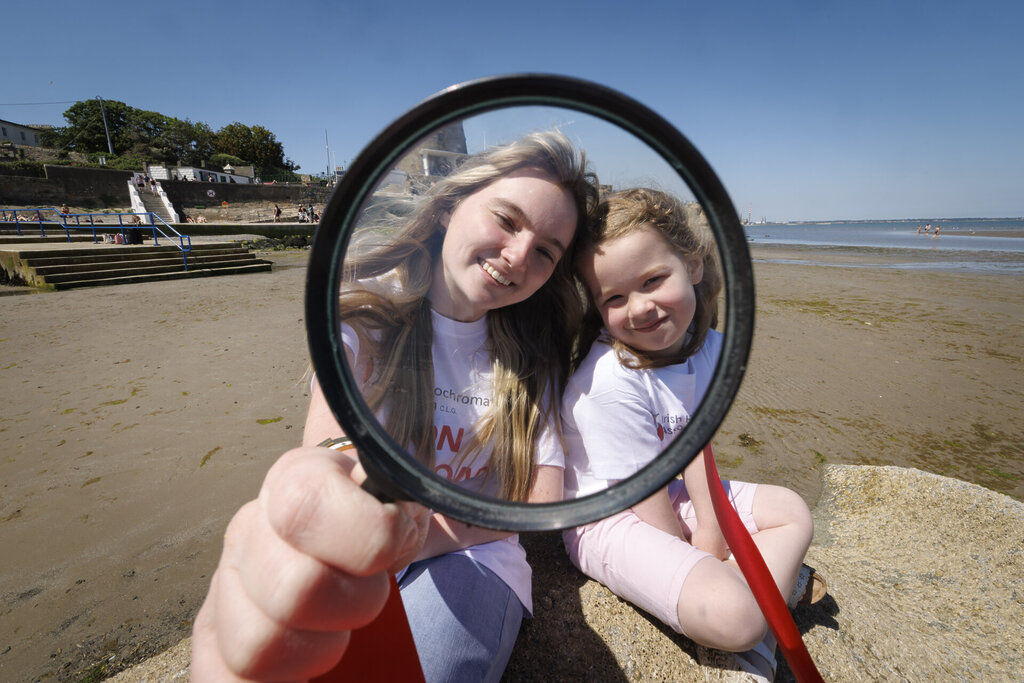
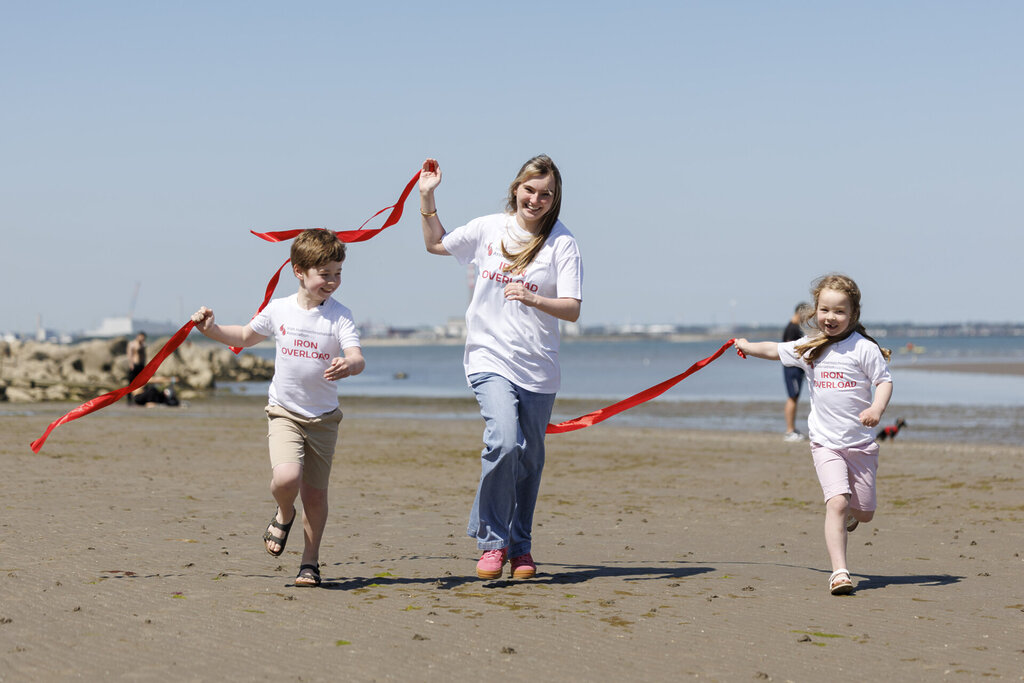
Emilia Eustace (5) and campaign supporter living with haemochromatosis Alice Kelly. Picture Andres Poveda
The campaign also focuses on lived experience. IHA voluntary board member Brian Keegan, who lives with the condition, said: “Too often, people don’t realise that some of the non-specific symptoms could point to something more serious… A simple blood test can make a huge difference.”
Irish baker and author Alice Kelly, diagnosed at 21 after years of unexplained symptoms, described the relief of finally receiving answers: “For years, I was constantly exhausted and dealing with symptoms I couldn’t explain… I started to believe I was just lazy or overreacting.”
Meanwhile, open water swimmer and campaign supporter Anna McCarthy highlighted how early detection allowed her to continue living an active life, saying: “I had around 40 pints of blood taken to bring my levels back to normal… If you have symptoms or a family history, just get checked.”
The IHA is also expanding training and education initiatives with the HSE and nursing bodies to improve access to treatment, including community-based venesection services, a key therapy used to reduce iron levels.
The organisation is urging anyone experiencing symptoms such as persistent fatigue, joint pain, irregular heartbeat, diabetes or liver issues — or those with a family history — to speak to their GP. A simple blood test can confirm iron levels and allow for early, effective treatment that can prevent long-term organ damage.